
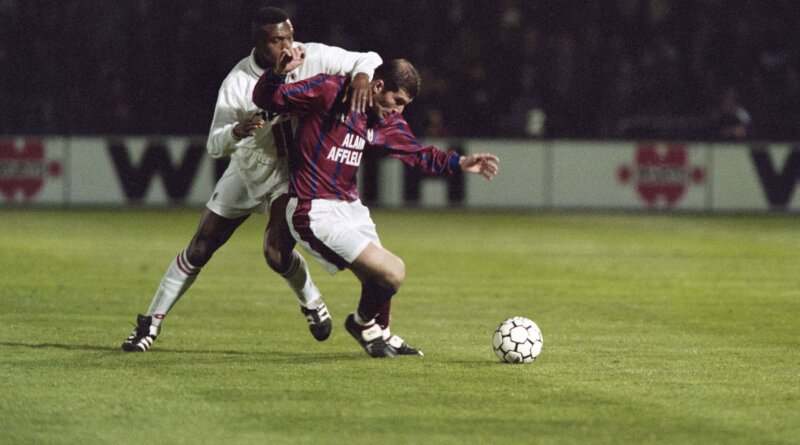
Bordeaux Football Club: A Phoenix Strategy for Revival
Bordeaux football club, once among France’s most decorated institutions, now faces a defining moment in its storied history. The six-time Ligue 1 champions, famed for nurturing talents like Zinedine Zidane, Aurélien Tchouaméni, and Jules Koundé, have fallen to the fourth tier, the Championnat National 2, following years of mismanagement and financial turmoil. Yet, beneath the disappointment lies a unique opportunity for a private equity-fueled resurgence—a textbook phoenix strategy.
Bordeaux Football Club’s Glorious Legacy and Decline
Founded in 1881, Girondins de Bordeaux boasts a legacy few French clubs can match. With a trophy-laden past and one of the country’s most respected youth academies, the club has long been a source of regional pride. However, recent seasons have been fraught with administrative blunders, mounting debts, and declining performances, culminating in relegation to the lower leagues.
Despite setbacks, Bordeaux football club retains invaluable assets: a vibrant 42,000-seat Matmut Atlantique stadium, a loyal fanbase that regularly draws impressive crowds—even in difficult times—and a globally recognized brand. These fundamentals position Bordeaux as an attractive target for private equity investment.
Private Equity and the Phoenix Strategy at Bordeaux Football Club
For investors, Bordeaux football club presents a classic phoenix scenario: a fallen giant with untapped commercial potential and scalable infrastructure. The city of Bordeaux’s international reputation—driven by its famed wine industry and tourism—creates natural synergies for marketing and global fan engagement. This mirrors the revitalization seen at clubs like Venezia F.C., where local culture bolstered international appeal.
Loyal supporters, who have continued to fill the stands and support the club through thick and thin, indicate a resilient revenue base—a key pillar for sustainable growth under private equity ownership. The club’s legacy and brand nostalgia further strengthen its commercial prospects in both domestic and international arenas.
Financial Turnaround and Operational Reset
In June 2025, a critical restructuring plan reduced Bordeaux’s debt from €104 million to €26 million over eleven years, earning approval from 70% of creditors. The resolution of a €20 million stadium dispute has granted Bordeaux full access to the state-of-the-art Matmut Atlantique without additional liabilities, lowering the risk profile and making the club a more enticing acquisition target.
Already, groups like Fenway Sports Group and a consortium led by Oliver Kahn have expressed interest, and the club’s cleaner balance sheet should reignite investor appetite. Private equity firms can now implement strict governance and leverage operational discipline, much like the successful turnaround orchestrated by Elliott Management at A.C. Milan.
Infrastructure and Youth Development at Bordeaux Football Club
Bordeaux football club’s infrastructure remains top-tier. The modern Matmut Atlantique is Ligue 1 and UEFA-compliant, ready for a rapid rise through the divisions. The club’s youth academy, historically a cradle of elite talent, can once again become a revenue generator and talent pipeline given financial stability and targeted investment.
While the training facilities are fundamentally strong, effective restructuring and modern governance are essential. Private equity can focus capital on performance analytics, player development, and commercial expansion rather than costly infrastructure upgrades.
Governance: Why a Full Takeover Is Essential
A decisive factor in any private equity revival will be the need for a majority takeover of Bordeaux football club. Current owner Gérard Lopez, who acquired full control in 2021, has stabilized finances but overseen the club’s dramatic descent. The fanbase, disillusioned by ongoing instability, appears eager for change.
With full control, private equity can overhaul governance, inject professional management, and chart a coherent long-term strategy. This would ensure that lessons are learned from past mistakes and that the rebuild is rooted in tradition, not artificial growth.
The Road Back: Bordeaux and Private Equity’s Shared Ambitions
For private equity firms, Bordeaux football club represents a “buy low, build strong” opportunity. Its reduced market value, improved financial outlook, and world-class infrastructure mean a lower capital outlay is required to engineer a turnaround. By leveraging Bordeaux’s historic brand and commercial potential, investors can target swift promotion back to Ligue 1 and reestablish the club as a national powerhouse.
Moreover, the synergy between the city’s culture and the club’s global reputation offers fertile ground for innovative revenue streams—merchandising, international partnerships, and digital fan engagement.
Opinion: The Phoenix Can Rise Again
In my view, Bordeaux football club is perfectly poised for a phoenix-like resurgence, provided a private equity group takes the reins with a clear vision and operational discipline. The club’s legacy, loyal supporters, and elite infrastructure lay the foundation for a return to success. With strategic investment and good governance, Girondins de Bordeaux can once again become a source of pride for its fans and a formidable force in French football. For supporters longing for Ligue 1 nights at Matmut Atlantique, the wait for a new era might soon be over.
Visit for more news and in-depth football analysis.
Your global gateway to nonstop football coverage:
News Goal
Share this content: