
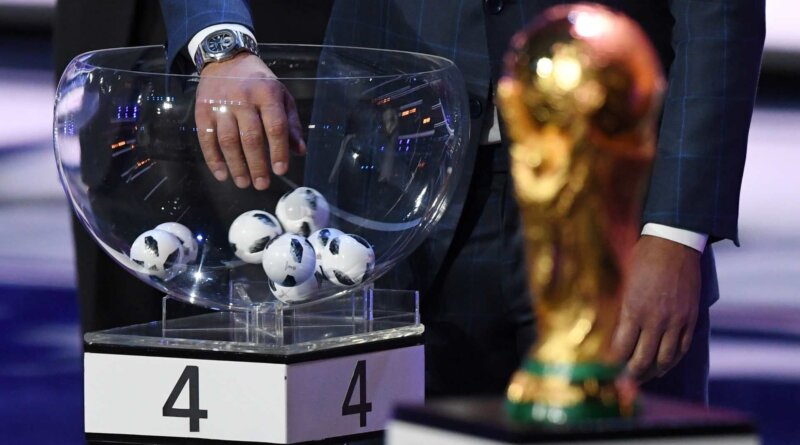
FIFA Announces Wimbledon-Style Seeding for 2026 World Cup
FIFA World Cup 2026 is set to introduce a groundbreaking change to its tournament draw, as FIFA confirms the adoption of a Wimbledon-style seeding system. This significant update aims to ensure that the world’s top-ranked teams, including England, Spain, Argentina, and France, will not face each other until the semifinals, provided they win their respective groups.
Wimbledon-Style Seeding Comes to FIFA World Cup 2026
The decision to implement a Wimbledon-style seeding system for the FIFA World Cup 2026 was confirmed by FIFA earlier this week. Traditionally, the World Cup draw has followed a random pot-based allocation, but this new method, inspired by tennis’ Grand Slam tournaments, is designed to maximize the chances of heavyweight final clashes. The top four ranked teams—Spain, Argentina, France, and England—will be strategically placed on separate paths in the bracket, preventing early face-offs and potentially setting up blockbuster semifinals and a climactic final.
How the New World Cup Seeding System Benefits Top Teams
England, currently ranked fourth in the FIFA World Rankings, stands to benefit significantly from this new approach. Alongside Spain (ranked first), Argentina (second), and France (third), the Three Lions will avoid facing any fellow top-four side until at least the semifinal stage. This mirrors the structure seen at Wimbledon, where the top seeds are placed to ensure the highest-ranked players can only meet in the late stages of the competition.
The seeding system was recently tested at the Club World Cup and is now being rolled out on the biggest stage in international football. According to FIFA’s official statement, this move is intended to create the best possible conditions for all teams and fans, while maintaining competitive balance and maximizing international viewership.
Draw Mechanics and Group Stage Scenarios
Under the new format, the highest-ranked teams—Spain and Argentina—will be drawn into opposite sides of the bracket, with France and England allocated similarly. The draw, set for December 5, will reveal the full group stage layout, while match locations and kick-off times are to be announced the following day.
This system means England, under the leadership of Thomas Tuchel, can focus on navigating their group and the early knockout rounds, with the knowledge that a meeting with France, Spain, or Argentina would only occur in the tournament’s final stages if all progress according to seeding.
Potential Challenges and Criticism of the New Format
While the new seeding concept offers clear benefits for the top-ranked nations, it has sparked debate among smaller footballing nations. Critics argue that the new system favors elite teams, potentially undermining the unpredictable, democratic spirit that the World Cup is known for. However, supporters point out that even top seeds must still win their groups and survive tough knockout rounds, meaning upsets remain very much on the cards.
For England, the draw could see them paired with the likes of Scotland, Norway, Croatia, or Italy (should they qualify via playoffs), but UEFA rules ensure a maximum of two European teams per group. This increases the tactical complexity and excitement for fans eager to see which pathway the Three Lions will navigate.
The Road Ahead: England’s World Cup Ambitions
With less than seven months before the tournament kicks off, anticipation is building. England’s position as the fourth seed highlights the squad’s strength under Tuchel, who has relentlessly pursued the right mix of experience and youth. After decades without a major men’s trophy, England’s fans will be hoping the new seeding system paves the way to another dramatic campaign.
For more in-depth football coverage and the latest updates, visit our homepage for more news as the countdown to World Cup 2026 continues.
Opinion: Will the New Seeding System Deliver?
The introduction of Wimbledon-style seeding to the FIFA World Cup 2026 is a bold move that prioritizes blockbuster late-stage matches and global TV audiences. While some argue that it favors traditional powerhouses, it also brings clarity and heightened excitement to the knockout rounds. The real test will be whether this system maintains the World Cup’s magic of surprise upsets and underdog triumphs. Ultimately, fans are set for a tournament that could deliver classic encounters and a final worthy of football’s grandest stage.
Your global gateway to nonstop football coverage:
News Goal
Share this content: