
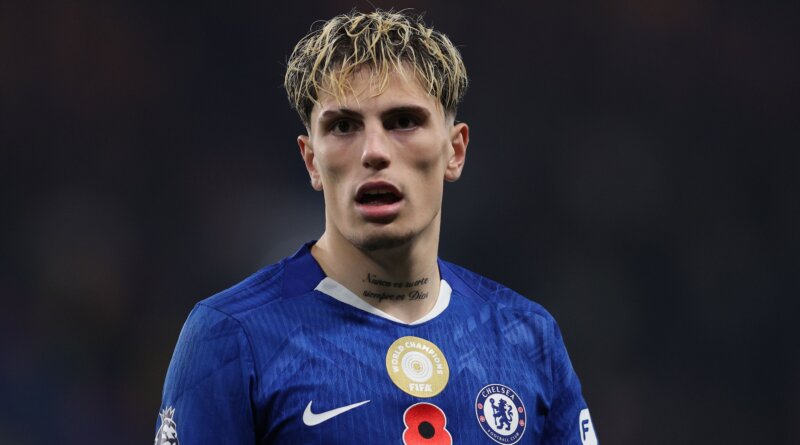
Man Utd Rejected Garnacho-Lavia Swap Over Injury Concerns
Manchester United’s decision to reject a high-profile swap deal involving Alejandro Garnacho and Chelsea’s Romeo Lavia during the 2025 summer transfer window has come under the spotlight, raising questions about strategy, risk, and midfield recruitment at Old Trafford.
Manchester United’s Garnacho-Lavia Swap Decision Explained
Manchester United rejected an approach from Chelsea that would have seen promising midfielder Romeo Lavia move to Old Trafford in exchange for winger Alejandro Garnacho, as reported by ESPN. Despite United’s search for midfield stability, the club opted out of the deal due to Lavia’s persistent injury issues. Instead, United sold Garnacho to Chelsea in a straightforward £40 million cash transfer.
Chelsea, looking to secure Garnacho while easing their wage bill, initially floated a player-plus-cash offer, hoping to tempt United with Lavia’s Premier League pedigree. However, United’s recruitment team, wary of inheriting Lavia’s extensive injury record, declined the swap and prioritized financial certainty.
Impact on Manchester United’s Midfield Plans
United’s midfield has struggled with consistency, exacerbated by Casemiro’s physical decline and the lack of a reliable defensive midfielder. The club recognized the pressing need for a durable and tactically disciplined holding player—one who could anchor manager Ruben Amorim’s system. Lavia, while talented and adept at controlling possession, represented too great an injury risk to address United’s long-term needs.
The decision to pass on Lavia and focus on cash returns from Garnacho’s sale allowed United to keep options open for future recruitment. Targets like Crystal Palace’s Adam Wharton and Brighton’s Carlos Baleba have since emerged as potential successors in the defensive midfield position, as the Red Devils continue to seek a blend of reliability and tactical fit.
How Garnacho and Lavia Have Fared Since the Decision
Alejandro Garnacho initially struggled to adapt at Chelsea. Although he featured regularly early in the campaign, his immediate impact was limited. Recently, however, the Argentine winger has begun to find his form, hinting at the potential Chelsea saw in him.
Romeo Lavia’s time at Chelsea has been blighted by injuries since his £58 million move from Southampton in 2023. A series of setbacks—including hamstring, ankle, and quadriceps injuries—has kept him from completing a full 90-minute match for the Blues. While Chelsea remains hopeful that Lavia’s fitness will stabilize, his limited playing time continues to be a concern, especially given the club’s long-term investment in his talent.
Implications for United’s Transfer Strategy
Manchester United’s refusal to take a medical gamble on Lavia—even amid pressing midfield weaknesses—sheds light on the club’s evolved approach to squad building. Past experiences with injury-prone signings have urged caution, especially when the need for reliable, week-in, week-out starters is critical to competing at the highest level. United’s measured stance supports their ongoing efforts to rebuild under Amorim, focusing on players who combine technical ability with physical robustness.
For more news on United’s transfer strategy and the latest from the Premier League, visit for more news.
What’s Next for Both Clubs?
As the 2025/26 season approaches, United’s recruitment focus remains fixed on finding a specialist holding midfielder capable of restoring balance to the squad. Both Adam Wharton and Carlos Baleba are under consideration as the club seeks a long-term solution.
Chelsea, meanwhile, will keep faith in Lavia’s recovery and development. The Belgian midfielder retains strong support among the Stamford Bridge hierarchy, who remain committed to giving him time to fulfill his promise—provided he can overcome his injury troubles.
Opinion: United’s Calculated Gamble Makes Sense
In hindsight, United’s rejection of the Garnacho-Lavia swap appears prudent. While Lavia’s talent is undeniable, his injury record posed too great a risk for a club already navigating midfield uncertainty. By choosing cash over a risky player exchange, United have preserved both financial flexibility and the ability to pursue a more dependable midfield anchor. In the ruthless environment of modern football, avoiding avoidable medical risks is often as vital as talent acquisition.
Your global gateway to nonstop football coverage:
News Goal
Share this content: