
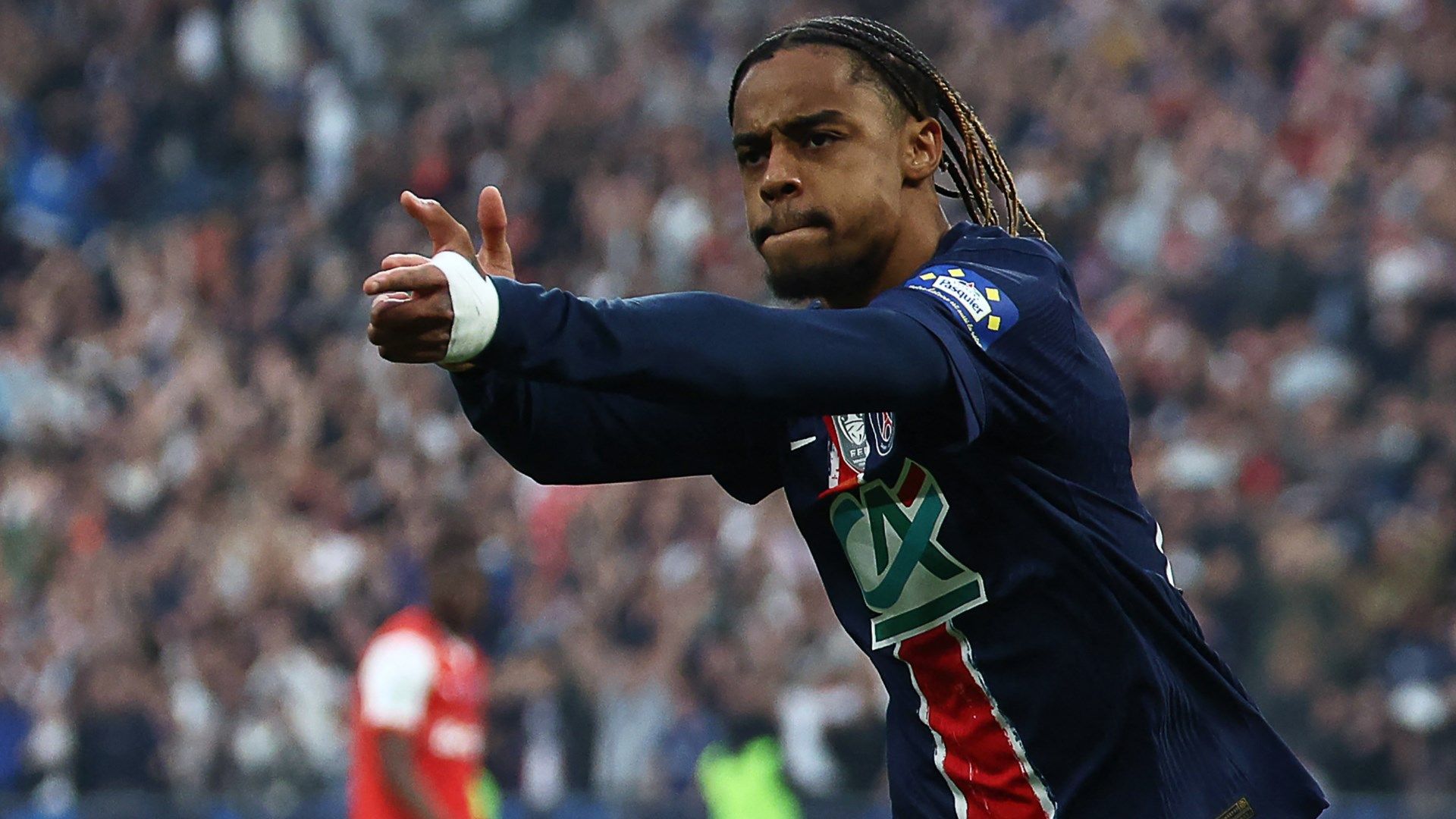
Barcola Payment a Hollow Gesture by PSG
The Bradley Barcola payment saga has cast a stark light on the growing financial chasm in French football, with Paris Saint-Germain extending an offer that, while appearing benevolent on the surface, ultimately provides no relief to their struggling rivals, Olympique Lyonnais. In a gesture of supposed solidarity, the Parisian giants offered to pay the outstanding installments on the €45 million transfer fee for the young winger ahead of schedule. However, due to modern financial mechanisms now commonplace in football, this seemingly helpful act is little more than a symbolic one, with the funds destined for a bank’s coffers rather than Lyon’s operational budget.
This situation highlights the precipitous fall of Lyon, a club that dominated French football in the 2000s and was a perennial Champions League contender. Their recent relegation to Ligue 2, coupled with severe financial sanctions from the DNCG (France’s football financial watchdog), paints a grim picture of a giant brought to its knees. The offer from their once-fierce rival only serves to underscore the brutal reality of their current predicament.
## The Futile Gesture: Unpacking the Bradley Barcola Payment Offer
When Bradley Barcola made his high-profile move from his boyhood club Lyon to PSG last summer, the deal was structured, as most significant transfers are, in installments. This allows the buying club to manage their cash flow while the selling club has a guaranteed future income stream. PSG’s recent proposal was to accelerate these future payments, settling the entire outstanding debt at once. For a club like Lyon, teetering on the edge of financial collapse, an immediate cash injection would seem like a lifeline.
However, the complexities of football finance render this gesture moot. The core issue lies in a common practice known as “factoring.” Desperate for immediate working capital to cover wages, operational costs, and their own transfer obligations, Lyon had already sold their right to receive PSG’s future payments to a third-party financial institution, likely a bank. In this arrangement, the bank pays the club a large percentage of the future fee upfront, minus a service charge or interest. The bank then assumes the right to collect the installment payments directly from the buying club (PSG) when they become due.
Therefore, PSG’s early payment would not go to Lyon. Instead, it would be sent directly to the financial institution that advanced Lyon the money. While it settles the debt on the books, it does not provide Lyon with any new, usable cash. The club has already received and likely spent the advanced funds. PSG’s offer merely allows the bank to recoup its investment sooner than anticipated, offering no tangible benefit to Lyon’s present crisis.
## Lyon’s Financial Freefall: From Ligue 1 Giants to Ligue 2
To understand why Lyon is in this position, one must look back at a series of missteps both on and off the pitch. For years, under the stewardship of Jean-Michel Aulas, Lyon was a model of sustainable success, built on a world-class academy and shrewd transfer dealings. However, in recent years, mounting stadium debt, questionable recruitment, and a failure to consistently qualify for the lucrative Champions League began to erode their financial foundations.
The takeover by American businessman John Textor’s Eagle Football Holdings promised a new era, but it has been fraught with challenges. The DNCG has come down hard on the club, imposing transfer restrictions and scrutinizing its budget, citing concerns over its financial viability. This culminated in their shocking relegation, a blow that strips them of significant television revenue and prestige. Selling academy jewels like Barcola and Castello Lukeba was not a strategic choice but a financial necessity to appease regulators and stay afloat. The fact that they had to factor the Bradley Barcola payment fee underscores the depth of their cash flow problems.
### What is Transfer Fee Factoring?
Factoring is not a new concept in business, but its prevalence in football has grown as financial pressures mount. It is essentially a form of invoice financing.
* **The Agreement:** A selling club (Lyon) agrees on a transfer fee with a buying club (PSG), with payments spread over several years.
* **The Need for Cash:** The selling club needs money immediately to run the club.
* **The Third Party:** The club approaches a bank or
Your global gateway to nonstop football coverage:
News Goal
Share this content: