
Ronaldinho’s Dancing Goal: Barcelona’s Iconic Champions League Moment
Ronaldinho’s Dancing Goal Shines in Champions League History
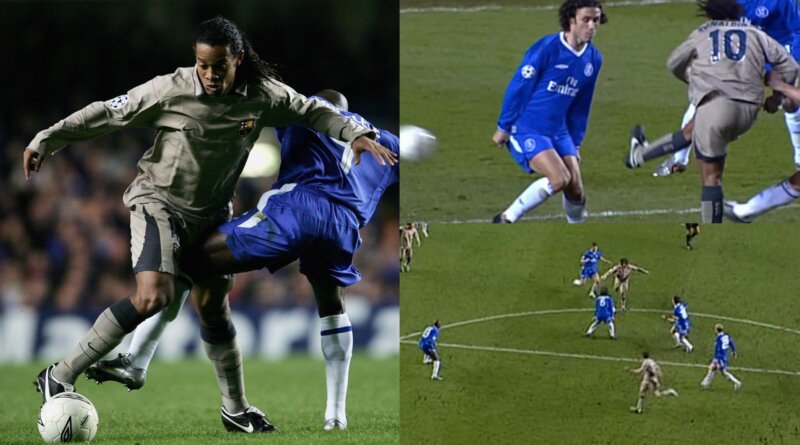
Ronaldinho’s dancing goal against Chelsea in the Champions League remains one of the most unforgettable moments in football history. On March 8, 2005, during a last-16 second leg at Stamford Bridge, the Brazilian maestro produced a moment of magic that still dazzles fans and pundits alike, even decades later.
The Build-Up: Barcelona’s Challenge at Stamford Bridge
Barcelona, led by coach Frank Rijkaard, entered the second leg brimming with confidence, sporting their gold kits after seizing a 2-1 win at Camp Nou. However, the night began disastrously for the Spanish giants. Chelsea, under Jose Mourinho, roared into a commanding 3-0 lead within 20 minutes thanks to goals from Eidur Gudjohnsen, Frank Lampard, and Damien Duff. With the aggregate now 4-2 in Chelsea’s favor, Barcelona needed inspiration.
Ronaldinho’s Moment of Genius
That inspiration came in the form of Ronaldinho. After calmly converting a penalty past Petr Cech, he received the ball from Andres Iniesta at the edge of the penalty area. Surrounded by Chelsea defenders and with little room to maneuver, Ronaldinho delivered an audacious move—he shimmied his legs, swiveled his hips, and then toe-poked the ball precisely into the bottom left corner. The sheer spontaneity and flair left Cech rooted and the Stamford Bridge crowd stunned.
Legacy of the Dancing Goal
The Guardian called it “an astonishingly good goal,” while the BBC praised its “dazzling brilliance.” Even Chelsea’s official website has questioned whether it was the greatest goal ever scored against them in the Champions League. Petr Cech himself cited the unpredictability and quick execution of Ronaldinho’s toe poke as impossible to stop: “The best players always find a solution to find a bit of space to get the shot away.”
The Aftermath: Chelsea Progress, Ronaldinho’s Magic Endures
Despite Ronaldinho’s brilliance, Chelsea ultimately prevailed. John Terry’s late header secured a 4-2 win (5-4 on aggregate) for the Blues, who went on to defeat Bayern Munich in the quarter-finals before bowing out to Liverpool—who produced their own legendary comeback that year—at the semi-final stage.
Star-Studded Lineups on a Night to Remember
Both teams were packed with talent. Chelsea’s starting XI included Petr Cech, John Terry, Ricardo Carvalho, Claude Makelele, and Frank Lampard. Barcelona fielded Victor Valdes, Carles Puyol, Xavi, Deco, Samuel Eto’o, and a young Andres Iniesta. Frank Lampard was the closest to Ronaldinho when the Brazilian conjured his masterpiece, while Mateja Kezman led the Chelsea line in Didier Drogba’s absence.
Why Ronaldinho’s Dancing Goal Still Captivates
What set Ronaldinho’s dancing goal apart was its joyful creativity. In his own words, football is about freedom and fun—sentiments he lived out on the pitch. Former Chelsea winger Damien Duff later admitted, “Ronaldinho showed us all up with his amazing performance.” That a conceded goal overshadows a famous Chelsea victory speaks volumes about its impact.
Enduring Memories and Football’s Limitless Artistry
Almost 20 years on, Ronaldinho’s dancing goal remains a highlight in Champions League folklore. The moment showcased pure football artistry—improvised, instinctive, and delivered with a smile. Petr Cech, widely regarded as one of the greatest goalkeepers, continues to be asked about that night, a testament to the goal’s lasting significance.
For more news and legendary football moments, visit for more news.
Opinion: Ronaldinho’s Genius Is Football’s True Joy
Ronaldinho’s dancing goal transcends team loyalties and results. It’s a reminder that football, at its best, is about moments of magic and unbridled joy. While Chelsea advanced, it’s Ronaldinho’s toe-poke that endures in the hearts and memories of football fans worldwide. His artistry reminds us why we love the game—sometimes, even a loss can feel like history’s greatest win.
Your global gateway to nonstop football coverage:
News Goal
Share this content: