
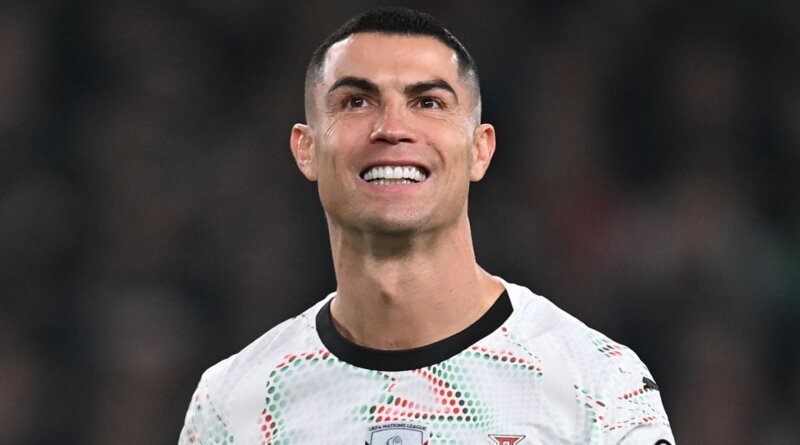
Ronaldo Ban Controversy Sparks Outrage Over FIFA Decision
Cristiano Ronaldo ban debate has erupted following FIFA’s contentious decision to reduce the Portuguese star’s suspension for his red card against the Republic of Ireland. The ruling, which allows Ronaldo to feature in Portugal’s World Cup opener, has ignited accusations of rule-bending and favoritism, shaking trust in the game’s disciplinary standards.
Cristiano Ronaldo Ban Reduced: FIFA Faces Backlash
Cristiano Ronaldo’s ban, originally expected to sideline him for multiple matches due to violent conduct, was reduced to a one-game suspension with an additional two matches suspended for a year. This decision stemmed from Ronaldo’s red card for elbowing Dara O’Shea off the ball during a heated qualifier. VAR intervention upgraded his yellow card to a straight red, fueling expectations of a minimum two- or three-match ban in line with historical disciplinary precedents.
However, FIFA’s disciplinary committee cited Ronaldo’s previously clean international record in deciding on a more lenient punishment. This unexpected move has led to widespread criticism, with many fans and pundits accusing FIFA of inconsistency and prioritizing commercial interests over sporting integrity.
Social Media Erupts Over Ronaldo Ban Decision
The Cristiano Ronaldo ban controversy quickly became a trending topic on X (formerly Twitter), where fans voiced their frustration. Many argued that if a less renowned player had committed the same offense, the punishment would have been much harsher. One user lamented, “Makes a mockery of the game,” while another accused FIFA of bending rules to ensure Ronaldo’s presence in the World Cup—a move interpreted as financially motivated.
Some supporters sarcastically suggested that Portugal might be hindered by Ronaldo’s presence, given their impressive 9-1 victory over Armenia in his absence. Others questioned whether FIFA’s disciplinary process is truly impartial, or if high-profile stars receive preferential treatment.
Ronaldo’s Red Card: The Incident and Aftermath
The incident occurred during a tense match in Dublin, where Portugal trailed 2-0. Ronaldo, in a moment of frustration, swung his elbow into O’Shea’s back off the ball—an act VAR quickly deemed violent conduct. His reaction, ironically applauding the home crowd, only intensified the hostile atmosphere.
Given the seriousness of the offense and Ronaldo’s status, many expected FIFA to set a strong example, especially since similar or lesser actions by other players have often resulted in lengthy bans. Instead, the committee’s leniency, attributed to his spotless international disciplinary history, raised concerns about transparency and fairness.
Cristiano Ronaldo Ban Highlights FIFA’s Disciplinary Double Standards
The decision to let Ronaldo play Portugal’s World Cup opener has led to broader debates about FIFA’s consistency in enforcing disciplinary measures. Critics argue that the ruling sets a dangerous precedent, suggesting that star players may receive more favorable treatment than their less famous peers.
For Portugal, the ruling is a relief as manager Roberto Martínez can count on his captain’s experience from the very start of the tournament. However, the suspended two-match ban still looms, meaning any similar incident in the next year could see Ronaldo sidelined for critical games.
Implications for Portugal’s World Cup Campaign
With Ronaldo available, Portugal enters the 2026 World Cup at full strength, aiming to build on recent successes. Still, controversy around the Cristiano Ronaldo ban could overshadow their preparations and place additional pressure on the veteran forward to maintain discipline on football’s biggest stage.
Opinion: Consistency Is Key in Football Justice
FIFA’s handling of the Cristiano Ronaldo ban highlights the need for transparent and consistent disciplinary procedures. While Ronaldo’s clean record deserves consideration, the nature of the offense called for a response that would uphold fairness for all players. Allowing exceptions for star power undermines trust in the sport’s governing bodies and risks damaging football’s global reputation. Ultimately, fans and players alike deserve a game where rules apply equally, regardless of fame. For more news, analysis, and updates on the world of football, visit for more news.
Your global gateway to nonstop football coverage:
News Goal
Share this content: