
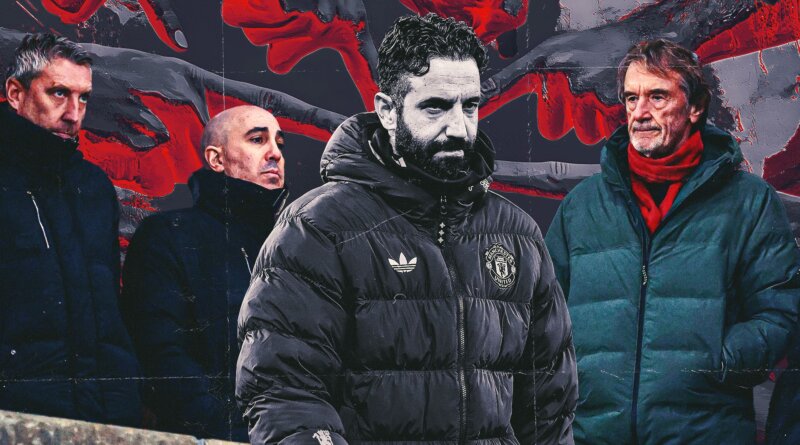
Ruben Amorim’s Manchester United Exit: Where It All Went Wrong
Ruben Amorim’s Manchester United tenure ended in disappointment, with the manager’s own dogmatic approach and lackluster results ultimately leading to his downfall, rather than any dramatic boardroom intrigue.
Ruben Amorim’s Dogmatic Approach Unravels at Old Trafford
Ruben Amorim arrived at Manchester United with the promise of tactical innovation and fresh ideas. However, his unwavering commitment to a rigid system, primarily his favored 3-4-2-1 formation, quickly became a point of contention. Despite early optimism, this tactical inflexibility proved costly, as United’s performances stagnated and on-pitch results declined. Calls from within the club to adapt and experiment went largely unheeded, creating friction with both sporting director Jason Wilcox and several key figures behind the scenes.
Press Conference Drama Precedes Swift Dismissal
The cracks in Amorim’s relationship with the club were laid bare during a tense post-match press conference after a frustrating draw at Leeds United. He openly questioned the board’s support, stating, “I came here to be the manager of Manchester United, not just the coach.” His remarks, which aired internal frustrations, signaled a breakdown in trust. Within less than a day, Manchester United acted decisively, parting ways with Amorim after just 14 months in charge.
Lost Support and Dismal Results Mark the End
Despite the board’s initial patience—bolstered by comparisons to long-term projects like Mikel Arteta at Arsenal—Amorim struggled to turn around Manchester United’s fortunes. The club endured its lowest league finish in over half a century and missed out on European qualification, an unthinkable scenario for the Red Devils. In total, Amorim recorded only 24 wins from 63 matches, a win percentage of just 38.7%. This figure stands out as the worst in the post-Sir Alex Ferguson era, even trailing David Moyes’ short-lived stint.
Manchester United Backing Fails to Deliver Returns
It’s difficult to accuse the club’s hierarchy of not supporting Amorim. Upon arrival, he was granted significant influence over squad decisions, including the high-profile departure of Marcus Rashford. Over £216 million was spent on new signings, such as Matheus Cunha, Bryan Mbeumo, Senne Lammens, and the marquee arrival of Benjamin Sesko. Despite a major overhaul and fewer fixtures due to a lack of European football, United failed to capitalize, languishing sixth in the Premier League after 20 games, with every team above them balancing European commitments.
Home Struggles and Academy Neglect Under Amorim
Apart from lackluster league results, Manchester United’s home form faltered significantly, taking just six points from the last five matches at Old Trafford and suffering embarrassing losses to struggling sides. Amorim’s management style also drew criticism for marginalizing academy prospects, including Rashford and Alejandro Garnacho, and for dismissive remarks about homegrown players. This disregard for United’s storied youth tradition further eroded his support among fans and former club legends.
Amorim’s Public Criticism Backfires
High-profile comments undermining his players—such as favoring a veteran goalkeeping coach over Rashford and labeling the squad “maybe the worst in Manchester United history”—soured dressing room morale. Senior players, including Christian Eriksen, voiced discontent over the manager’s public outbursts, which only increased pressure on an already struggling squad.
Board’s Patience Runs Out
While Amorim initially survived thanks to the board’s faith, his public airing of grievances proved to be a step too far. Despite significant investment and trust, results on the pitch and his strained relationships left Manchester United with little choice. The final straw was Amorim’s pointed criticism of the club’s hierarchy, leading to his swift dismissal.
Opinion: Lessons for Manchester United Moving Forward
Ruben Amorim’s tenure at Manchester United serves as a cautionary tale about the dangers of inflexibility and public dissent within a football club. While innovation and a strong tactical identity are important, the Premier League demands adaptability and a willingness to evolve. Amorim’s undoing stemmed not from board betrayal, but from an inability to compromise and foster unity. As United look to the future, prioritizing a collaborative culture and tactical flexibility will be crucial to restoring former glories. For more news, visit for more news.
Your global gateway to nonstop football coverage:
News Goal
Share this content: