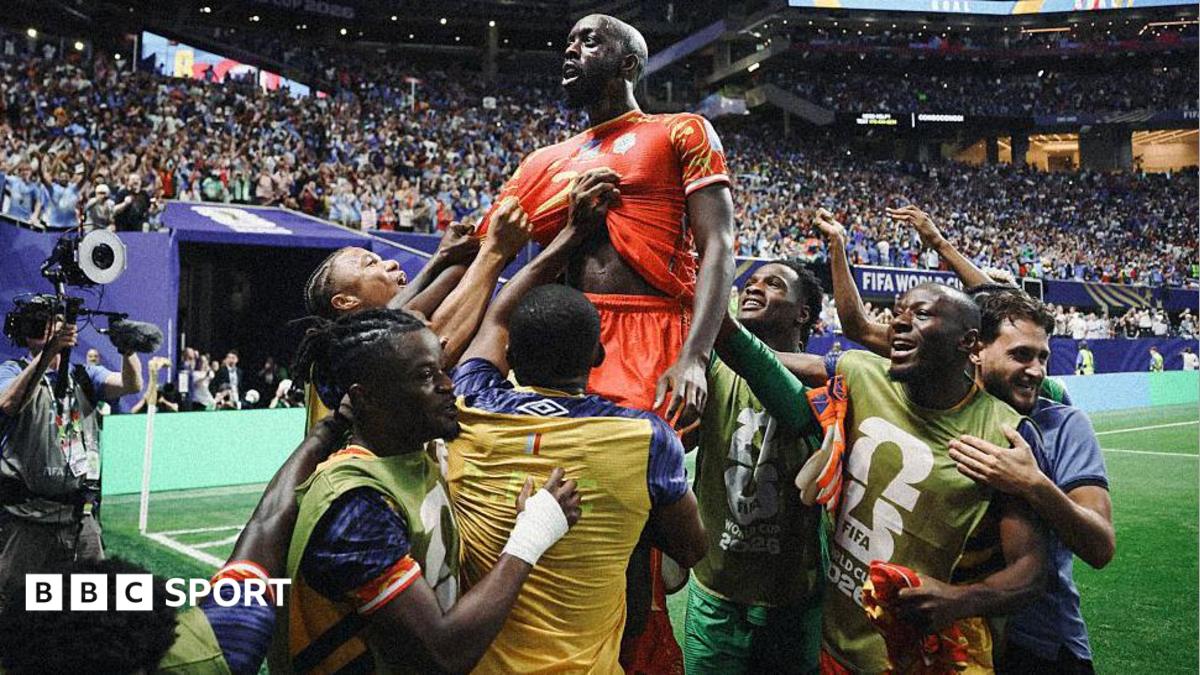
Africa’s recent World Cup trajectory has become one of the most significant shifts in the international game. According to BBC Sport, the continent’s rise on football’s biggest stage has been described as meteoric, and that framing matters because it reflects more than a single tournament cycle. It points to a broader change in how African teams are being judged, prepared and respected at elite level.
For supporters across Africa, this is about more than symbolic progress. It is about seeing national teams compete with greater consistency, tactical maturity and belief against opponents that once seemed structurally superior. That evolution has altered expectations, not only for qualification but for performance once the tournament begins. The World Cup is no longer just a place where African sides hope to participate; it is increasingly a stage where they expect to compete.
Why Africa’s progress matters beyond the continent
The BBC’s framing also highlights a wider football truth: when one region makes a clear leap forward, it forces others to reassess their own development pathways. Africa’s improvement at World Cups has become a reference point for the rest of the global game, especially for confederations that have long been measured by the same standards of depth, consistency and knockout-stage impact.
That is where Asia enters the conversation. The article suggests that Africa’s success leaves Asia looking for answers, and that is a meaningful observation in the context of international football development. It implies a gap not just in results, but in the ability to translate domestic growth, talent production and tactical evolution into sustained World Cup progress.
For Asian football, the challenge is not simply to qualify more often. It is to build teams capable of matching the intensity, adaptability and resilience now associated with the continent’s leading African sides. That means stronger player pathways, more competitive preparation and a clearer identity on the pitch when the margins become smallest.
What this means for the global game
The significance of Africa’s rise is that it changes the conversation around football power. The old assumptions about which regions can influence the World Cup are being tested. As African teams continue to raise their level, the pressure increases on other confederations to respond with their own progress rather than rely on historical reputation.
For readers and supporters, the story is a reminder that the World Cup is becoming more competitive and less predictable. That is good for the tournament and good for the sport. Africa’s ascent adds depth to the competition, while Asia’s response will help determine whether the next phase of international football is defined by convergence or by a widening gap between regions.
Source note: This article was prepared using publicly available information from BBC Sport and expanded with editorial context.
Share this content: