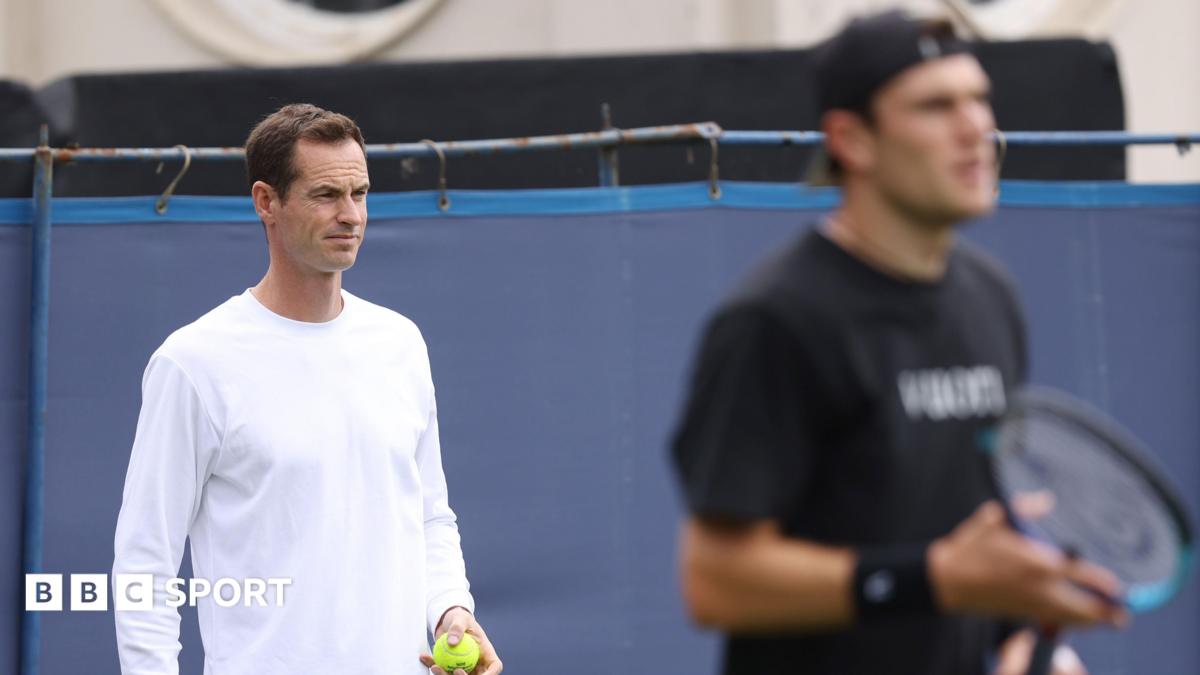
Andy Murray’s presence in the Centre Court coaching box is a reminder that some of tennis’ biggest names do not disappear when their playing careers slow down. They simply re-enter the sport in different roles, and Murray’s latest appearance has naturally prompted fresh discussion about whether he could one day follow a path similar to other modern champions who have moved into mentoring, media or broader tennis work after retirement.
A familiar face in a new role
The BBC’s reporting makes clear that Murray has already been in the Centre Court coaching box once before, which is enough to underline how closely his post-playing life is being watched. For supporters, especially those who followed his long career at Wimbledon, any sight of Murray around the tournament carries extra weight. He is not just a former champion; he is one of the defining British players of the era, and his involvement in any capacity immediately becomes part of the wider conversation about the future of the sport.
That matters because coaching at the top level is not simply about technical knowledge. It is about trust, communication and the ability to translate elite experience into practical advice under pressure. Murray’s career gives him obvious credibility in that respect. He has lived through the demands of Grand Slam tennis, the physical strain of long seasons and the mental load of competing on the sport’s biggest stages. Those are qualities that can make a former player valuable in a coaching environment, even if the transition is not always straightforward.
Would Murray follow a Serena-style path?
The BBC’s framing also asks whether Murray would ever do a Serena, a reference that invites comparison with the different ways all-time greats can remain connected to tennis after their playing days. Serena Williams has become a symbol of how a champion can shape the sport’s culture and public conversation beyond match results. Murray’s route may be different, but the underlying question is similar: does he want a visible, hands-on role in tennis, or is he more likely to keep a distance from the daily grind of coaching?
For Wimbledon followers, the answer matters because Murray’s influence still carries real commercial and emotional value. His name draws attention, but his presence also helps bridge generations of British tennis support. Younger fans know him as a major champion; older supporters remember the long road from promise to success; and both groups understand that his relationship with the sport is still evolving.
At this stage, the source does not suggest a definitive long-term move, and that is important. The story is less about a confirmed coaching appointment than about the possibilities that open once a player of Murray’s stature begins to reappear in the sport’s most visible spaces. Whether he becomes a regular voice in the coaching box or simply remains a respected presence around tennis, his return is a sign that his influence is not ending with retirement.
For fans, that is the real takeaway: Murray’s next chapter may not be written in match wins, but it could still shape how British tennis is seen, discussed and supported in the years ahead.
Source note: This article was prepared using publicly available information from BBC Sport and expanded with editorial context.
Share this content: