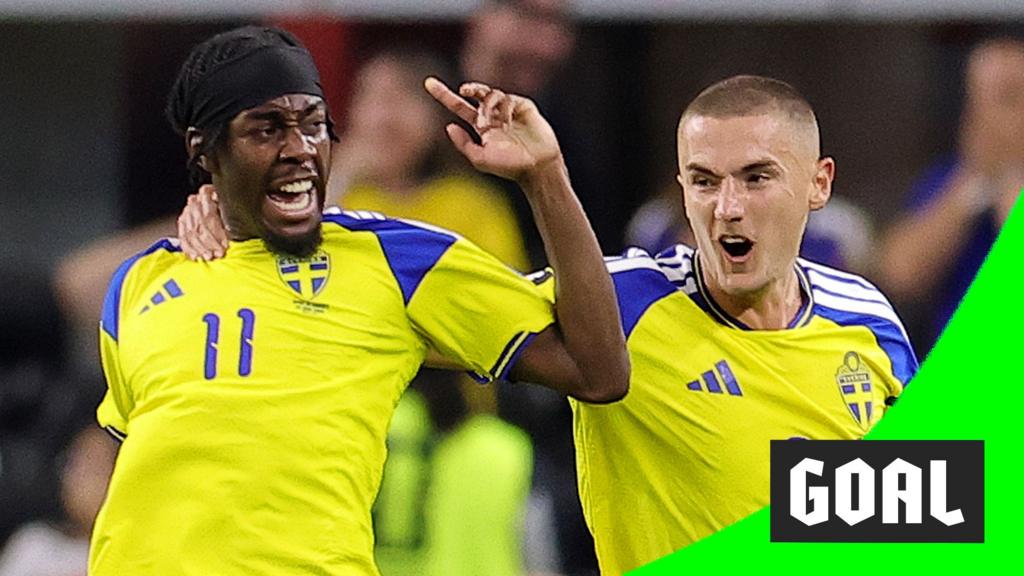
Anthony Elanga’s name is increasingly associated with moments that change games, and his curling strike against Japan in FIFA World Cup Group F action was exactly that kind of intervention. From the edge of the area, the Sweden forward produced a finish that levelled the contest and gave his side a crucial lift at Dallas Stadium.
For Sweden, goals of that quality matter for more than the scoreboard. In tournament football, where margins are tight and momentum can swing quickly, a player who can create something from a half-chance is often the difference between chasing a result and controlling the emotional rhythm of a match. Elanga’s effort did not just restore parity; it also reminded supporters why direct, confident wide players are so valuable in international competition.
Why Elanga’s goal mattered
The strike was notable not only for its technique but for its timing. Sweden needed a response, and Elanga delivered one with the kind of clean contact and bend that leaves goalkeepers with little room to react. A goal from outside the box also changes the tactical picture: it forces defenders to step out, opens space between the lines, and can make a compact opponent less comfortable sitting deep.
That is especially relevant in a match against Japan, a team often associated with organisation, intensity, and disciplined defensive structure. When a side like Sweden can break that shape with a moment of individual quality, it can alter the rest of the contest by stretching the pitch and creating more room for runners and supporting midfielders.
What it means for Sweden supporters
For Sweden fans, Elanga’s equaliser offered both relief and encouragement. Tournament matches can feel unforgiving when a team falls behind or struggles to find rhythm, but a goal like this can reset belief almost instantly. It also strengthens the case for players who bring pace, confidence, and the willingness to shoot from distance when space is limited.
Elanga’s contribution fits the profile of a modern attacking winger: direct, technically secure, and capable of producing decisive moments without needing a long spell of possession. For Sweden, that kind of profile is especially useful in World Cup football, where games are often decided by one flash of quality rather than sustained dominance.
While the BBC clip focuses on the goal itself, the wider significance is clear. Sweden gained a timely equaliser, Japan were forced to respond, and Elanga added another memorable entry to his growing highlight reel. In a tournament setting, those are the moments that can shape group momentum and, ultimately, qualification hopes.
For supporters, the takeaway is simple: Sweden have a player who can produce something special when the game demands it. In a tightly contested Group F match, that is exactly the kind of edge teams need.
Source note: This article was prepared using publicly available information from BBC Sport and expanded with editorial context.
Share this content: