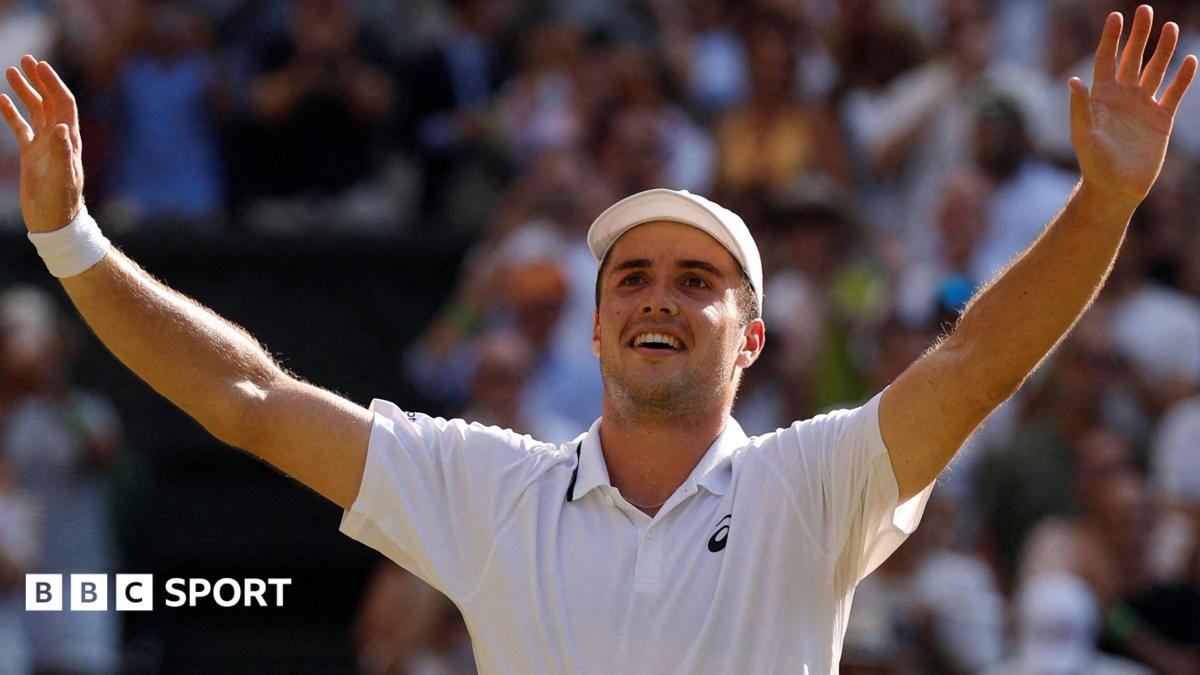
Arthur Fery’s surprise run to a Wimbledon semi-final is the kind of storyline that gives the Championships their enduring appeal. In a tournament where rankings, reputation and expectation usually shape the conversation, Fery has forced attention elsewhere: on decision-making, composure and the mental edge required to keep winning when the odds are against you.
The BBC’s framing of the run around “good tennis IQ” and “inner belief” is telling. Those are not flashy qualities, but they are often the ones that separate a promising player from a genuine breakthrough at a Grand Slam. Wimbledon, in particular, rewards clarity under pressure. Grass can expose hesitation quickly, and matches can turn on a handful of points, so players who read patterns well and stay calm tend to punch above their weight.
Why this run matters at Wimbledon
For supporters, a run like this matters because it changes the emotional temperature of the tournament. Wimbledon is usually dominated by established names, but an unexpected semi-finalist creates a fresh narrative and a new point of connection for fans looking for a homegrown or underdog story. It also reminds the wider tennis audience that form at a major is not always linear; confidence can snowball fast once a player finds the right rhythm.
From a tactical perspective, the mention of tennis IQ suggests Fery has been making smart choices in key moments rather than simply overpowering opponents. On grass, that can mean serving with purpose, taking the ball early, varying pace and avoiding the kind of extended exchanges that allow more experienced or higher-ranked players to settle. Even without a full match-by-match breakdown in the source, the implication is clear: this has been a run built on problem-solving as much as shot-making.
What supporters should take from the story
There is also a broader lesson here about belief. In tennis, confidence is not just a by-product of results; it is often the engine behind them. A player who believes he belongs on the stage is more likely to compete freely, recover from setbacks and keep taking the right risks. That is especially important at Wimbledon, where the atmosphere can magnify both nerves and momentum.
For Fery, the semi-final run is already significant because it places him in a conversation few would have predicted at the start of the event. Whether it becomes a springboard to a longer-term rise will depend on what comes next, but the immediate takeaway is simple: this is a performance that has been built on intelligence, resilience and the ability to handle the occasion.
In a sport that often rewards the obvious favourites, Wimbledon continues to prove that there is room for the unexpected. Fery’s progress is a reminder that belief and tactical discipline can still produce one of the tournament’s most compelling stories.
Source note: This article was prepared using publicly available information from BBC Sport and expanded with editorial context.
Share this content: