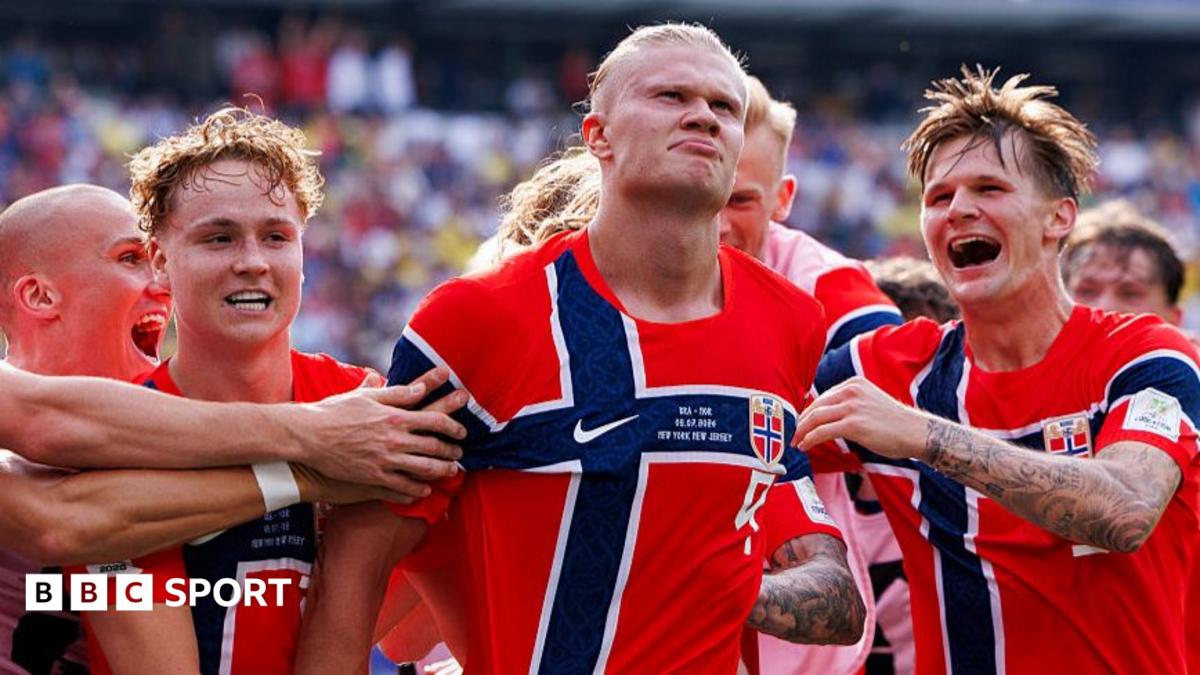
Norway’s recent football rise is being presented as something bigger than the usual superstar narrative. Erling Haaland may be the most recognisable name in the country’s modern game, but the broader story is about how a nation with a population close to Scotland’s has managed to build the foundations of a genuine football powerhouse.
That matters because international success is rarely the product of one elite forward alone. When a country begins to produce talent at scale, it usually points to something deeper: better coaching, stronger development pathways, and an environment that allows more players to reach high levels consistently. Norway’s case is being framed through exactly that lens, with artificial turf and a coaching revolution highlighted as important parts of the picture.
Why Norway’s model matters
For supporters, the significance is clear. A national team that can lean on more than one match-winner becomes harder to contain in tournament football, where margins are thin and tactical discipline matters. If Norway’s progress is built on a wider base of players rather than a single generational striker, then the team’s ceiling rises even further.
Artificial turf has long been a talking point in Nordic football because it changes how young players train and how often they can play through difficult weather conditions. Combined with a coaching structure that appears to have evolved, that kind of environment can accelerate technical development and help produce players who are comfortable in modern, high-tempo football.
Beyond Haaland: the wider implication
Haaland remains central to any discussion of Norway, but the BBC’s framing suggests the national setup deserves credit for creating conditions in which more talent can emerge. That is important for a country of Norway’s size, because depth is often the difference between being a promising side and becoming a consistent tournament force.
For rival nations, Norway’s rise is a reminder that football development is not only about money or population size. It is about systems, coaching, and the ability to turn participation into elite production. For Norway’s supporters, that is the most encouraging part of all: the sense that this is not a brief spike, but the result of a football culture that has been built to last.
As the World Cup conversation continues, Norway’s story offers a useful counterpoint to the idea that one superstar can explain everything. Haaland may lead the headlines, but the structure behind him may be what gives Norway its real staying power.
Source note: This article was prepared using publicly available information from BBC Sport and expanded with editorial context.
Share this content: