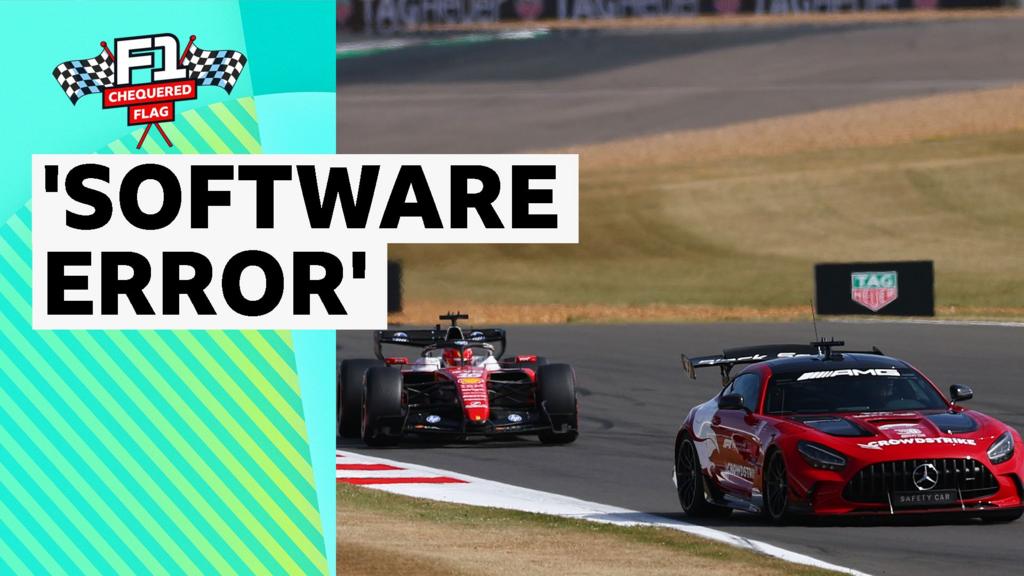
A BBC Sport Formula 1 video has put the spotlight on a late-race software error that caused confusion at the end of the British Grand Prix, with viewers and participants briefly led to expect one final lap after a safety car period. While the clip is short on detail, the issue itself is significant because race-ending procedures in Formula 1 rely on precision, timing and clear communication.
For supporters, moments like this matter because they shape how a Grand Prix is remembered. A race can be decided by strategy, tyre management or a safety car deployment, but confusion over the final lap risks overshadowing the sporting contest. In a championship where margins are already tiny, any technical failure in race control naturally draws attention.
Why the error matters in Formula 1
Formula 1 is built around tightly controlled systems, and a software mistake at the end of a race can have consequences beyond simple confusion. Teams need to know exactly when the race is ending so they can react to track position, pit strategy and final-lap opportunities. Drivers, meanwhile, depend on accurate signals from race control to understand whether they should defend, attack or manage the car to the flag.
The BBC discussion, featuring Rosanna Tenant, Harry Benjamin and Damon Hill, suggests the incident was notable enough to prompt immediate analysis rather than being treated as a minor administrative slip. That matters because race control errors can quickly become a talking point about the reliability of the sport’s systems, especially when they occur in a high-profile event such as the British Grand Prix.
What it means for teams and fans
For teams, the key concern is clarity. A late safety car already compresses the field and changes the tactical picture; if software then creates uncertainty over whether there will be another lap, the competitive balance becomes harder to read in real time. That can affect radio calls, driver decisions and the final classification narrative.
For fans, the frustration is obvious. The closing stages of a Grand Prix are often the most dramatic part of the weekend, and supporters expect the finish to be decided by the action on track rather than by a technical glitch. BBC Sport’s coverage indicates that this was not just a routine broadcast note, but a moment that left enough of an impression to warrant wider discussion on the Chequered Flag podcast.
Even without a full race-control breakdown in the source material, the broader implication is clear: Formula 1’s credibility depends not only on the speed of the cars, but also on the accuracy of the systems that govern the race. When those systems fail, even briefly, the sport risks turning a dramatic finish into a debate about process.
BBC listeners can hear the discussion on the Chequered Flag podcast on BBC Sounds.
Source note: This article was prepared using publicly available information from BBC Sport and expanded with editorial context.
Share this content: