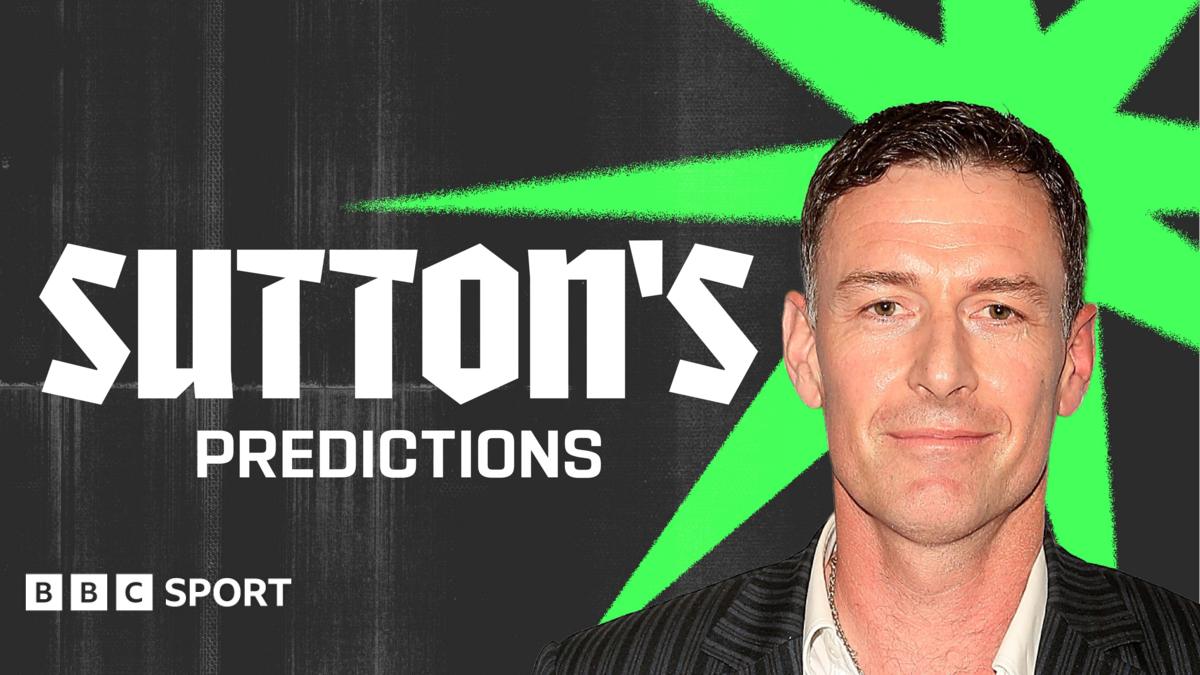
Chris Sutton’s latest World Cup predictions offer an early glimpse of how one experienced football voice sees the 2026 tournament unfolding, with Spain and Argentina framed as the teams most likely to meet in the final. For supporters, that is a reminder that even before the competition begins, the conversation is already being shaped by the contrast between control and chaos, two themes that often define major international tournaments.
The BBC Sport piece is built around Sutton’s final and third-place calls rather than hard tournament analysis, but the broader significance is clear. Spain and Argentina are two of the most recognisable footballing identities in the modern game, and any prediction that places them at the centre of a World Cup debate immediately carries weight with fans. It also reflects how international football is often judged not just by talent, but by the ability to manage pressure, momentum and knockout-stage variance.
What Sutton’s prediction says about the tournament
At this stage, the 2026 World Cup is still a long way from kick-off, so any forecast should be treated as opinion rather than certainty. Even so, Sutton’s choice of finalists points to the kind of teams that tend to be trusted in major competitions: sides with technical quality, tactical discipline and enough tournament experience to survive the later rounds. That matters because World Cups are rarely won by the most exciting team alone; they are usually won by the one that balances control with resilience.
For Spain, the appeal is obvious. They are traditionally associated with possession-based football, patience in build-up play and a strong emphasis on structure. Argentina, meanwhile, bring a different kind of authority: competitive edge, emotional intensity and a proven ability to handle decisive moments. Put together, those traits make for a classic final on paper, and that is likely why Sutton’s prediction will resonate with viewers who expect the 2026 event to be shaped by elite-level detail rather than pure unpredictability.
Why supporters will care now
Although the tournament is still some time away, early predictions help frame the narrative that fans will follow over the next cycle. They create talking points around which nations are seen as contenders, which teams might peak at the right time, and how the balance of power in international football is shifting. For neutral supporters, that is part of the appeal: the World Cup is not only about the matches themselves, but about the arguments, expectations and rivalries that build before the first whistle.
The BBC’s reference to a separate feature on the World Cup’s greatest scorer also underlines how the competition continues to generate stories that stretch beyond one edition. Sutton’s predictions sit within that wider tradition of World Cup debate, where legacy, reputation and current form all collide. Whether the final eventually brings Spain, Argentina or another nation into the spotlight, the early discussion shows that the 2026 tournament is already being viewed through the lens of history, style and pressure.
Source note: This article was prepared using publicly available information from BBC Sport and expanded with editorial context.
Share this content: