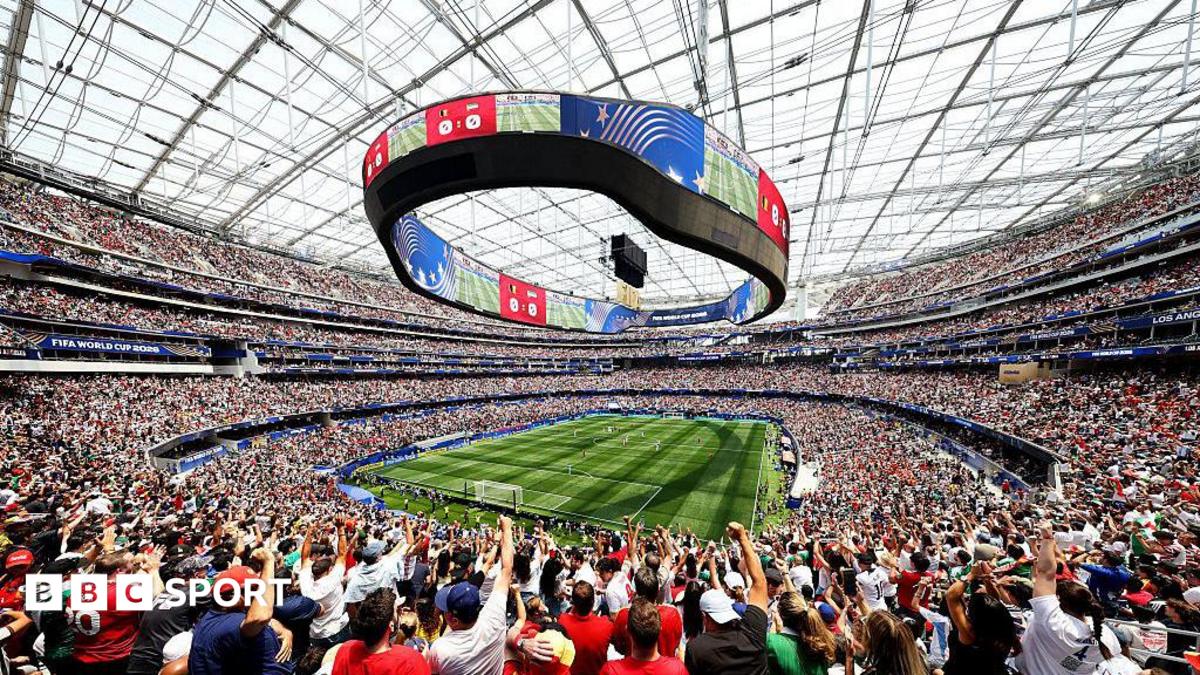
The 2026 World Cup is already making an impression before the knockout drama even begins, with BBC Sport turning attention to the venues that are shaping the tournament’s identity. Spread across 16 cities in three countries, this edition is as much a stadium showcase as it is a football competition, and that matters for supporters, players and broadcasters alike.
At the centre of the early discussion is Mexico’s Azteca Stadium, one of the most recognisable grounds in world football. It hosted the opening game, immediately placing a historic venue back into the global spotlight. For many fans, the appeal of a World Cup is not only the football itself but the sense of occasion created by iconic settings, and Azteca remains one of the few stadiums that can claim genuine tournament mythology.
Why stadiums matter in a World Cup
In a tournament stretched across such a wide geography, the stadiums influence more than the visual backdrop. They affect travel demands, atmosphere, pitch familiarity and the rhythm of the competition. For teams, that can mean adapting to different conditions from one venue to the next. For supporters, it can shape the experience of following a side across borders and time zones. And for neutral viewers, it adds another layer to the debate over which host city has delivered the best matchday environment.
BBC Sport’s experts have been taking stock of the new venues, with New York New Jersey Stadium also drawing attention because it is set to stage the final on 19 July. That alone gives it a central place in the tournament narrative. Finals are often remembered as much for the stadium as the scoreline, and the closing match will determine whether this venue becomes part of World Cup folklore or simply the site of the last whistle.
A tournament defined by scale and variety
The spread of matches across three nations gives the competition a different feel from a single-country World Cup. It creates variety in atmosphere and architecture, but it also raises the stakes for every host city trying to leave a lasting impression. Some stadiums win praise for their history, others for their modern design, and others for the way they amplify noise and tension on big nights.
That is why the question of the “best” World Cup stadium is more than a matter of aesthetics. It speaks to how the tournament is being experienced on the ground. As the event develops, the strongest venues will be the ones that combine comfort, character and a sense of theatre. For supporters, those are the places where the World Cup feels biggest.
BBC Sport’s verdict is part of a wider conversation that will continue throughout the tournament, especially as the biggest matches begin to define which stadiums truly belong in the memory of 2026.
Source note: This article was prepared using publicly available information from BBC Sport and expanded with editorial context.
Share this content: