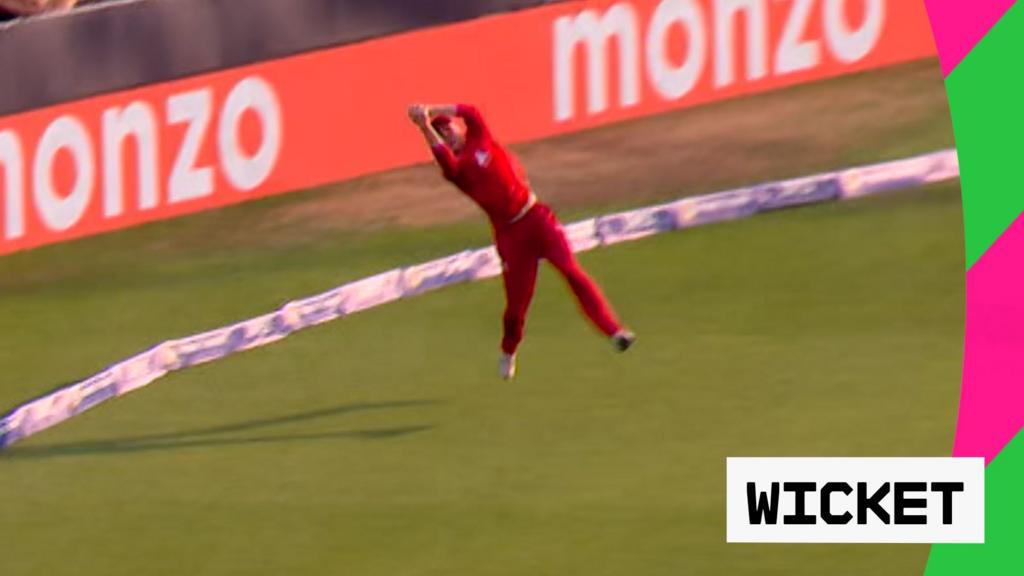
Ben Kellaway’s athletic boundary catch was the defining moment in the early stages of Southern Brave’s opening men’s 2026 Hundred match against Welsh Fire, with Tristan Stubbs departing as the Brave slipped to 70-4. It was the kind of sharp, high-skill fielding intervention that can change the tone of a short-format contest in a single delivery.
Why the wicket mattered
In the Hundred, momentum is often built as much through fielding as through batting or bowling. A catch like Kellaway’s does more than remove a set batter: it can stall a partnership, lift the fielding side, and force the batting team to reset under pressure. With Southern Brave already four down, the dismissal of Stubbs increased the value of every remaining ball and sharpened the importance of the middle order’s response.
For Welsh Fire, the moment offered an early return on disciplined fielding and awareness at the rope. Boundary catches are among the hardest skills in white-ball cricket because they require judgement, balance, and body control in a split second. Kellaway’s effort stood out not only for the take itself, but for the composure to stay in play and complete the dismissal cleanly.
What it means for both sides
For Southern Brave, being 70-4 in the opening match is a reminder of how quickly a Hundred innings can tilt. The format leaves little room for recovery if wickets fall in clusters, and the Brave now needed a stabilising stand to avoid handing Welsh Fire control of the contest. In a competition where every run carries added weight, the ability to rebuild without losing further momentum becomes crucial.
For Welsh Fire, the wicket underlined the value of pressure cricket: tidy fielding, alert positioning, and the willingness to convert half-chances into match-shaping moments. Supporters will see it as the sort of play that can set the standard for a campaign, especially in a tournament where margins are narrow and fielding often separates the sides.
Stubbs’ dismissal also matters from a tactical perspective. In short-format cricket, removing a batter who can accelerate quickly changes the batting side’s scoring options and can force less natural hitters to take on more responsibility. That can slow the innings and make later overs more difficult to attack.
While the scoreline at that stage did not decide the match, Kellaway’s catch was the sort of highlight that can define early narrative in a tournament opener. For Welsh Fire, it was a statement of alertness. For Southern Brave, it was a warning that the innings had already become a recovery job.
Source note: This article was prepared using publicly available information from BBC Sport and expanded with editorial context.
Share this content: