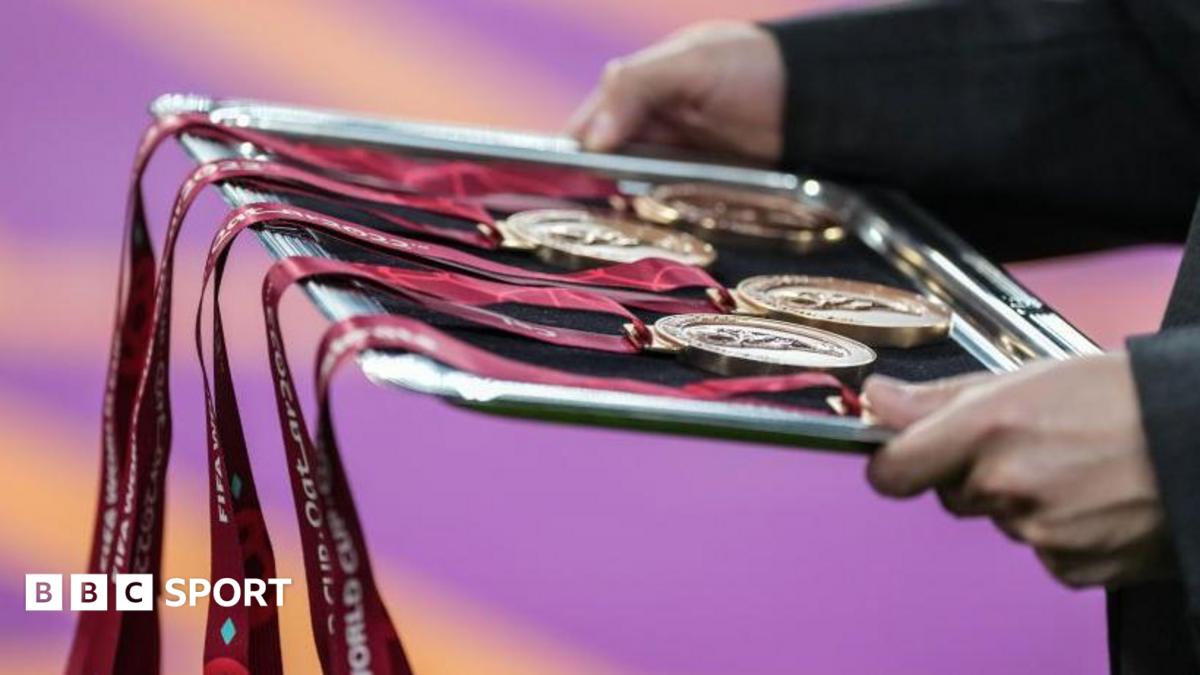
The World Cup bronze final is one of football’s most curious fixtures: a match that has been part of the tournament for 72 years, yet still prompts the same question every cycle — is it a meaningful contest, or simply an unwanted extra step before the final whistle of the competition?
BBC Sport’s latest piece revisits that debate, and the timing matters. In a tournament built around the pursuit of the trophy, the third-place match sits in an awkward space. It is neither the ultimate prize nor a true consolation in the emotional sense, but it does offer one last chance for a team to leave the competition with a win rather than a defeat.
A fixture with history, but not always prestige
For supporters, the bronze final can feel different depending on the circumstances. If a team has just missed out on the final after a painful semi-final loss, the match can seem like a difficult obligation. But for others, especially nations with smaller World Cup histories, it can still carry real significance. A podium finish at the world’s biggest tournament is not nothing, even if it does not come with the same prestige as lifting the trophy.
That tension is what keeps the fixture relevant. It is a game that can reward resilience, squad depth and professionalism at the end of a draining tournament. It can also provide a final stage for players who have spent weeks under pressure and now have one more opportunity to shape the narrative of their World Cup.
Why the bronze final still matters tactically and emotionally
From a footballing perspective, the bronze final often produces a different kind of match from the semi-finals. With the biggest prize already gone, managers may rotate, protect tired players or give minutes to those who have not featured as heavily. That can change the rhythm of the game and make it less predictable, but it also gives coaches a chance to manage a squad’s final appearance in the tournament with care.
For fans, the fixture can be divisive because its meaning is not fixed. Some see it as a chance to celebrate a strong campaign that fell just short. Others view it as a match no one truly wants to play. BBC Sport’s framing reflects that split: the bronze final has history, but whether it has enough emotional weight to justify its place remains open to debate.
What is clear is that the match continues to exist because football’s biggest tournament still values ranking the teams beyond first and second. Even if the bronze final does not command the same attention as the final itself, it remains part of the World Cup’s competitive structure — and for the teams involved, it is still a chance to finish on a high.
Source note: This article was prepared using publicly available information from BBC Sport and expanded with editorial context.
Share this content: