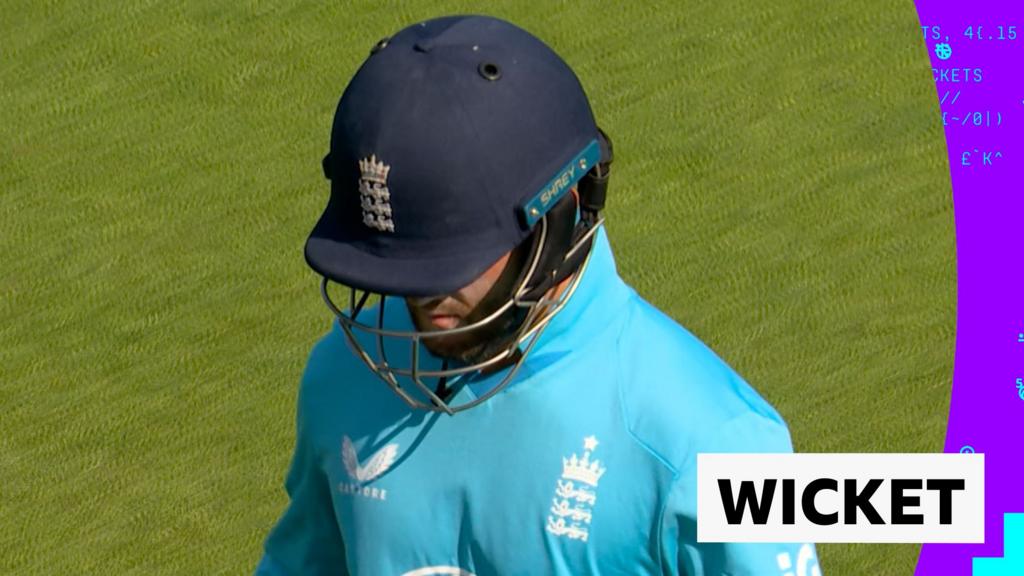
India made the perfect start to the second one-day international in Cardiff when Jasprit Bumrah removed Ben Duckett with the very first ball of England’s chase. With England pursuing 234, the early wicket instantly shifted the tone of the innings and gave India immediate control of the contest.
The dismissal mattered not just because it was a golden duck, but because it came from the opening delivery of the chase. In limited-overs cricket, that kind of start can alter batting plans straight away, forcing the chasing side to absorb pressure before they have even settled. For England, it meant the margin for error narrowed before a run had been scored.
Why the first ball wicket matters
Bumrah’s reputation is built on precision, control and the ability to strike in the most important moments. A new-ball wicket at the start of a chase is exactly the sort of intervention that can shape a match, especially when the target is not enormous but still demands discipline. England’s top order would have wanted a calm beginning; instead, they were immediately on the back foot.
From India’s perspective, the breakthrough was ideal because it allowed their bowlers to attack from the outset rather than defend a total under pressure. In a chase of 234, the first few overs often determine whether the batting side can build a platform or whether the required rate begins to weigh on the innings. Bumrah’s strike gave India the latter advantage.
What it means for England and India
For England supporters, the wicket is a reminder of how fragile a chase can become when a key batter falls early. Duckett’s dismissal does not decide the match on its own, but it forces the rest of the line-up to rebuild against one of the most dangerous bowlers in world cricket. That is never an easy task, particularly in a pressure chase.
For India, the moment underlines the value of having a bowler like Bumrah available at the start of an innings. His ability to produce immediate damage is one of the reasons India remain such a difficult side to chase against in white-ball cricket. Even before the middle overs begin, they can create scoreboard pressure through wickets rather than just dot balls.
The source does not provide the full match outcome, but the early wicket alone tells the story of a contest that began with India firmly on top. In a chase of 234, England needed composure; instead, they were met by Bumrah’s first-ball strike and an instant reminder of how quickly momentum can swing in international cricket.
Source note: This article was prepared using publicly available information from BBC Sport and expanded with editorial context.
Share this content: