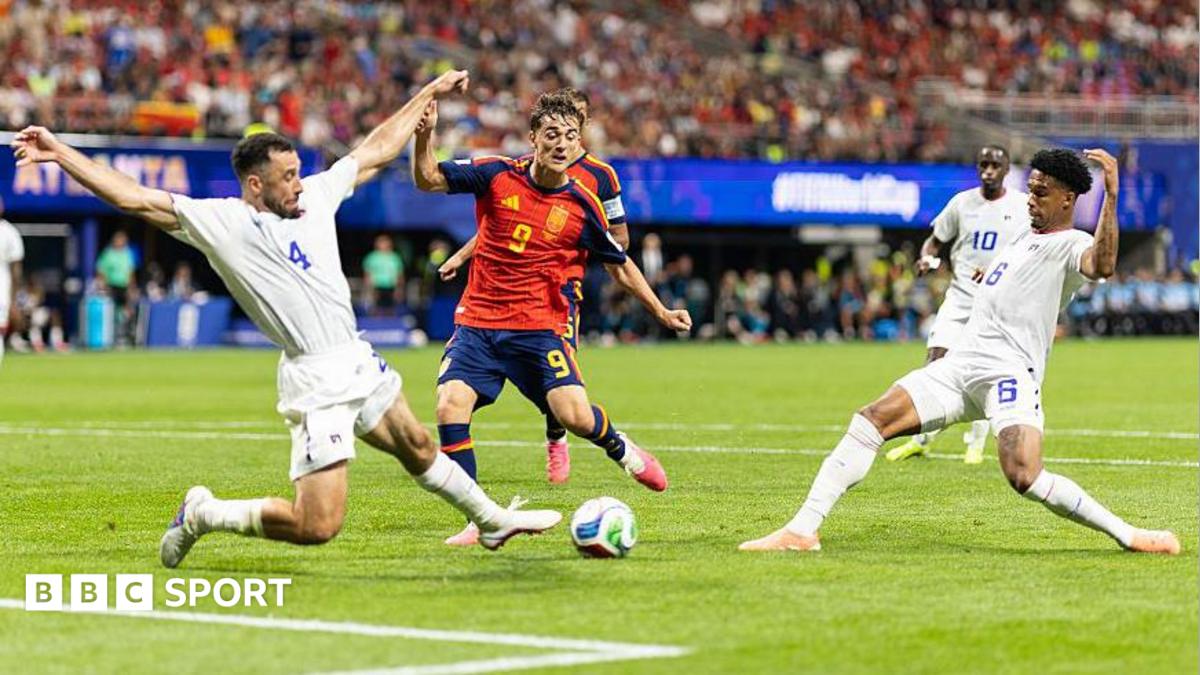
The World Cup has already produced one of its most eye-catching results in Cape Verde’s draw with Spain, a performance that has quickly become more than a headline result. For Scotland supporters following the tournament closely, it raises a practical question: can a smaller side’s disciplined approach offer a blueprint for getting something against a stronger opponent such as Morocco?
BBC Sport’s framing of the story is important because it goes beyond the scoreline. Cape Verde’s achievement was not simply about surviving pressure; it was about structure, concentration and the ability to stay in the contest against a team built to dominate possession. That is the kind of performance that often resonates with teams preparing for a difficult group-stage or knockout assignment, where control without the ball can matter as much as attacking flair.
Why Cape Verde’s result matters
Spain, as European champions, are the sort of side that usually force opponents into long spells of defending. A draw against them suggests Cape Verde were able to keep their shape, limit clear chances and avoid the kind of defensive collapse that elite teams often punish. For Scotland, that is a useful case study because the margins at World Cup level are so fine. One well-organised defensive display can change the tone of an entire campaign.
There is also a psychological layer to the result. When a less-fancied team earns a result against a heavyweight, it sends a message to every other side in the competition: reputation alone does not decide matches. That matters for supporters too, because it reinforces the idea that tactical discipline and collective commitment can still level the playing field.
What Scotland can take from it against Morocco
If Scotland are looking for encouragement, the lesson is not that they should copy Cape Verde exactly, but that they should understand the principles behind the performance. Compact spacing, patience without the ball and a willingness to frustrate an opponent can be decisive when facing a side with more control or more individual quality. Against Morocco, those details could shape whether Scotland can stay competitive deep into the match.
For fans, the appeal is obvious. World Cup tournaments are often defined by moments when underdogs find a way to make the game uncomfortable for favourites. Cape Verde’s draw with Spain has already become one of those reference points, and it may yet be remembered not only as a surprise result, but as a lesson in how to compete intelligently on the biggest stage.
Source note: This article was prepared using publicly available information from BBC Sport and expanded with editorial context.
Share this content: