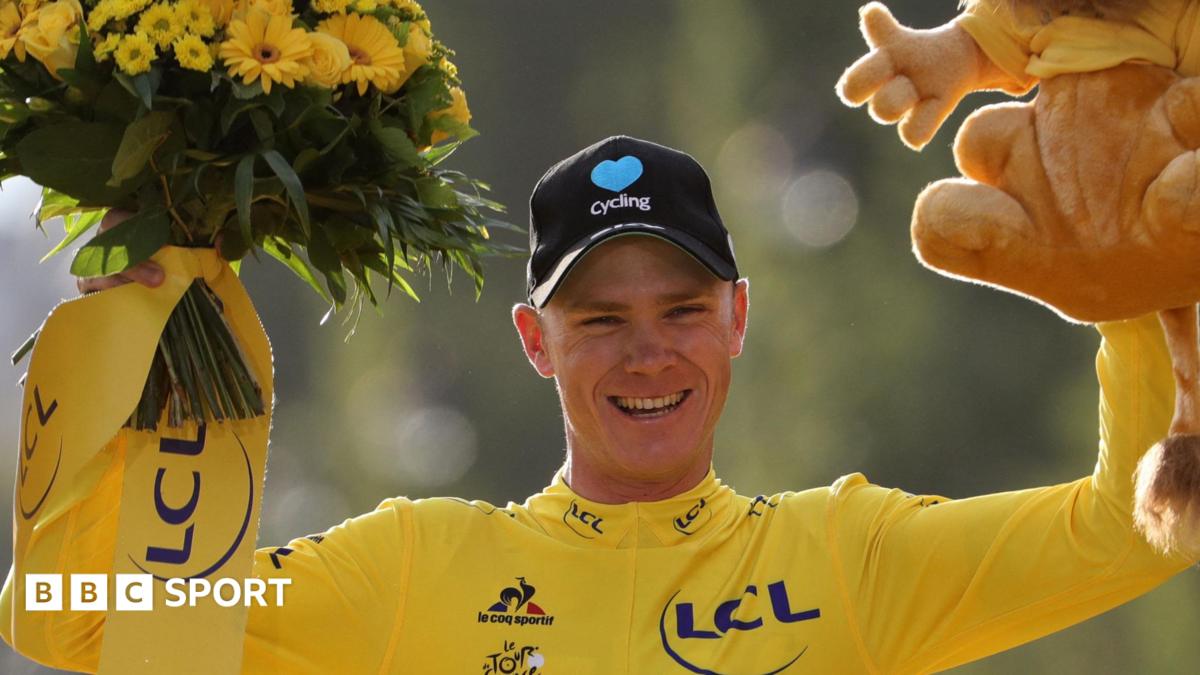
Chris Froome’s retirement closes the book on one of the defining Grand Tour careers of the modern era. The four-time Tour de France winner has ended his professional cycling journey after a final stretch that made clear his place in the sport had shifted from contender to veteran figure.
According to the BBC report, Froome was omitted from Israel-Premier Tech’s last three Tour de France squads and was released by the team in November. Those details matter because they underline how the final phase of his career unfolded: not with a farewell ride at the Tour, but with a gradual step away from the level at which he built his legacy.
A career built on Grand Tour dominance
Froome’s name is tied to the Tour de France in a way few riders can match. Winning the race four times places him among the most successful stage-race riders of his generation, and his retirement will resonate far beyond the team he most recently represented. For supporters of cycling, it marks the end of an era shaped by his climbing strength, time-trial consistency and ability to control three-week races.
While the source does not detail the full arc of his achievements, the headline fact alone is enough to frame the significance: a rider who once defined the Tour is now leaving the peloton behind. That transition is often difficult in elite cycling, where age, form and team selection can quickly change a rider’s standing. Froome’s exit reflects that reality.
What it means for Israel-Premier Tech and the sport
For Israel-Premier Tech, Froome’s departure removes a high-profile name from the roster and signals a continued focus on the team’s next competitive phase. His absence from recent Tour squads suggests the team had already moved in a different direction for its biggest stage-race objectives.
For the wider sport, Froome’s retirement invites reflection on a career that helped shape the modern Tour de France conversation. Even without a detailed farewell in the source, the significance is clear: one of the most recognisable riders of the last decade is stepping away, and that will be felt by fans who followed his peak years closely.
There is no need to overstate the moment. Froome’s retirement is notable because of what he achieved, not because of a dramatic final chapter. The facts point to a controlled, inevitable ending to a career that once sat at the centre of cycling’s biggest race.
Source note: This article was prepared using publicly available information from BBC Sport and expanded with editorial context.
Share this content: