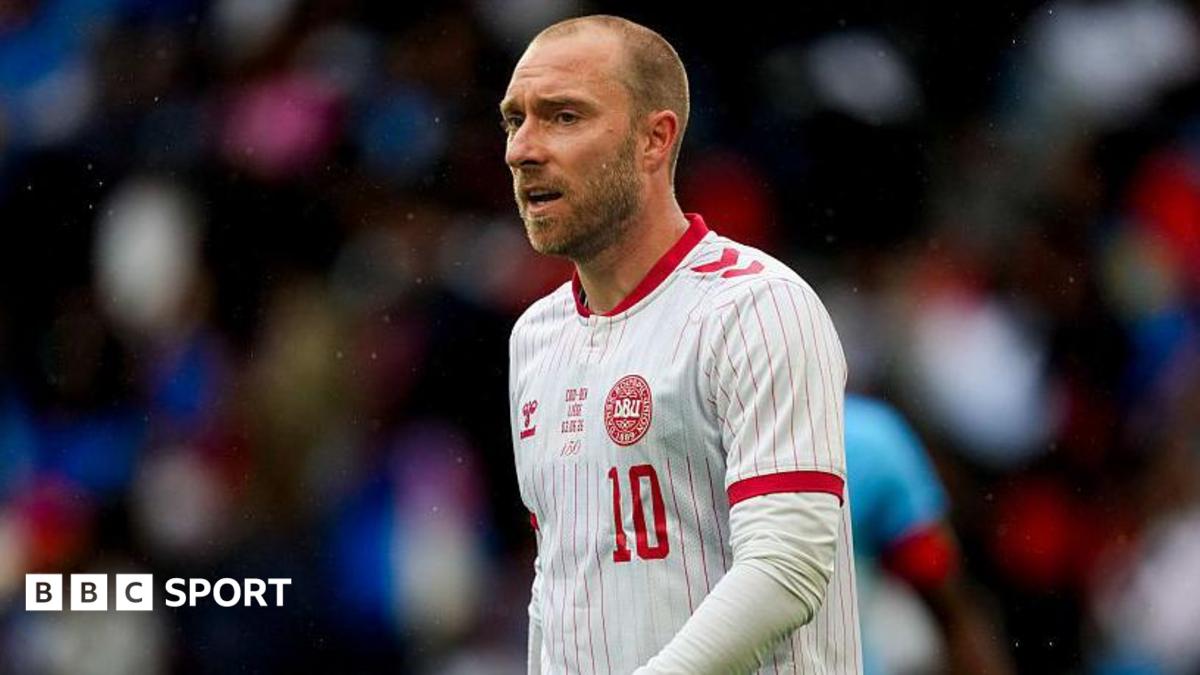
Christian Eriksen is set to continue his recovery in Denmark, where he will begin individual rehabilitation after collapsing during a friendly last month. The update is a significant step in a story that has moved far beyond football results and into the wider conversation about player welfare, medical response and the responsibilities that sit around elite sport.
For supporters, the news will be read first and foremost as a positive sign that Eriksen is progressing through the next stage of his recovery. Rehabilitation after a collapse is not simply about returning to training; it is about rebuilding confidence, monitoring health carefully and ensuring that every step is taken under medical supervision. In that sense, the move to Denmark suggests a controlled and personal phase of work rather than any rush back into competitive action.
What the Denmark move means
Beginning rehab in his home country also carries practical and emotional value. Being closer to family and familiar surroundings can matter in a period where the focus is on stability and routine. From a football perspective, it allows Eriksen to work individually while the broader questions around his future remain secondary to his immediate wellbeing.
The source does not provide a return timeline, and that is important. At this stage, the story is not about when Eriksen will play again, but about the fact that he is able to take the next step in recovery. That distinction matters because it keeps the emphasis where it belongs: on health first, football second.
Why this matters beyond one player
Eriksen’s case has already become one of the most closely watched medical stories in modern football. Whenever a player collapses on the pitch, the sport is forced to confront the speed of emergency response, the quality of medical protocols and the emotional impact on teammates, opponents and fans. This latest update will reassure many that the process is continuing in a structured way.
For clubs and governing bodies, such cases also underline why medical planning and pitch-side readiness are non-negotiable. For supporters, especially those who watched the incident unfold, the news offers a reminder that football can pause for something far more important than the game itself.
BBC Sport’s report is brief, but the significance is not. Eriksen beginning rehabilitation in Denmark is a measured, factual update that points to recovery, patience and careful management. In a sport often driven by urgency, this is a story where restraint is the right approach.
Source note: This article was prepared using publicly available information from BBC Sport and expanded with editorial context.
Share this content: