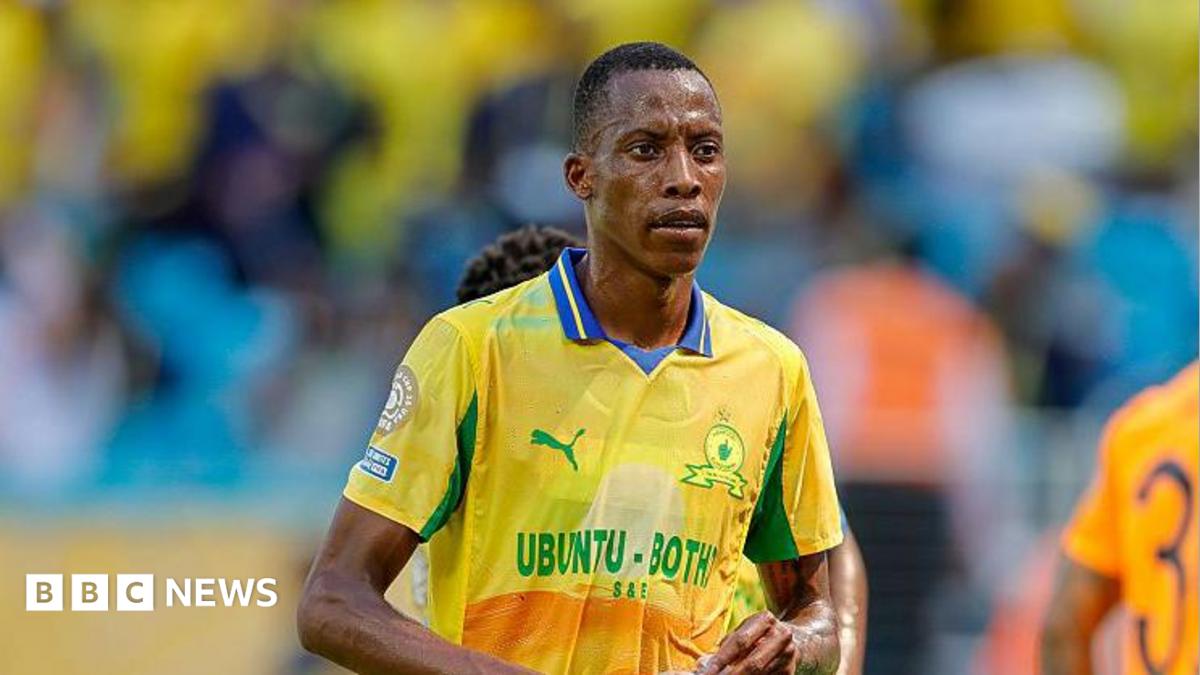
Zimbabwe international Divine Lunga has survived a gun attack in Johannesburg, a disturbing incident that places player safety and off-field security back into the spotlight. South African police have confirmed the attack, but the BBC report provides only limited detail on the circumstances, leaving key questions unanswered about the motive, the location within the city and whether anyone else was involved.
Even with the facts still thin, the significance of the case is clear. For footballers based in or travelling through major urban centres, personal security is not a peripheral issue. It can affect daily routines, club logistics and the sense of stability that players need to perform at their best. For supporters, particularly Zimbabwean fans following one of their national team figures, the news is likely to prompt immediate concern and relief in equal measure: concern that such an attack happened at all, and relief that Lunga survived.
What the incident means for Lunga and Zimbabwe football
Lunga’s survival is the most important immediate outcome, but the broader implications may unfold over the coming days as police and any relevant football authorities clarify what happened. When a player is involved in a violent incident away from the pitch, the impact can extend beyond the individual. It can influence club security protocols, travel arrangements and the wider conversation around how footballers are protected in high-risk environments.
For Zimbabwe football, the story also carries emotional weight. National-team players often serve as visible symbols of the game at home, and any threat to their wellbeing resonates strongly with supporters. In the absence of further verified details, it would be premature to speculate on Lunga’s condition beyond the confirmation that he survived the attack.
Why this story matters beyond the headline
Football news is often dominated by transfers, results and tactical trends, but incidents like this remind readers that the sport’s human dimension matters just as much. A player’s ability to train, travel and compete depends on more than fitness and form; it also depends on safety. That is why this report deserves attention even without a fuller match or transfer angle.
At this stage, the most responsible reading is simple: a Zimbabwean footballer has survived a gun attack in Johannesburg, police are aware of the case, and further verified information is needed before any wider conclusions can be drawn. For now, the priority is the player’s welfare and the investigation into how the incident unfolded.
Source note: This article was prepared using publicly available information from BBC Sport and expanded with editorial context.
Share this content: