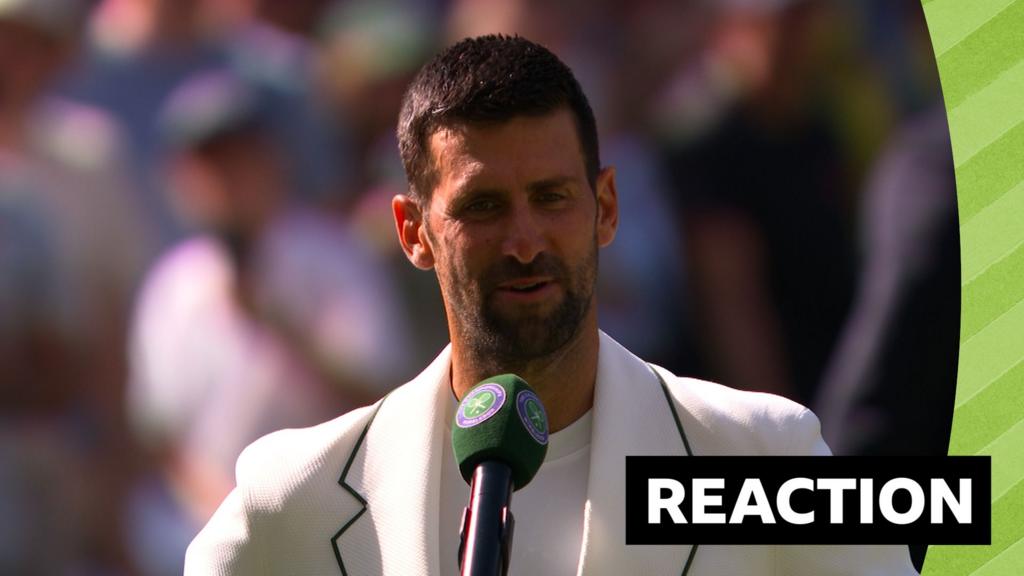
Novak Djokovic’s latest Wimbledon win was not the kind of routine passage that has so often defined his best runs at the All England Club. Instead, the Serbian said he felt “more tension than usual” before eventually getting over the line against Arthur Rinderknech in four sets, a result that carried him into the fourth round of Wimbledon 2026.
For supporters watching Djokovic at this stage of a major, the key takeaway is not simply that he advanced, but that he did so while openly acknowledging the pressure he felt. That matters because Wimbledon has long been the tournament where Djokovic’s composure, return game and ability to manage awkward moments have separated him from the field. When he speaks about stress after a match, it is usually a sign that the contest demanded more than the scoreline alone might suggest.
Why this win matters for Djokovic
A four-set victory in the early rounds can tell two stories at once. On one hand, Djokovic still found a way through, which remains the most important trait for any player chasing another deep run at a Slam. On the other, the fact that he needed to work through visible tension may be a useful warning sign as the draw tightens and the level rises.
That is especially relevant at Wimbledon, where grass-court matches can turn quickly if a top seed loses rhythm on serve or allows an opponent to dictate with short bursts of momentum. Djokovic’s ability to recover and close out the match will reassure his camp, but the admission of stress suggests he was pushed harder than he would have liked by Rinderknech.
What it means for the rest of the tournament
Djokovic’s path now becomes more demanding, and that is where this result gains its wider significance. Early-round matches are often about finding timing, protecting energy and avoiding unnecessary damage. By reaching the fourth round, he has done the essential job of staying alive in the tournament, but the manner of the win may prompt closer scrutiny of how sharp he looks in the next round.
For fans, the encouraging sign is simple: even on a day when he was not at his most comfortable, Djokovic still found a way to win. That remains one of his defining strengths. For his rivals, the message is equally clear: if he can advance while feeling below his best, he is still a major threat as Wimbledon moves deeper into the second week.
The result also underlines the difference between surviving and thriving at a Grand Slam. Djokovic has made a career out of doing both, but the tension he described after this match adds a layer of intrigue to his campaign. If he settles quickly, this could still become another familiar Djokovic run. If not, the draw may yet offer opportunities for opponents willing to test him physically and mentally on grass.
Source note: This article was prepared using publicly available information from BBC Sport and expanded with editorial context.
Share this content: