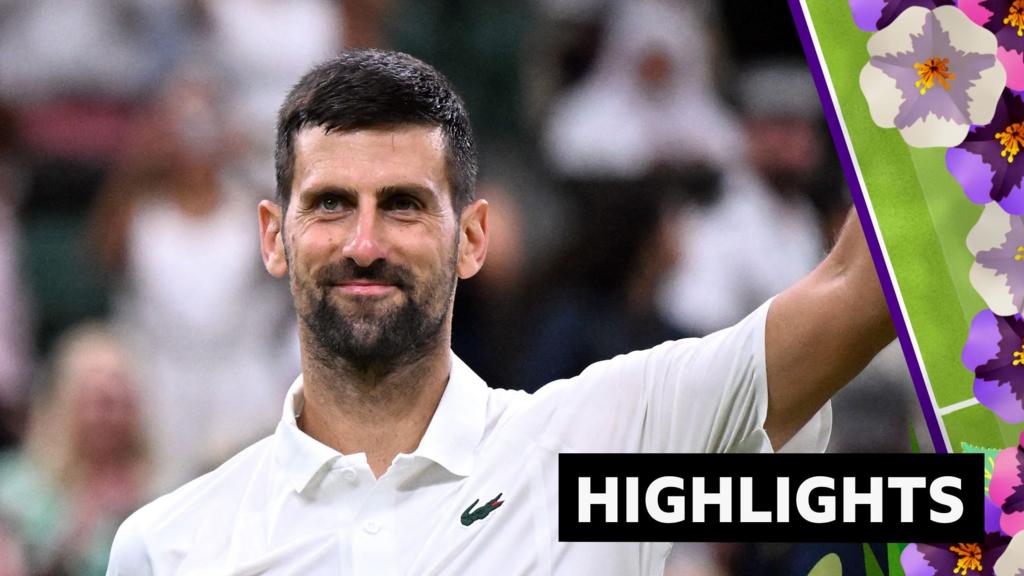
Novak Djokovic’s straight-sets win over Stefanos Tsitsipas at Wimbledon was more than a routine passage into the next round. It was a reminder of the Serbian’s enduring ability to raise his level on the sport’s biggest stages, and of how difficult it remains for even elite opponents to live with him when he finds his rhythm early.
BBC described the performance as an “incredible display”, and that framing feels appropriate. Against a player of Tsitsipas’s quality, a clean win carries added weight because it is not simply about advancing. It is about sending a message to the rest of the draw that Djokovic is already operating at a level that can absorb pressure, control tempo and close out sets without allowing the match to drift.
Why the result matters at Wimbledon
For supporters, this is the kind of result that sharpens expectations. Wimbledon is a tournament where experience, return quality and mental discipline often matter as much as raw power, and Djokovic has built his reputation on exactly those traits. A straight-sets victory in the second round suggests he is not being dragged into unnecessary physical battles early in the event, which is always significant in a Grand Slam where energy management can shape the final week.
Tsitsipas has long been viewed as one of the players capable of challenging the established order, but matches against Djokovic often expose how fine the margins are at the top end of men’s tennis. When Djokovic is serving efficiently, returning with precision and dictating the baseline exchanges, opponents can find themselves defending for long stretches and struggling to create the kind of scoreboard pressure that changes the match narrative.
What it says about Djokovic’s title prospects
There is also a broader tactical implication here. A “vintage” performance at this stage of Wimbledon suggests Djokovic may already be finding the balance between aggression and control that has defined so many of his successful runs. That matters because the deeper he goes, the more likely he is to face players who can punish lapses. Starting with a statement win reduces the room for doubt and increases the sense that he is settling into the tournament on his own terms.
For fans, the takeaway is simple: Djokovic remains a central figure in the title conversation. Results like this are not just about one match; they are about momentum, belief and the psychological edge that comes from looking comfortable while others are still searching for theirs. If he continues in this form, the rest of the field will know they are chasing more than a name — they are chasing a player still capable of producing championship-level tennis when it matters most.
Source note: This article was prepared using publicly available information from BBC Sport and expanded with editorial context.
Share this content: