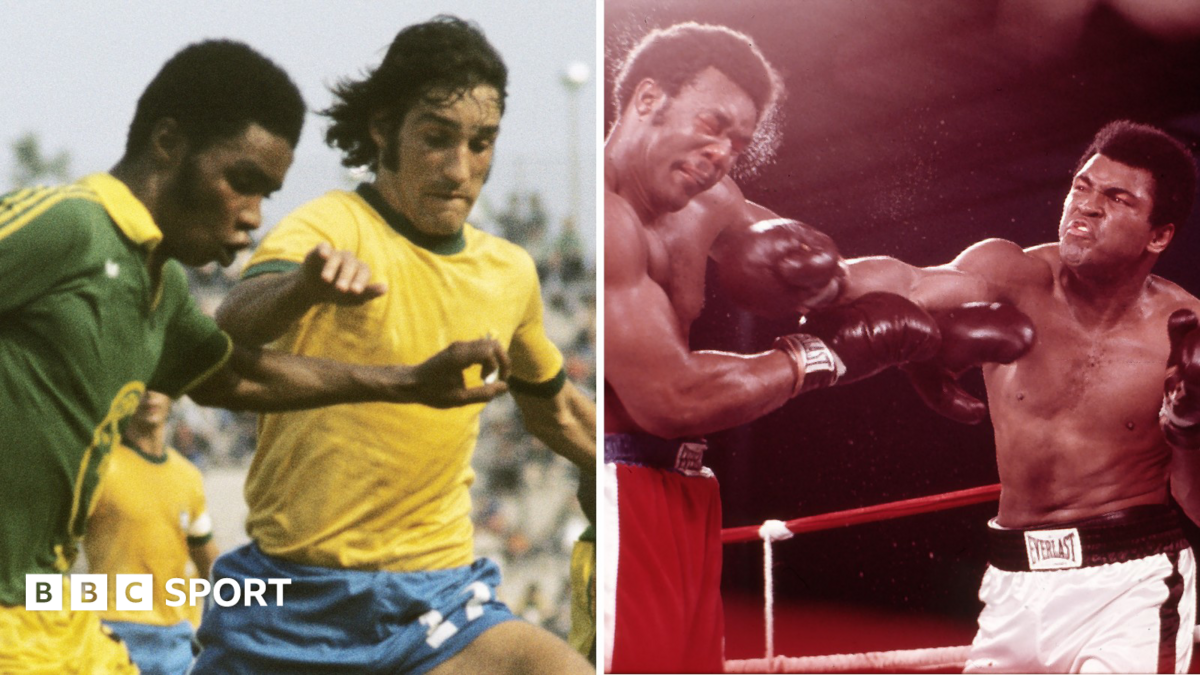
DR Congo’s place in World Cup history is defined by a difficult and deeply unflattering debut in 1974, when the team lost all three of its matches, conceded 14 goals and failed to score. More than five decades later, that record remains the backdrop to any discussion about whether the Leopards can finally return to football’s biggest stage and create a more competitive legacy.
A painful starting point in 1974
The numbers from DR Congo’s first World Cup campaign are stark. Three defeats, no goals and 14 conceded made the tournament a harsh introduction to the global elite. For supporters, that history matters because it frames the scale of the challenge: qualifying for a World Cup is one thing, but arriving prepared to compete is another entirely.
That is why any renewed bid for World Cup history carries significance beyond simple qualification. It is about changing the narrative around Congolese football, which has often been judged through the lens of missed opportunities and the memory of that 1974 campaign. A successful push now would not erase the past, but it would give the national team a modern reference point that feels far more relevant to today’s squad and supporters.
Why this matters now
BBC Sport Africa’s feature, compiled by Rob Stevens from interviews by Peter Musembi, Lucy Provan, Ian Williams, Alassane Dia and Celestine Karoney, revisits that history at a moment when DR Congo’s ambitions are again under the spotlight. The framing of the story as “bigger than Rumble in the Jungle?” underlines how football in DR Congo is often discussed alongside the country’s wider sporting identity and its place in African history.
From a football perspective, the significance is clear: a World Cup return would be a major statement for the national team, the federation and the domestic game. It would also matter to supporters who have waited generations for a chance to see DR Congo compete on the sport’s biggest stage with a chance of making an impact rather than simply participating.
There are no easy routes in African qualifying, where margins are tight and consistency is essential. That makes the story less about nostalgia and more about execution. For DR Congo, the lesson from 1974 is not just that the team struggled, but that World Cup football exposes every weakness. Any modern campaign must therefore be built on defensive discipline, efficient transitions and the ability to turn limited chances into points.
For fans, the appeal is obvious. A return to the World Cup would offer a chance to replace a painful historical footnote with a new chapter of belief. The 1974 team remains part of the national story, but the real prize is proving that DR Congo can be remembered for something much more ambitious than a debut that went badly wrong.
Source note: This article was prepared using publicly available information from BBC Sport and expanded with editorial context.
Share this content: