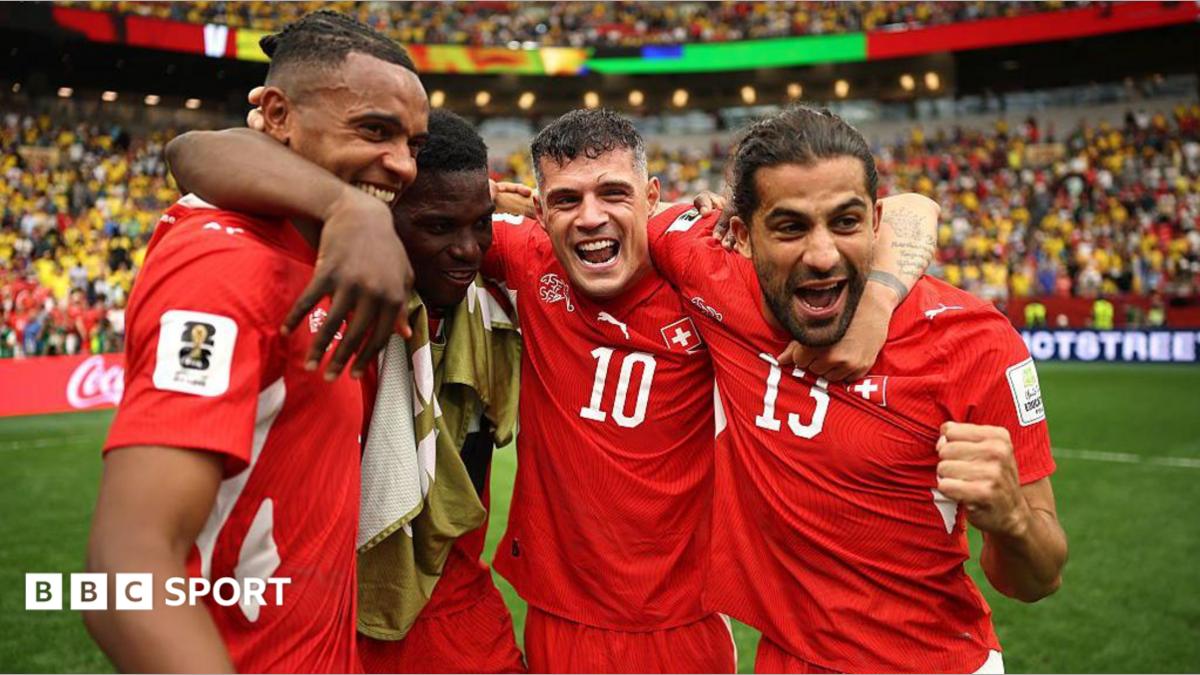
European football has long carried the reputation of being the game’s most competitive ecosystem, but the latest BBC analysis asks a sharper question: is Europe’s World Cup dominance now a surprise, or simply the logical outcome of where the sport has been heading?
The article points to a historical pattern that has often worked against European sides at tournaments staged outside the continent. That context matters because it frames the current conversation around more than just one tournament cycle. It suggests a broader shift in how international football is being shaped by club structures, player development and the tactical standards set across Europe’s major leagues.
Why the trend matters
For supporters, the issue is not only whether Europe is winning more often, but why. If European nations are increasingly outperforming the rest of the world at the World Cup, that raises questions about the depth of talent pipelines, the influence of elite club football and the way players are being prepared for tournament football. The modern game rewards teams that can manage tempo, press intelligently and adapt quickly between phases, and European systems have often been at the forefront of those demands.
That does not mean the rest of the world has fallen away. Rather, it highlights how much the international game is now shaped by players who spend most of their careers in Europe’s top leagues. The BBC’s framing is useful because it avoids a simplistic conclusion and instead invites readers to consider whether the continent’s strength is cyclical, structural or both.
What it means for the World Cup picture
Any discussion of World Cup dominance has to be read through the lens of tournament football, where small margins, squad depth and tactical flexibility often decide everything. Europe’s recent success may reflect not just individual quality, but the collective advantage of teams used to high-intensity domestic competition and constant tactical adjustment.
For fans, that makes the next World Cup cycle especially interesting. If Europe continues to set the pace, it could further widen the gap between the continent’s elite and the chasing pack. But the beauty of the tournament remains its unpredictability: one off-day, one tactical mismatch or one inspired run can still change the story completely.
The BBC piece does not claim the debate is settled, and that is exactly why it is relevant. Europe’s rise at the World Cup is not just a headline trend; it is a signpost for where football’s competitive centre of gravity may now be heading.
Source note: This article was prepared using publicly available information from BBC Sport and expanded with editorial context.
Share this content: