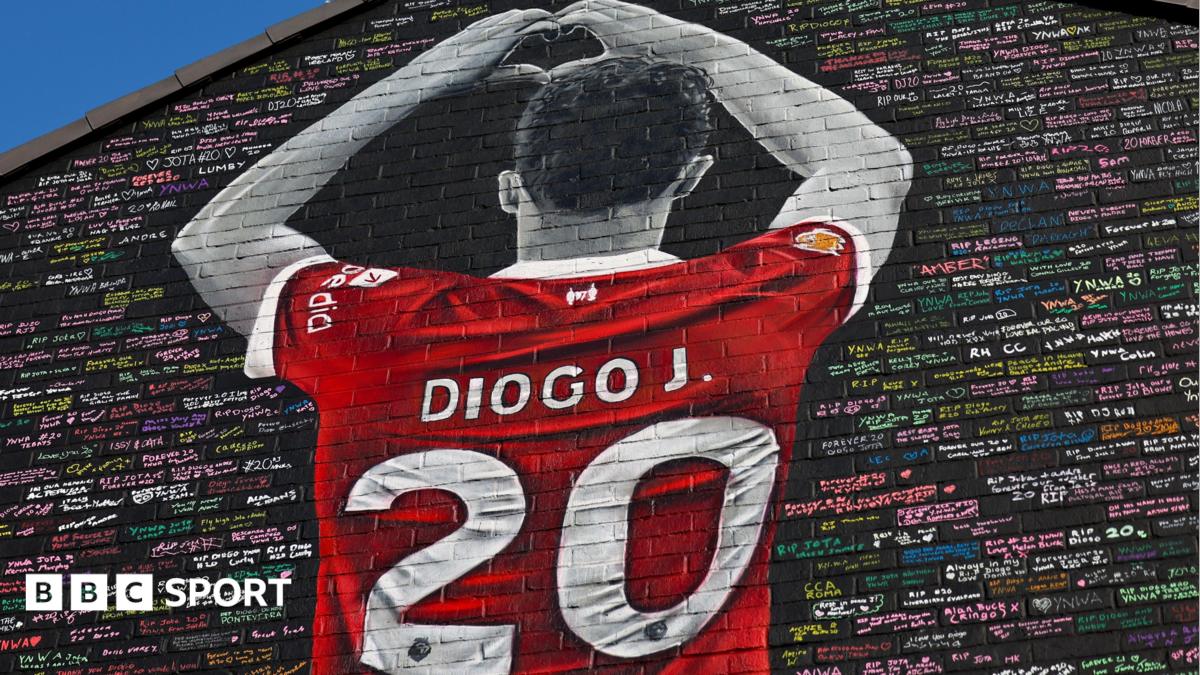
A year after the death of Diogo Jota and his brother Andre Silva in a car crash, the football world is again reflecting on the Liverpool forward’s place in the game. BBC Sport’s remembrance piece underlines just how widely Jota was admired, not only for his goals and work rate, but for the impression he left on teammates, supporters and opponents alike.
For Liverpool, anniversaries like this are about more than grief. They are also a reminder of the human side of elite football, where a player can become part of a club’s identity through performances, personality and connection with the fanbase. Jota’s name still carries that weight at Anfield, where his contribution was valued because he offered both end product and tactical flexibility.
Why Jota’s legacy still matters
Jota was the kind of forward managers trust because he could fit into different attacking structures. He was comfortable pressing from the front, attacking space between defenders and arriving in scoring positions with timing rather than spectacle. That profile made him especially useful in a Liverpool side built on intensity and movement, and it is part of why his absence is still felt beyond the emotional loss.
The BBC report does not attempt to turn the anniversary into a footballing analysis, but the significance is clear. When a player becomes associated with both professionalism and popularity, the memory lasts longer than a single season or a single run of form. For supporters, that means Jota is remembered not only as a scorer of important goals, but as someone who seemed to connect naturally with the spirit of the club.
What the anniversary means for Liverpool supporters
For Liverpool fans, this is a moment of reflection rather than reaction. The club’s recent history has been shaped by moments of triumph and tragedy, and Jota’s death remains one of the most painful reminders that football exists within real life, not apart from it. The emotional response around the anniversary shows that his influence went well beyond statistics.
There is also a broader lesson for the Premier League. In a competition often dominated by transfer fees, tactical trends and short-term results, the remembrance of Jota is a reminder that some players leave a deeper mark because of the way they are perceived by those around them. The phrase ‘Everyone loved Diogo’ captures that sentiment simply, and it is why this anniversary resonates so strongly.
As Liverpool and the wider football community mark one year since the crash, the focus is on memory, respect and legacy. Jota’s story remains part of the club’s recent past, and for many supporters it will continue to represent both the joy he brought on the pitch and the loss felt away from it.
Source note: This article was prepared using publicly available information from BBC Sport and expanded with editorial context.
Share this content: