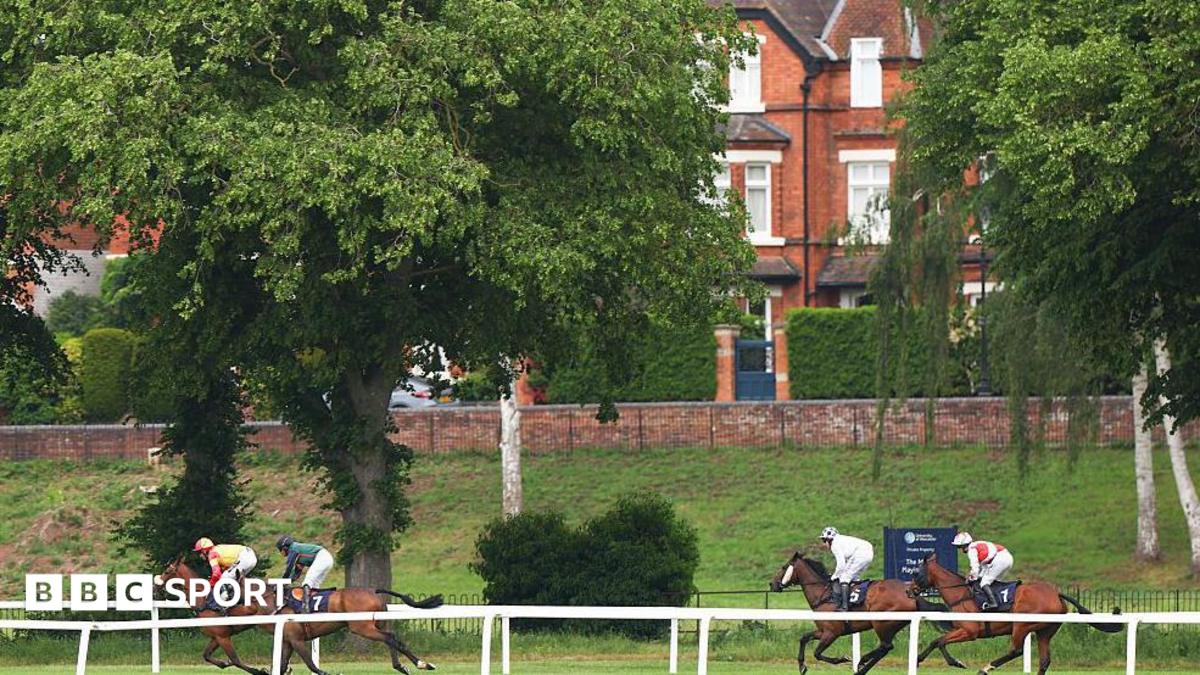
Four of Britain’s five scheduled horse racing meetings on Wednesday were abandoned after an extreme heat warning was issued for parts of the UK, a reminder that welfare and safety now sit above the demands of the racing calendar. The BBC report confirms that only one meeting remained on the schedule, with the majority of the day’s action wiped out before racing could begin.
For racing supporters, the immediate disappointment is obvious: fewer live contests, fewer betting markets, and a reduced midweek programme. But the wider significance is more important. When temperatures rise to levels that threaten horses, jockeys, officials and spectators, postponements are not a sign of weakness in the sport’s structure; they are a necessary safeguard. British racing has increasingly had to balance commercial scheduling with the realities of climate and track conditions.
Why the cancellations matter
Extreme heat can affect everything from the physical condition of the horses to the safety of the surface and the ability of staff to operate safely throughout the day. In practical terms, that means racecourses and officials must make difficult decisions early, often before the public has fully engaged with the card. While frustrating for punters and racegoers, such calls are designed to reduce risk in a sport where margins of safety are already tightly managed.
The abandonment of four meetings also highlights how vulnerable the racing programme can be to weather disruption. Unlike some sports that can adapt by moving indoors or adjusting kick-off times with relative ease, horse racing depends on a long chain of conditions being right at the same time: the track, the horses, the personnel and the forecast. When one of those breaks down, the whole fixture can collapse.
What it means for the sport
For trainers and owners, a lost meeting can disrupt carefully planned entries and preparation cycles. For jockeys and stable staff, it can mean a day of work undone by conditions beyond their control. For racecourses, it is another operational and financial setback in a sport that already works on narrow margins. And for fans, it is another example of how weather is becoming a more decisive factor in the sporting calendar.
There is also a broader conversation here about the future of summer racing in Britain. As heat warnings become more common, the sport may need to keep refining contingency planning, communication and scheduling flexibility. The priority will remain unchanged: protect horse and human welfare first, then find the best possible way to preserve the integrity of the racing programme.
In the short term, Wednesday’s abandoned meetings leave British racing with a stripped-back card and a clear message. When conditions turn dangerous, the sport is prepared to stop. For supporters, that may be disappointing, but it is also the right call.
Source note: This article was prepared using publicly available information from BBC Sport and expanded with editorial context.
Share this content: