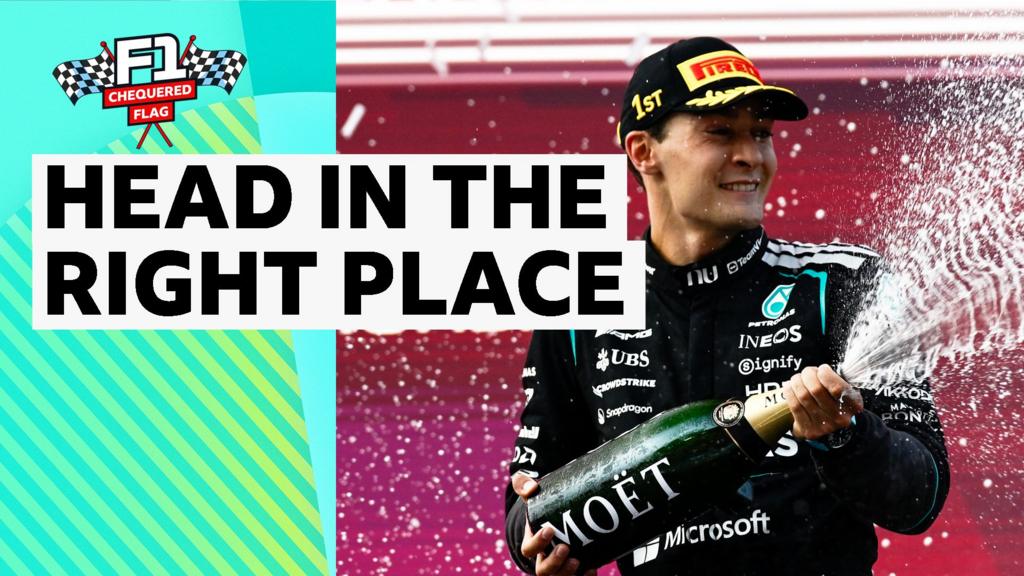
George Russell’s Austrian Grand Prix victory has been presented by BBC F1 correspondent Andrew Benson as more than just another result on the Formula 1 calendar. The key takeaway from the win was not only the points collected, but the way Russell managed the race, with Benson describing the performance as one that reflected maturity and experience.
For Mercedes, that matters. In a season where every strong weekend is measured against the wider battle for competitiveness, a composed victory from Russell offers evidence that the team can still convert opportunity into a major result. It also gives the driver a timely lift before Silverstone, where the pressure and expectation are always heightened because it is his home race.
Why the Austrian win matters for Russell
In Formula 1, the difference between a good drive and a statement drive is often how a driver handles the race when control is required. Benson’s assessment suggests Russell did exactly that in Austria. Rather than relying on raw pace alone, the win was notable for the sense of authority it carried, which is often what separates established front-runners from drivers still trying to prove they can consistently deliver under pressure.
That is especially relevant for Mercedes, a team that has spent recent seasons trying to close the gap to the front of the field. A victory like this does not solve everything, but it does reinforce belief inside the garage and among supporters that the team remains capable of competing at the sharp end when conditions allow.
What it could mean for Silverstone
Silverstone brings a different kind of challenge. Home support can energise a driver, but it also increases scrutiny. For Russell, arriving after a win in Austria changes the tone completely: instead of arriving under pressure to respond, he heads to his home event with momentum and confidence.
For Mercedes fans, that is significant. A strong showing at Silverstone would not only build on Austria, it would also strengthen the sense that the team’s progress is becoming more tangible. Even without over-reading one result, the combination of racecraft, composure and timing is exactly what Mercedes will want from a driver expected to lead the team’s next phase.
BBC’s coverage also points supporters toward the Chequered Flag podcast on BBC Sounds, underlining how closely Russell’s win is being watched within the wider F1 conversation. The broader implication is simple: if Mercedes can turn this kind of performance into a trend, Russell’s victory in Austria may be remembered as a meaningful marker rather than an isolated high point.
Source note: This article was prepared using publicly available information from BBC Sport and expanded with editorial context.
Share this content: