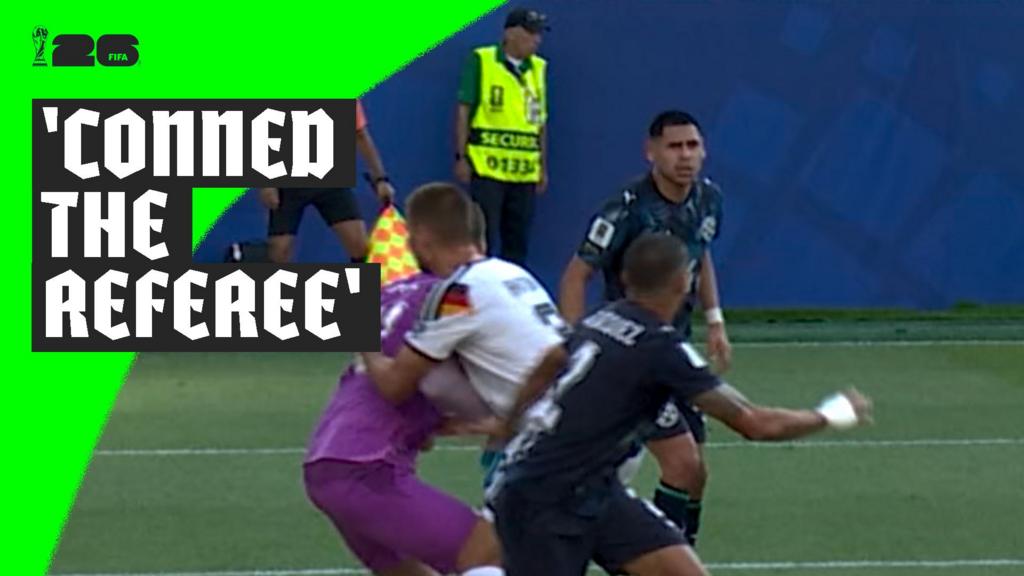
Germany were left frustrated after an extra-time goal from Jonathan Tah was controversially ruled out following a VAR intervention, with the decision centred on an alleged foul by Waldemar Anton on Paraguay goalkeeper Orlando Gill. The BBC described it as a “terrible decision”, underlining just how contentious the moment was.
The incident matters because it came at the sharp end of the match, when extra-time goals can decide not only a result but also the emotional tone of a tie. For Germany, the disallowed effort will feel like a major swing in momentum; for Paraguay, it was a reprieve that kept them alive in a game where one moment of officiating became the focal point.
Why the VAR call drew attention
VAR decisions are always scrutinised when they directly affect a goal, but the reaction here suggests the threshold for intervention was especially debated. The key issue was not Tah’s finish itself, but whether Anton’s contact with Gill constituted enough of a foul to invalidate the goal. That distinction is often where modern officiating becomes most controversial: the attacking move may be clean in open play, yet a marginal challenge elsewhere in the sequence can erase the outcome.
For supporters, this is exactly the kind of moment that fuels long-running arguments about consistency. Some will see the review as a necessary correction if the goalkeeper was impeded. Others will argue that the game’s flow was interrupted and that the contact did not justify cancelling a decisive goal. Either way, the decision ensured the match would be remembered as much for the review as for the football.
What it means for Germany and Paraguay
For Germany, the immediate consequence is obvious: a potentially decisive extra-time breakthrough was taken away, leaving them to deal with the psychological blow of having scored only for the goal to be removed. In knockout football, those moments can alter how a team manages the remainder of extra-time, especially if players feel the game has turned against them.
Paraguay, meanwhile, benefited from the intervention and were handed a lifeline at a critical stage. In matches decided by fine margins, teams often need more than tactical discipline; they need a little fortune, and this decision provided exactly that. The broader lesson is that VAR remains one of football’s most powerful and divisive tools, capable of changing not just scores but narratives.
For Germany supporters, the frustration will be less about the existence of VAR and more about the interpretation of the foul. For Paraguay fans, the ruling will be seen as a crucial escape. In either case, the controversy has ensured the incident will be replayed and debated well beyond the final whistle.
Source note: This article was prepared using publicly available information from BBC Sport and expanded with editorial context.
Share this content: