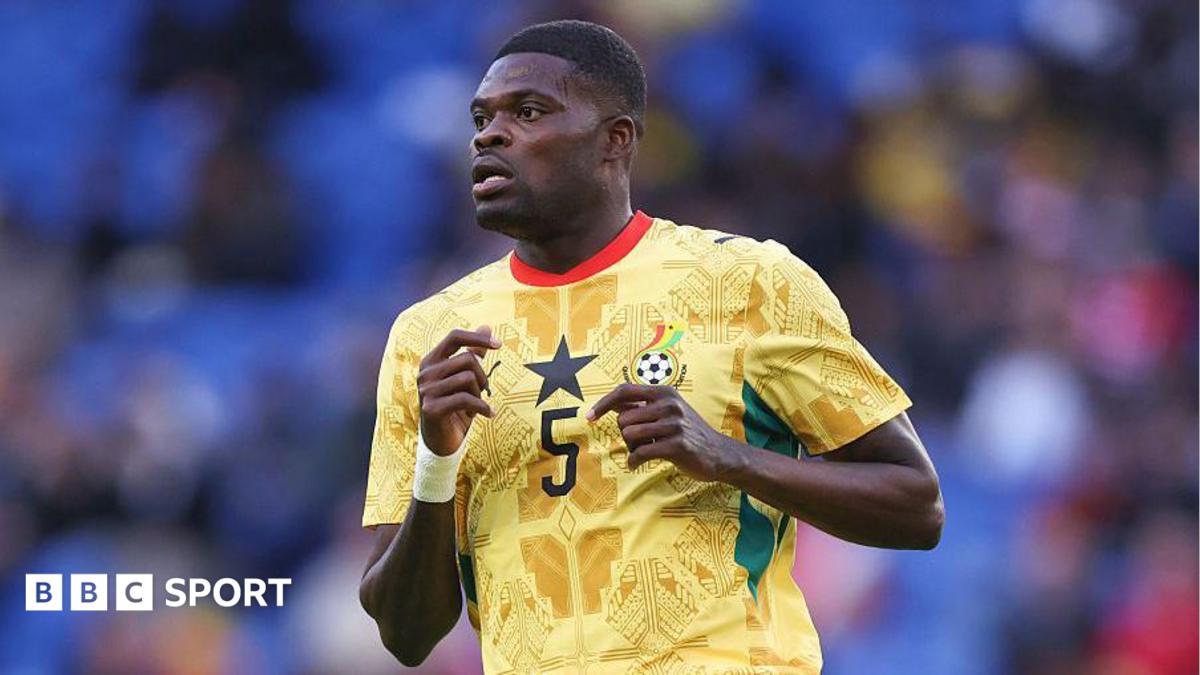
Ghana’s decision to challenge Canada’s refusal to grant Thomas Partey a visa has turned a routine administrative setback into a matter with wider sporting implications. According to the BBC source, the government has filed for a review and the case will be heard in court, placing the issue in a formal legal setting rather than leaving it as a simple travel dispute.
For supporters, the headline is not just about paperwork. It is about one of Ghana’s most recognisable midfielders being caught up in a process that can affect preparation, availability and planning around major international commitments. Even when a player is not yet on the pitch, uncertainty around travel and documentation can disrupt the rhythm of a national team’s build-up, especially when the calendar is already crowded and margins are tight.
Why the visa dispute matters beyond the courtroom
Partey’s profile makes the case more significant than an ordinary consular refusal. As a central midfielder, he is the kind of player around whom a national team often structures its balance: ball progression, defensive screening and control in transition all tend to be shaped by the presence or absence of a player in that role. Any delay in resolving his status therefore has sporting consequences, not just diplomatic ones.
Ghana’s move to seek judicial review suggests the matter is being treated as important enough to challenge formally. That is notable because it indicates the authorities believe the refusal deserves scrutiny, and it also shows how international football increasingly intersects with immigration rules, travel permissions and administrative decisions made far from the stadium.
What it means for Ghana and Partey
The immediate concern for Ghana is clarity. National teams need certainty over who can travel, train and be available when required, and legal uncertainty can complicate that process. For Partey, the case places him in an awkward position: his involvement in Ghana’s plans may depend on a decision that sits outside football itself.
For supporters, the broader takeaway is that modern international football is not only decided by tactics and talent. It is also shaped by logistics, legal systems and the ability of federations to protect their players’ access to matches and camps. If Ghana succeeds in its review, it could remove a distraction and restore focus to the football. If not, the issue may become another example of how off-field barriers can influence a team’s competitive readiness.
The BBC report does not provide further detail on the reasons behind Canada’s refusal, and that limits how far the story can be pushed. Even so, the fact that the matter is now before the courts gives it enough weight to matter to Ghana’s supporters, who will be watching closely for a resolution that keeps the focus on football rather than bureaucracy.
Source note: This article was prepared using publicly available information from BBC Sport and expanded with editorial context.
Share this content: