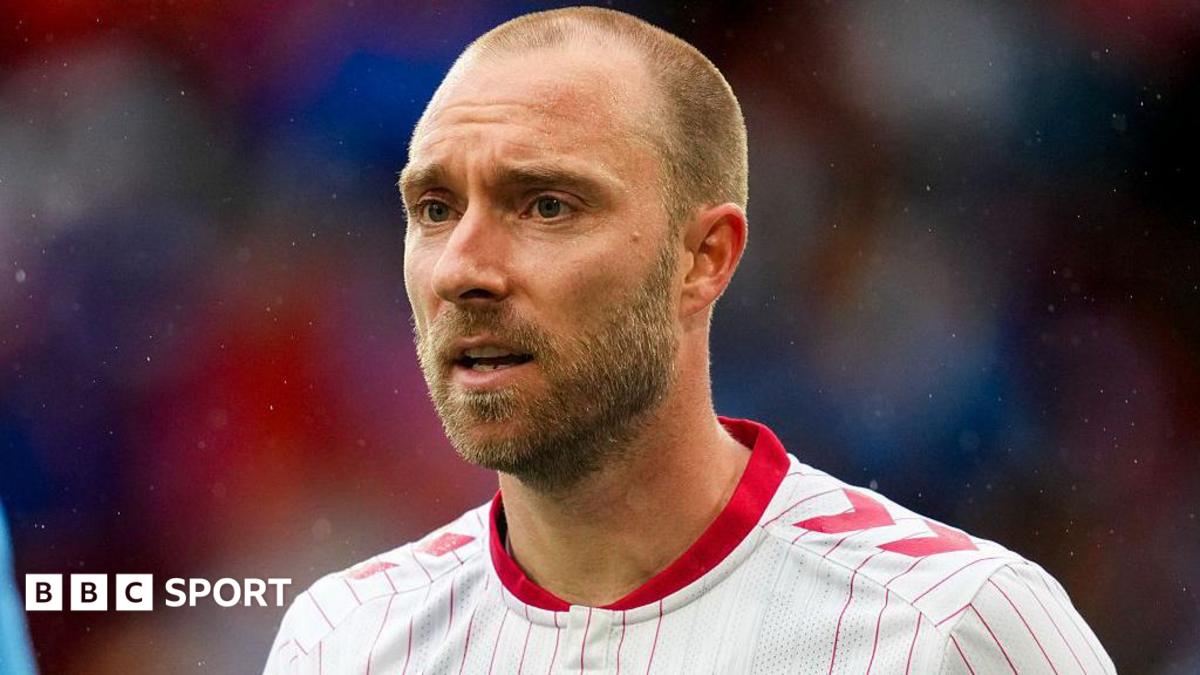
When Christian Eriksen collapsed during Denmark’s 2-1 friendly victory over Ukraine on Sunday, he was helped by a device fitted to support his heart after he suffered a cardiac arrest during a Euro 2020 match. The incident has renewed attention on implantable cardioverter defibrillators, or ICDs, and the questions surrounding whether elite athletes should be allowed to compete with them.
An ICD is designed to monitor the heart and deliver a shock if it detects a dangerous rhythm. For athletes, that means the device can be a life-saving safeguard, but it also raises difficult sporting and medical issues. The BBC Sport article explores how these devices work, why they are used, and what happens when they activate during play.
What an ICD does for athletes
ICDs are fitted to help protect people who are at risk of sudden cardiac arrest. In Eriksen’s case, the device was installed after his collapse at Euro 2020, allowing him to continue his career under medical supervision. The article explains that the ICD constantly tracks the heartbeat and can intervene automatically if it detects a potentially fatal problem.
That protection is the main reason some athletes are able to return to competition after serious heart events. However, the presence of the device does not remove all risk. Questions remain about whether the physical demands of elite sport could trigger the device, and what the consequences might be for the player and those around them.
What happens when the device goes off?
When an ICD activates, it delivers a shock intended to restore a normal rhythm. That shock can be sudden and alarming, especially if it happens during a match or training session. The BBC Sport piece highlights the concern that such an event could affect not only the athlete, but also team-mates, coaches and medical staff who witness it.
One quoted view in the article says: “I’m not so sure players should be allowed to play with an ICD. [I would be worried about] the impact on all the team-mates and staff if something happens. You have to consider the consequences if something was to go wrong.”
The debate is therefore not only about medical safety, but also about the practical and emotional impact of a device going off in a live sporting environment. Eriksen’s case has once again brought that discussion into focus, showing how modern medicine can extend careers while also creating new questions for football authorities and doctors.
A wider debate for football
Eriksen’s collapse and recovery have made him one of the most closely watched examples of an athlete competing with an ICD. His return to football demonstrates what is medically possible, but the article makes clear that opinions differ on whether it should be permitted in all cases.
As football continues to balance player welfare, medical innovation and the demands of elite competition, ICDs remain a subject of careful scrutiny. The discussion sparked by Eriksen’s latest collapse is likely to continue well beyond this match.
Your global gateway to nonstop football coverage:
News Goal
Share this content: