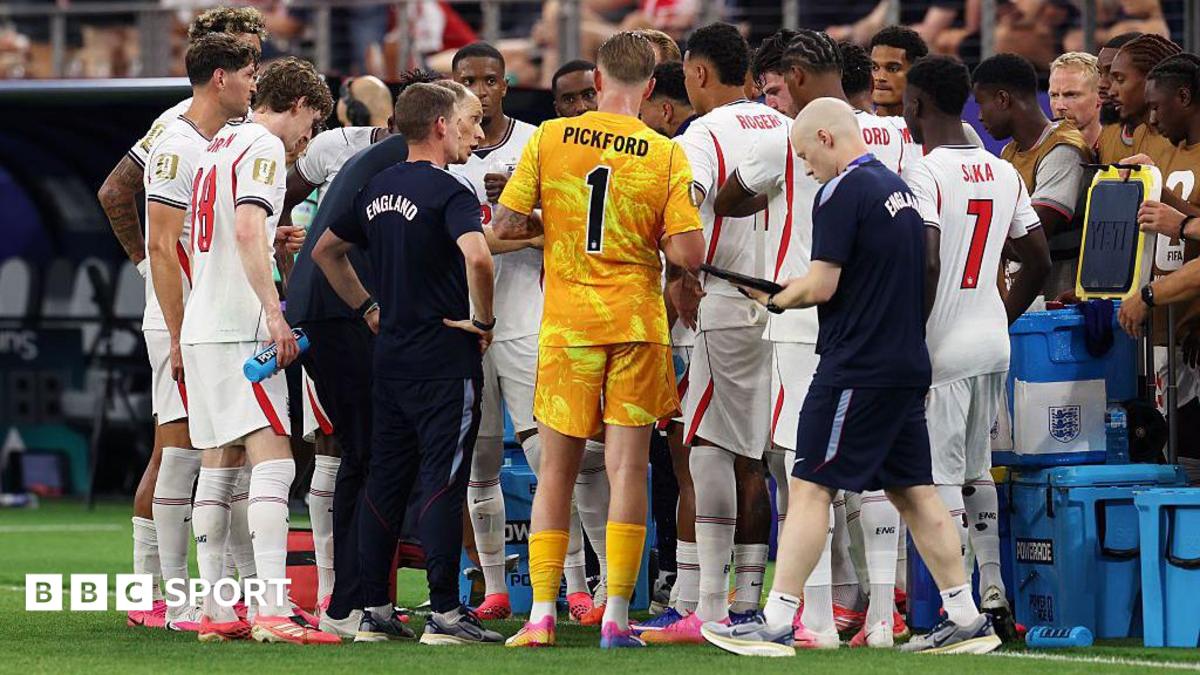
Football’s commercial model keeps expanding into every available broadcast window, and hydration breaks have become one of the clearest examples of that trend. BBC reporting on the subject frames the debate around a lucrative but unpopular advertising opportunity, with the central question being whether these short pauses are now too valuable for organisers to abandon.
The source describes the concept as a “heavily jeered” goldmine, which captures the tension at the heart of modern football: supporters want the game to flow, while rights holders and governing bodies are under constant pressure to monetise elite competitions more aggressively. Even a brief stoppage can be turned into inventory for sponsors, and that makes hydration breaks attractive to tournament organisers looking for new revenue streams.
Why the commercial case matters
The BBC’s reporting points to a scale that is hard to ignore. It cites four minutes and 20 seconds per match, or seven hours, 30 minutes and 40 seconds across the tournament. Those numbers help explain why the issue is more than a minor broadcast detail. In a sport where margins are increasingly measured in sponsorship value, ad exposure and global reach, a few extra minutes of controlled stoppage time can carry significant financial weight.
That commercial logic is especially relevant for FIFA, where the global audience offers huge monetisation potential but also brings sharper scrutiny from fans who are often less tolerant of overt advertising. The source’s quoted line suggests that UEFA and the Premier League may be less exposed to the backlash because they already operate in mature commercial markets. In other words, supporters in those competitions are more accustomed to the trade-off between football and business, even if they do not necessarily welcome it.
What it means for supporters and the game
For supporters, the debate is not just about advertising. It is about the shape of the match itself. Hydration breaks interrupt rhythm, affect momentum and can alter the tactical flow of a contest. Managers may use them to reset pressing structures, adjust defensive lines or deliver instructions that would otherwise have to wait until half-time. That makes the issue relevant on the pitch as well as in the boardroom.
There is also a broader concern about where football draws the line. Once a commercial idea proves profitable, it tends to spread. If hydration-break ads are accepted as normal in one competition, other organisers may follow. That is why the BBC framing matters: this is not simply a discussion about a sponsor logo on a screen, but about whether football’s most visible pauses are becoming another asset to sell.
For now, the source suggests the debate is still open. But the financial incentive is obvious, and that means supporters should expect the argument to continue wherever broadcast revenue and tournament economics remain central to the sport’s future.
Source note: This article was prepared using publicly available information from BBC Sport and expanded with editorial context.
Share this content: