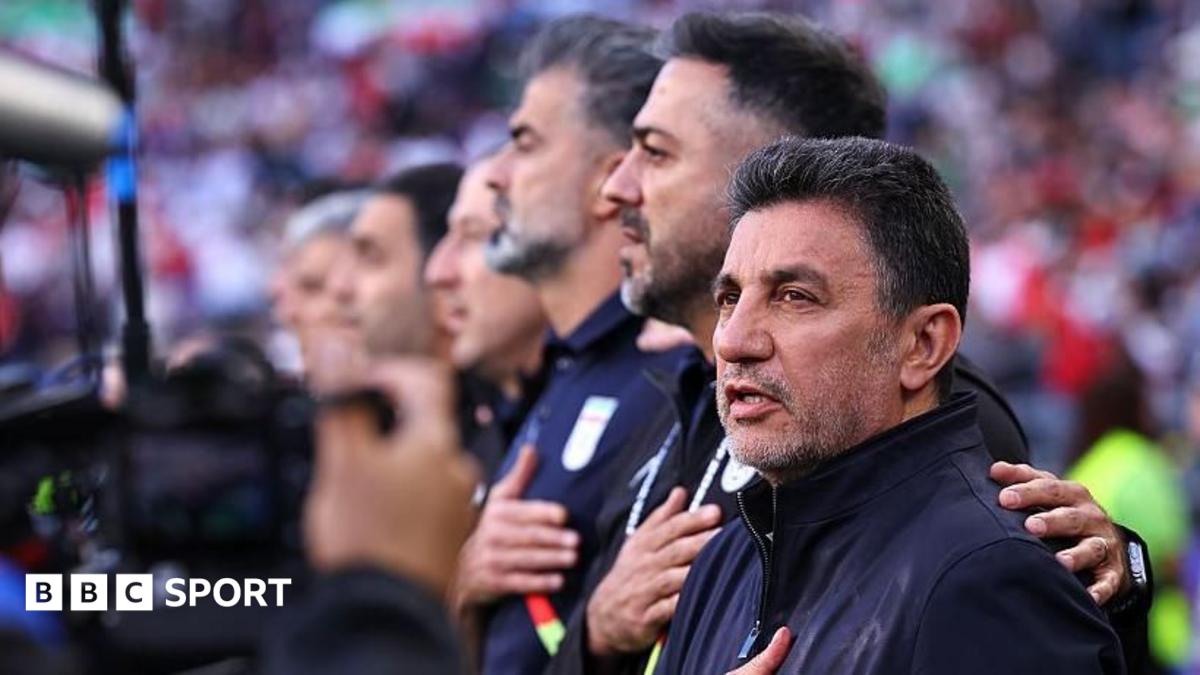
Iran coach Amir Ghalenoei has used a World Cup-related interview to raise concerns about how his country has been treated by the United States, saying Iran have been dealt with unfairly and urging FIFA to take a closer look at any similar issues in future. The comments add a political edge to a football story that sits well beyond the pitch, but they also reflect the wider tensions that can shape international tournaments as much as tactics or form.
What Ghalenoei’s comments mean
For Iran, the issue is not only about one complaint from one coach. It speaks to the reality that national teams can enter major tournaments carrying off-field frustrations that affect preparation, travel, administration and the overall sense of equality between competing nations. When a coach of Ghalenoei’s standing publicly says his team have been treated unfairly, it inevitably puts pressure on the governing bodies to explain how such concerns are handled.
FIFA’s role is central here. International football depends on the idea that every team is treated on the same terms, regardless of politics or geography. That is especially important at the World Cup, where the tournament is supposed to be the sport’s most neutral stage. Ghalenoei’s call for intervention suggests Iran want more than a complaint to be noted; they want a formal safeguard against future problems.
Why supporters should care
For supporters, this story matters because it shows how football can become a proxy for broader diplomatic and organisational disputes. Fans often focus on line-ups, results and qualification paths, but the conditions around a team can influence morale and the sense of fairness that underpins international competition. If a national side feels it is being treated differently, that can quickly become part of the narrative around the team’s World Cup campaign.
There is also a tactical and competitive angle. Coaches prefer to keep attention on training, selection and match plans, yet off-field distractions can affect focus. In a tournament environment, even small administrative issues can become amplified. That is why comments like Ghalenoei’s are more than a passing headline: they are a reminder that the World Cup is not only about what happens during 90 minutes, but also about the structures that support or hinder teams behind the scenes.
BBC Sport’s report does not add further detail on the specific incidents behind Ghalenoei’s remarks, so the immediate takeaway is limited to the coach’s public criticism and his appeal for FIFA to be more active in the future. Still, the message is clear enough: Iran want the governing body to ensure that no nation feels disadvantaged before the action even begins.
Source note: This article was prepared using publicly available information from BBC Sport and expanded with editorial context.
Share this content: