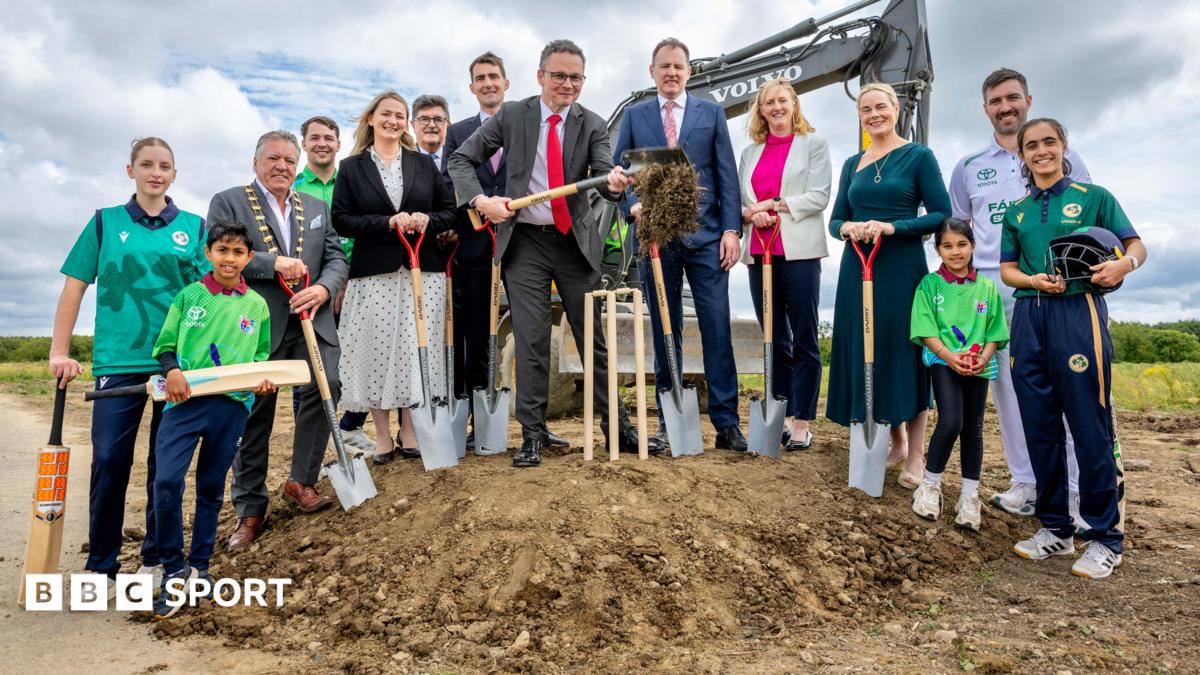
Cricket Ireland’s long-term stadium project has taken another step forward, with chief executive Sarah Keane saying the venue remains “on track” to be ready for the 2030 men’s T20 World Cup. For supporters, that is more than a construction update: it is a sign that Irish cricket continues to push toward a more permanent home at a time when the game’s profile in the country is still growing.
The BBC report is brief, but the significance is clear. A modern stadium is central to any nation hoping to host major international cricket, particularly in the shortest format, where atmosphere, broadcast presentation and venue readiness all matter. If Ireland can deliver on schedule, it would strengthen the country’s case as a credible host and give the national side a more stable base for future fixtures.
Why the stadium matters for Irish cricket
For Ireland, infrastructure has long been part of the wider development conversation. A new stadium is not just about one tournament; it is about building a platform for regular international cricket, stronger commercial opportunities and a better matchday experience for fans. In practical terms, a venue ready for a World Cup would also help Cricket Ireland attract more high-profile games and potentially support the growth of the domestic game.
From a sporting perspective, the timing is important. The men’s T20 World Cup is one of cricket’s most visible global events, and host readiness is judged not only by facilities but also by how well a country can stage matches, manage crowds and present a polished tournament environment. Keane’s comments suggest the project is still aligned with those expectations.
What it means for supporters and the wider game
For Irish fans, the promise of a new stadium carries emotional weight as well as logistical value. It represents progress, ambition and a chance to see the national team in a venue built for the modern game. It also reflects the broader challenge for emerging cricket nations: turning occasional international success into lasting infrastructure and stronger participation.
There is still a long way to go before 2030, and the BBC report does not provide a detailed construction timeline or specific milestones. But the key takeaway is encouraging: according to Cricket Ireland’s chief executive, the project remains on schedule. That should reassure supporters that the country’s World Cup ambitions are still alive and that the foundations for a more ambitious era in Irish cricket are being laid.
As the years toward 2030 unfold, the stadium will be watched closely not only as a building project but as a symbol of how far Irish cricket can go on and off the field.
Source note: This article was prepared using publicly available information from BBC Sport and expanded with editorial context.
Share this content: