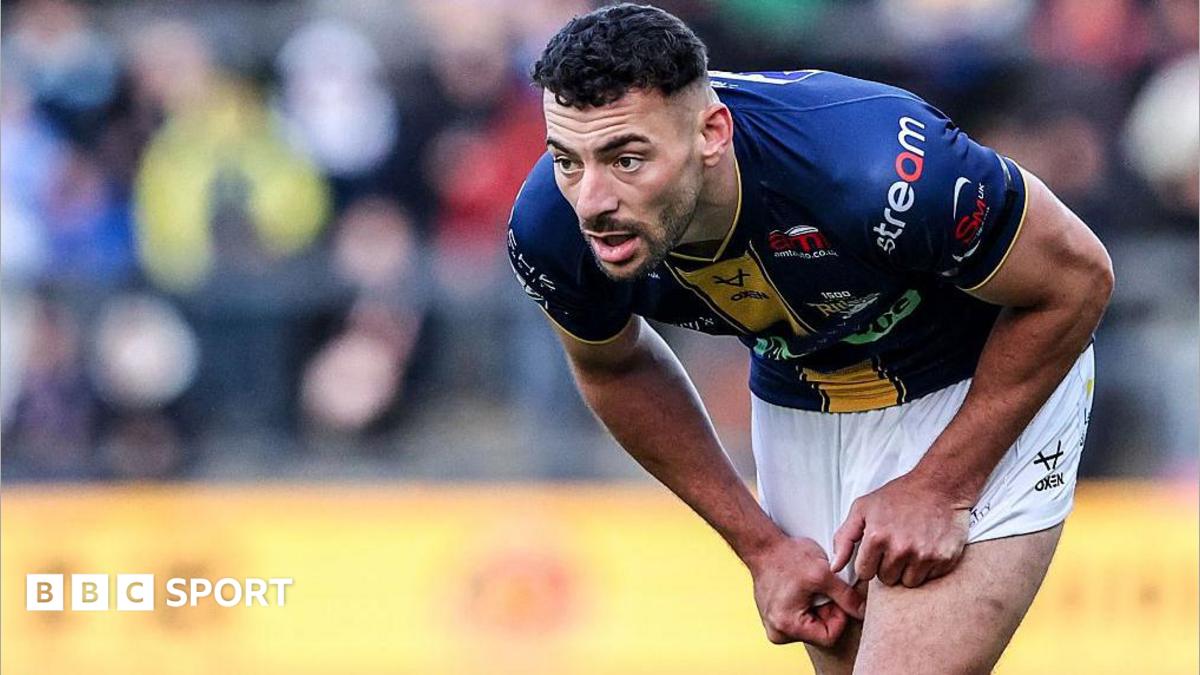
Brian McDermott’s first England squad has delivered an immediate talking point: Jake Connor is back in the international picture. The Leeds Rhinos playmaker, who was controversially omitted from Shaun Wane’s Ashes group last autumn, has been recalled after seven years away from England duty.
The headline selection sits within a wider reset. McDermott has named an expanded 38-man performance squad ahead of this year’s World Cup, and 10 of those players are uncapped. That mix of established names and fresh faces suggests an England set-up looking to widen its options rather than lean only on the core that fell to a 3-0 series defeat against Australia in the Ashes.
What Connor’s return says about England’s direction
Connor’s inclusion is significant because it points to a more open selection approach. England have been searching for greater creativity and control in the halves, and bringing back a player with Connor’s experience and recent recognition as Man of Steel indicates McDermott is willing to revisit proven talent rather than simply move on from previous omissions.
For supporters, the recall will feel like both a correction and a statement. Connor’s absence from the Ashes squad was one of the more debated decisions of the winter, and his return gives England another established option as they shape a World Cup pool that must balance form, fitness and combinations.
Uncapped players underline the depth of the wider pool
The other major feature of the squad is the number of uncapped players. That is a clear sign that England are not only planning for the tournament itself, but also testing the depth of the player pool in case injuries, form swings or tactical changes force adjustments later in the campaign.
The squad list is heavily drawn from Super League and the NRL, with representation from clubs including Wigan Warriors, Leeds Rhinos, Warrington Wolves, Hull KR, St Helens and several Australian-based sides. That spread matters because it gives England a broader range of physical profiles and playing styles, from domestic consistency to NRL-tested intensity.
From a tactical standpoint, McDermott’s group appears designed to keep competition alive across key positions. A larger squad can sharpen standards in training and allow England to assess combinations before the World Cup begins in earnest. It also gives the coach room to judge whether the team needs more pace, more size, or more ball-playing quality in the spine.
For England fans, the message is encouraging even if the process is still at an early stage: the new coach is not treating the squad as fixed. Connor’s recall offers a familiar name with unfinished international business, while the uncapped contingent gives the team a chance to build something more flexible than the one that struggled in the Ashes.
Source note: This article was prepared using publicly available information from BBC Sport and expanded with editorial context.
Share this content: