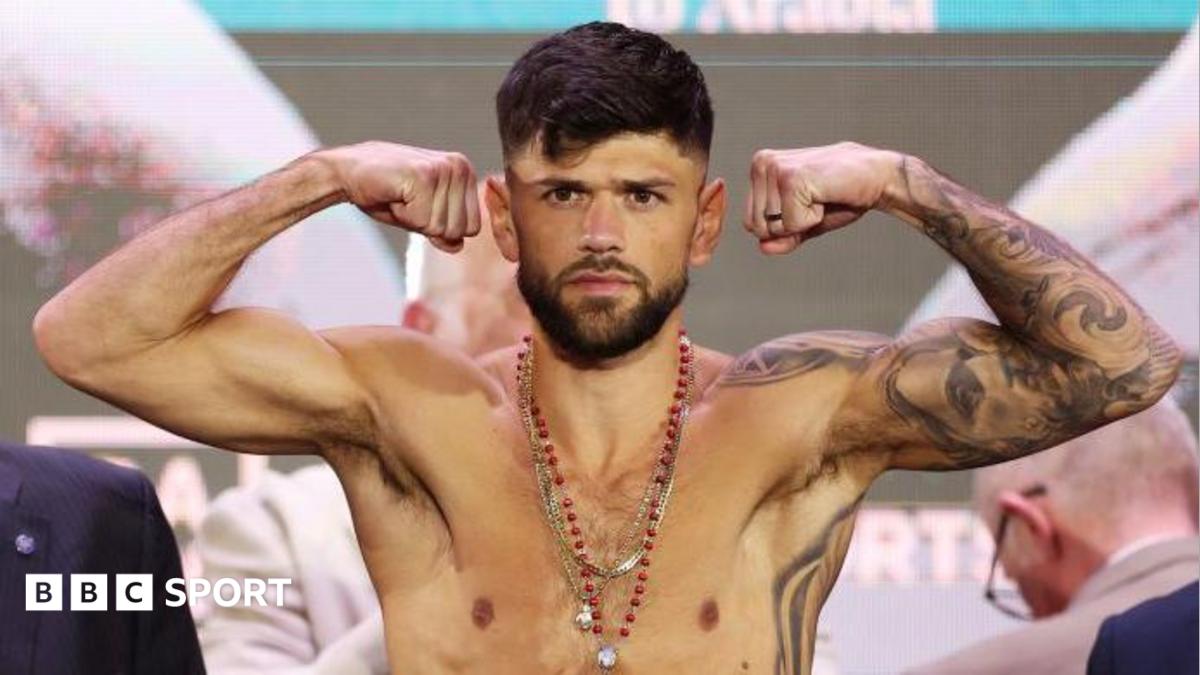
Joe Cordina’s planned WBO lightweight title fight against American Abdullah Mason has been called off after the Welsh boxer said he was denied entry to the United States. For Cordina, the cancellation is more than a scheduling setback: it removes a high-profile opportunity to reassert himself on the world stage and interrupts the momentum that a title fight can generate for a fighter trying to stay relevant in a crowded division.
The immediate consequence is obvious. A world-title contest disappearing at short notice affects training camps, promotional plans and the broader rhythm of a boxer’s year. For supporters, it is another reminder of how fragile fight nights can be when travel, paperwork and border issues become part of the story. In boxing, where careers are often built on timing as much as talent, a cancelled title shot can have real sporting and commercial consequences.
What the cancellation means for Cordina
Cordina has been one of Welsh boxing’s most recognisable names in recent years, and any world-title opportunity carries significance beyond a single result. A fight against Mason would have offered a chance to test himself against an American opponent in a meaningful lightweight contest, with the WBO belt adding immediate stakes. Instead, the focus now shifts to what comes next: whether the bout can be rescheduled, whether a replacement opponent emerges, or whether Cordina must wait for another route back into title contention.
From a competitive standpoint, the delay matters because lightweight remains one of boxing’s deepest and most active divisions. Fighters at this level cannot afford long periods of inactivity if they want to preserve ranking position, sharpness and negotiating leverage. A cancelled title fight can also alter the perception of a boxer’s trajectory, especially when the bout was expected to provide a clear marker of where he stands among the division’s leading names.
Why visa issues matter in modern boxing
Visa problems are not just administrative noise; they can reshape matchmaking and force promoters to rethink entire cards. When a fighter is unable to travel, the ripple effect can hit broadcasters, venues and undercard fighters who prepared around the original main event. That makes this kind of cancellation especially frustrating for fans, who are left without the contest they had been promised.
For Mason, the cancellation also removes a chance to build his profile in a title fight setting. For Cordina, it is a reminder that even at elite level, circumstances outside the ring can determine when and where a boxer gets his next major opportunity. Until there is clarity on whether the fight can be rearranged, both camps will be left dealing with the sporting and logistical fallout.
BBC Sport reported the cancellation after Cordina said he had been denied entry to the United States.
Source note: This article was prepared using publicly available information from BBC Sport and expanded with editorial context.
Share this content: