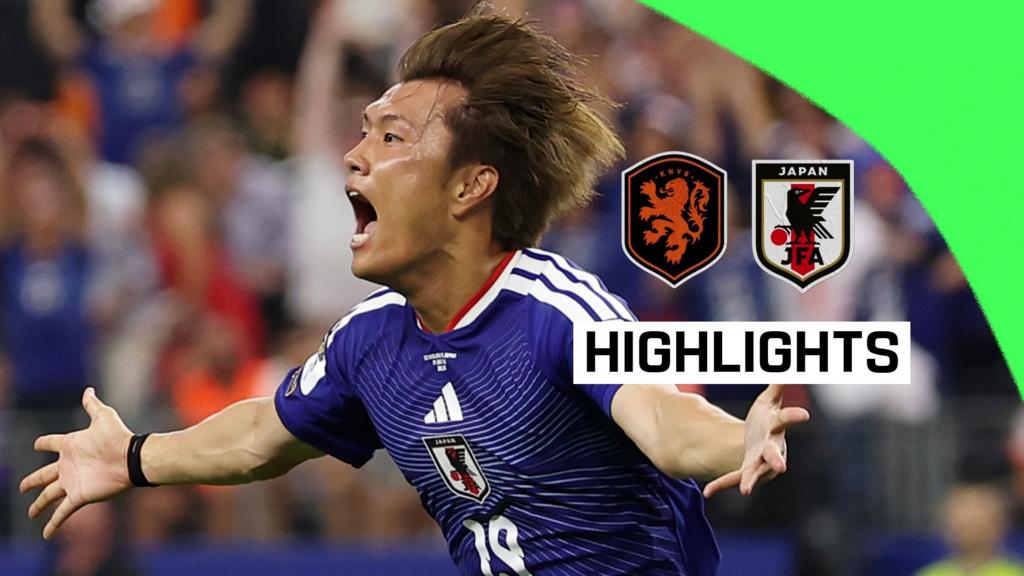
Japan’s opening World Cup fixture against the Netherlands ended in a 2-2 draw in Dallas, with Daichi Kamada’s late header ensuring Hajime Moriyasu’s side left with a point after a contest that swung back and forth. The result matters not only because it preserves Japan’s momentum in the group stage, but because it underlines a familiar trait of this team: resilience under pressure and the ability to stay in games even when the scoreboard turns against them.
Japan show resilience in a difficult opener
According to the BBC source, Japan came from behind twice before Kamada’s late intervention rescued what was described as a deserved point. That detail is important. In tournament football, especially in an opening match, the ability to respond after conceding can shape the tone of an entire campaign. Japan have built a reputation in recent years for organisation, discipline and technical quality, and this result fits that profile. Rather than collapsing after setbacks, they kept finding a way back into the contest.
For supporters, that is encouraging. A draw against a heavyweight opponent in the Netherlands is not a statement of perfection, but it is a strong platform. It suggests Japan can compete in a game that demanded concentration, patience and belief. The fact that the equaliser came late also points to a team that remained mentally engaged until the final moments, a crucial trait in World Cup football where margins are often decided by one set piece, one run, or one header.
Kamada’s impact and what it means for the group
Daichi Kamada’s contribution will draw attention because late goals in tournament openers often carry more weight than the point itself. A decisive header in that situation can lift a squad, validate the manager’s approach and give the dressing room confidence that chances can still be created under pressure. Kamada has long been valued for his intelligence between the lines and his ability to arrive in dangerous areas, and this finish reinforces his importance in Japan’s attacking structure.
From a tactical perspective, the match also hints at Japan’s willingness to keep pushing rather than settling for damage limitation. Coming from behind twice and still finding a way to level the score suggests a side capable of adapting during the game. That flexibility could prove vital as the tournament progresses, particularly if Japan face opponents who try to control possession or force them into reactive football.
For the Netherlands, the draw will feel like a missed opportunity after twice taking the lead. For Japan, it is a point that could become significant later in the group. Opening matches often define the emotional temperature of a campaign, and this one gives Japan both belief and evidence that they can recover when the game becomes difficult. Kamada’s late header may end up being remembered as more than a single goal; it could be the moment that set the tone for Japan’s tournament.
Source note: This article was prepared using publicly available information from BBC Sport and expanded with editorial context.
Share this content: