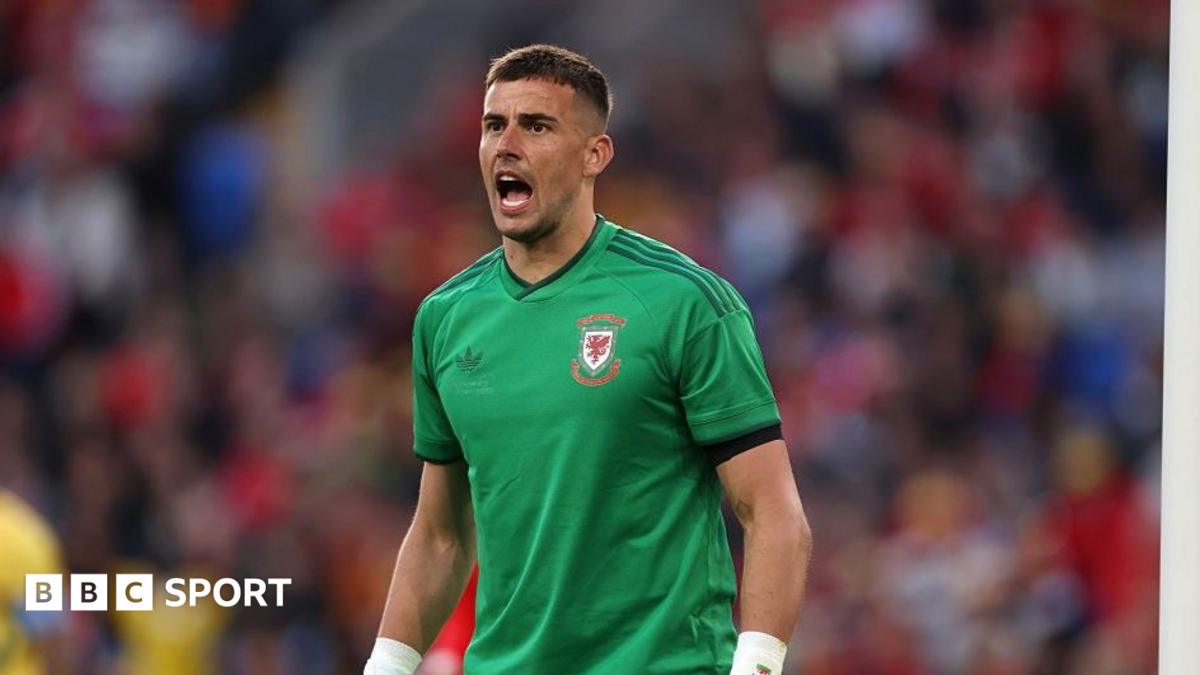
Manchester United have moved to strengthen their goalkeeping department by signing Karl Darlow on a two-year contract, with the option of a further season. The deal arrives shortly after his departure from Leeds United and gives United an experienced domestic option at a position where depth and reliability can matter just as much as headline-grabbing attacking signings.
Darlow’s arrival is notable because it reflects a pragmatic piece of squad planning rather than a blockbuster transfer. For a club of United’s size, the goalkeeper conversation is usually dominated by the first-choice shirt, but the modern season is long, unpredictable and often shaped by injuries, rotation and the need for dependable cover. Bringing in a player with Premier League and Championship experience is a sensible way to reduce risk across a campaign.
Why this move matters for Manchester United
Transfers like this can be easy to overlook, yet they often prove important over the course of a season. A goalkeeper signing is not only about the starting XI; it is about training standards, competition, and ensuring the manager has trusted options if circumstances change. Darlow’s presence should help United maintain stability behind the scenes, especially if the club wants to avoid being exposed by a lack of senior cover.
For supporters, the deal may not carry the excitement of a marquee arrival, but it does suggest a club thinking carefully about squad balance. In a season where every point can shape the mood around Old Trafford, dependable depth can be just as valuable as star power. If United are aiming to compete on multiple fronts, the ability to call on an experienced goalkeeper without disrupting the structure of the squad is a useful advantage.
What Darlow brings after Leeds exit
Darlow’s move also adds an interesting layer of rivalry context, given his recent spell at Leeds. Players who cross between major English clubs often bring a different perspective on pressure, expectation and the demands of high-profile environments. That background can be useful in a dressing room where standards are constantly scrutinised.
From a footballing point of view, the key question is how quickly he settles into United’s setup and what role he is expected to play. The contract length suggests a medium-term plan rather than a short emergency fix, which implies the club sees value in his experience beyond immediate cover. For Leeds supporters, his departure is another reminder of how quickly squads can change once the transfer market opens up.
BBC Sport reported the signing, and while the announcement is straightforward, the wider implication is clear: United are continuing to shape a squad that can cope with the demands of a full season. In a market where many deals are judged by glamour, this one is about structure, depth and reliability.
Source note: This article was prepared using publicly available information from BBC Sport and expanded with editorial context.
Share this content: