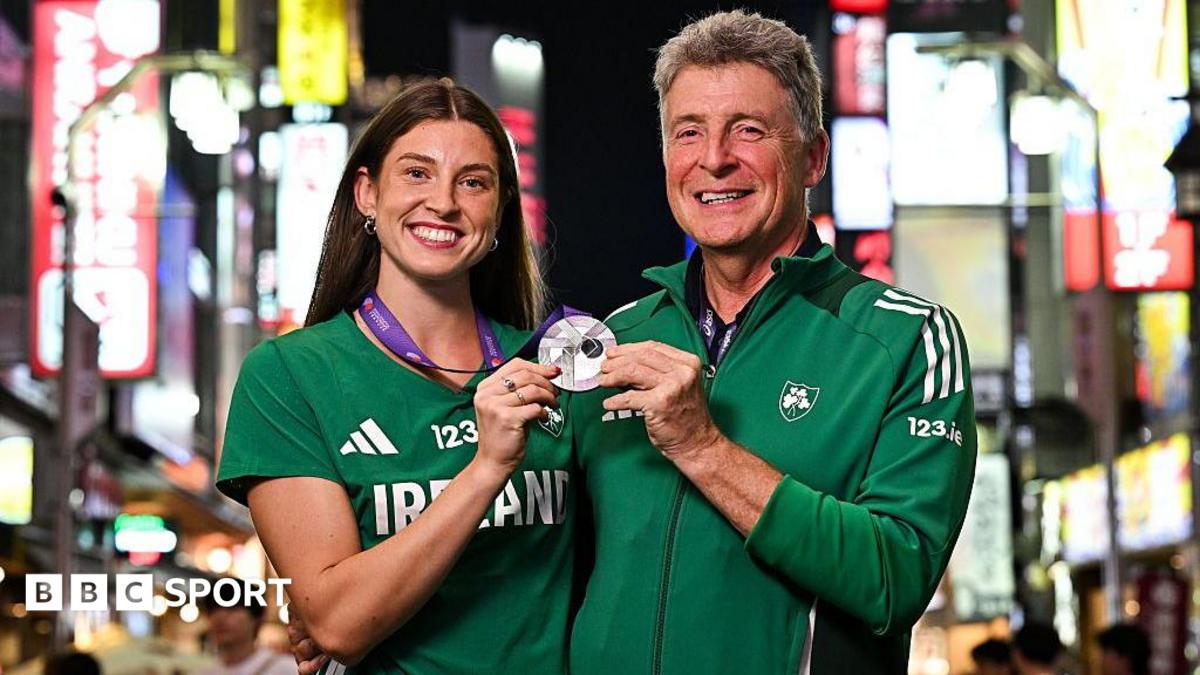
Kate O’Connor’s latest comments offer a reminder that elite sport is not always built on neat, conventional structures. In her case, the coaching relationship sits inside the family home as well as on the track, with father Michael guiding her since she was 10. That kind of setup can be difficult to manage, but O’Connor says it continues to work because he understands the different roles he has to play.
For a heptathlete, that balance matters. The event demands consistency across seven disciplines, technical precision and a level head over two days of competition. A coach who knows an athlete’s habits, strengths and pressure points can be a major advantage, especially in a multi-event environment where small errors can quickly add up. O’Connor’s remarks suggest that the family connection has become part of her sporting identity rather than a distraction from it.
A long-term partnership with built-in challenges
Coaching a child from the age of 10 to senior level is rarely straightforward. The BBC report makes clear that O’Connor sees the arrangement as complicated, but not broken. That distinction is important. It implies a working relationship that has survived the transition from youth athlete to established competitor, which is often where family-led coaching setups are tested most severely.
For supporters in Northern Ireland, the story also speaks to the realities of developing athletes outside the biggest performance systems. Progress in athletics is often shaped by trust, continuity and access to the right guidance over many years. O’Connor’s path shows how a stable coaching base can help an athlete stay on course through the long grind of training, selection and competition.
What it means for O’Connor and Northern Ireland sport
There is also a broader sporting lesson here. Athletes in technical events frequently need a coach who can adapt to changing needs without losing authority. O’Connor’s description of her father fitting into different roles suggests a relationship built on flexibility, which may be one reason it has lasted so long. That kind of adaptability can be especially valuable in heptathlon, where preparation must cover sprinting, jumping, throwing and endurance work.
While the source is brief, it still points to a familiar truth in elite athletics: success is often shaped as much by the environment around the athlete as by raw talent alone. O’Connor’s comments underline that her development has been supported by a coaching relationship that is personal, demanding and, by her own account, effective. For fans following Northern Ireland athletes, that makes her progress worth watching not only for results, but for the resilience behind them.
Source note: This article was prepared using publicly available information from BBC Sport and expanded with editorial context.
Share this content: