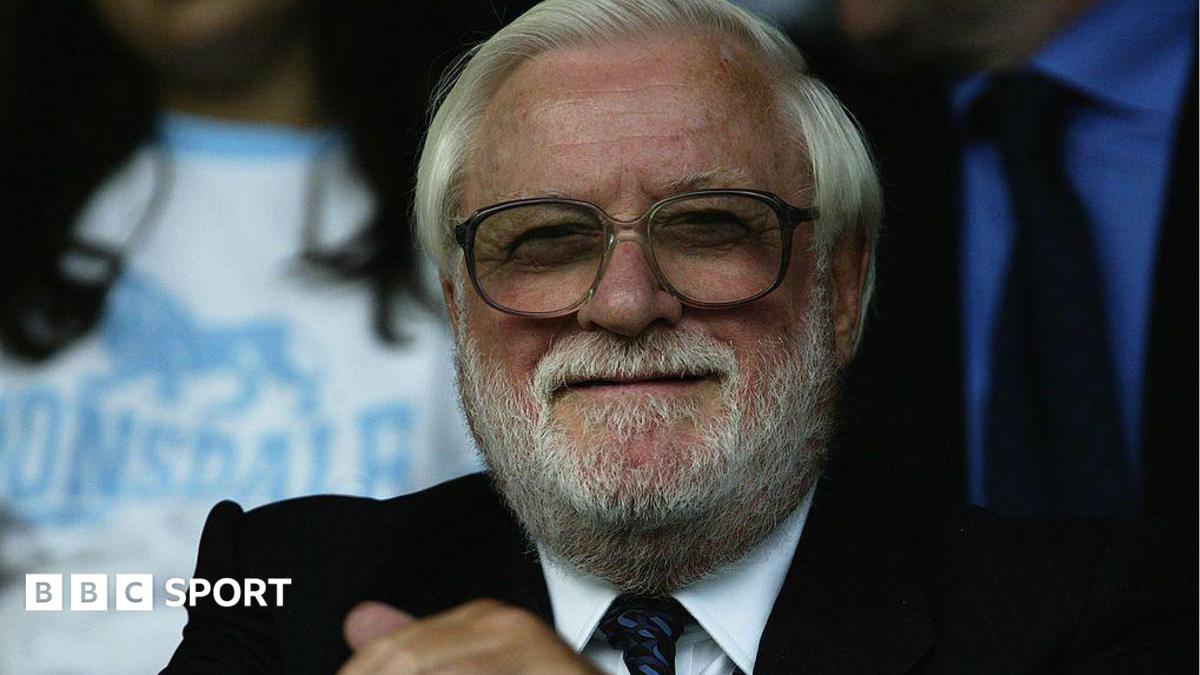
Ken Bates has died aged 94, bringing to an end a life that left a deep imprint on English football far beyond the touchline. While he was never a manager or a player, Bates became one of the sport’s most recognisable power brokers, a figure whose influence stretched across boardrooms, ownership debates and the wider politics of the game.
BBC Sport’s description of Bates as “colourful, controversial – and highly significant” is a fair summary of the way he is likely to be remembered. In football, those three labels often travel together, but in Bates’ case they reflected a long career spent at the centre of major decisions and public arguments. For supporters, that meant his name was rarely far from the headlines, whether welcomed as a force for change or criticised as a symbol of confrontation.
A major figure in football’s modern era
Bates’ significance lies in the fact that he helped shape the modern conversation around how clubs are run. Football in England has changed dramatically over the past few decades, with ownership models, stadium issues, financial pressure and supporter trust becoming central themes. Bates was part of that evolution, and his presence in the game made him a reference point whenever those debates resurfaced.
That kind of influence is not always easy to measure in goals or trophies, but it matters. Administrators can alter the direction of a club as decisively as a coach can alter a team’s style. Bates’ career is a reminder that football history is written not only by those on the pitch, but also by those who control the structures around it.
What his death means for supporters
For many supporters, Bates will be remembered through the lens of strong opinions. Some will associate him with bold leadership and a willingness to confront difficult issues. Others will recall the controversies that followed him and the tensions that often surrounded his time in football. That split reaction is part of why his death matters: it closes the story of a man who was impossible to ignore.
In an era when football clubs are increasingly judged on transparency, governance and long-term stability, Bates’ legacy will continue to be discussed as part of the sport’s wider administrative history. His death does not settle those debates, but it does prompt reflection on how much the game has changed, and how much of that change was shaped by figures like him.
For readers and supporters alike, the news is less about a single club or match and more about the passing of a personality who helped define an era. Bates was controversial, yes, but he was also significant in ways that ensured his name would remain part of football’s modern story.
Source note: This article was prepared using publicly available information from BBC Sport and expanded with editorial context.
Share this content: