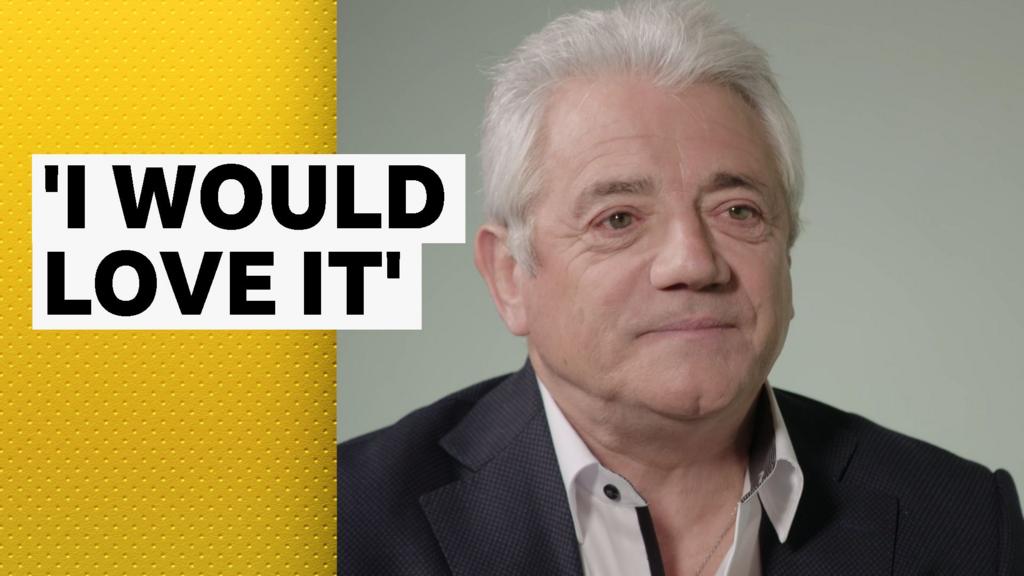
Kevin Keegan’s place in English football is defined by more than medals and managerial milestones. The BBC’s Football Focus clip, recorded in 2018, revisits a career that helped shape the modern game at both club and international level, while also reminding supporters why Keegan remains one of the sport’s most recognisable figures.
In the interview with Dan Walker, Keegan looks back on the moments that made his reputation: winning World Player of the Year twice, leading England, and becoming part of football folklore through the famous “I would love it” line from Newcastle United’s 1995-96 title chase. Those reference points matter because they capture the different sides of Keegan’s legacy — elite player, high-profile manager and cultural icon.
A career that crossed eras
Keegan’s playing career placed him among the most influential English forwards of his generation, and the BBC clip underlines how his achievements still resonate. Winning World Player of the Year twice is rare recognition for any footballer, and it reflects the level he reached during an era when English players were not always given the same global profile they enjoy today.
His managerial career carried a different kind of pressure. Taking charge of England brought scrutiny that only a few English coaches experience, while his Newcastle spell became one of the defining narratives of the Premier League era. The “I would love it” remark has long outlived the original context because it captured the emotion, ambition and vulnerability that came with Newcastle’s pursuit of the title.
Why the interview still matters
For supporters, especially at Newcastle and Liverpool, the clip is more than nostalgia. It is a reminder of how one figure can connect different generations of the game. Keegan’s story sits at the intersection of player excellence, managerial expectation and the emotional language of football, which is why his legacy continues to be discussed long after his final touchline appearance.
The BBC’s decision to revisit the interview now also adds context to the wider appreciation of Keegan’s contribution. In an era when football discourse is often dominated by short-term results, his career offers a longer view: a player who reached the top individually, a manager who carried enormous public weight, and a personality whose words became part of the sport’s shared memory.
That is why the clip remains relevant. It is not simply a retrospective. It is a snapshot of how football remembers its most influential figures — through trophies, through pressure, and through the moments that supporters never forget.
Source note: This article was prepared using publicly available information from BBC Sport and expanded with editorial context.
Share this content: