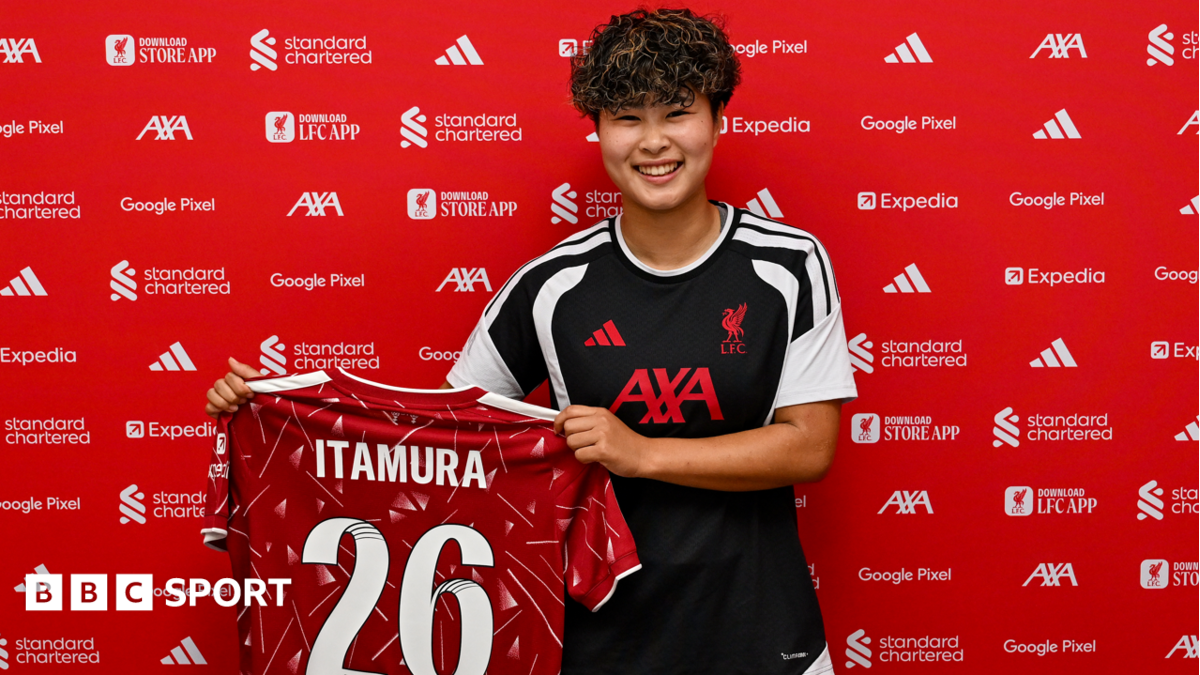
Liverpool have added attacking midfielder Mao Itamura from Feyenoord, a transfer that underlines the club’s continued effort to sharpen its options in the final third. While the source is brief, the move itself is significant: Liverpool are bringing in a player described as an attacking midfielder, which usually points to a role built around creativity between the lines, ball progression and support for the forward unit.
For supporters, this is the kind of signing that often signals more than simple squad depth. In the Women’s Super League, where margins are tight and games are frequently decided by moments of quality in advanced areas, adding another midfielder with attacking instincts can be just as important as recruiting a goalscorer. It gives a manager more ways to vary the build-up, overload central spaces and create chances against compact defensive blocks.
What the move suggests for Liverpool
Even without further detail on the fee, contract length or immediate role, the direction of the transfer is clear. Liverpool are looking to increase competition in a key area of the pitch. An attacking midfielder can help link midfield and attack, offer a different passing range, and provide the kind of movement that opens space for wide players and strikers. That tactical flexibility matters in a league where opponents often sit deep and force teams to be precise in possession.
The move from Feyenoord also hints at Liverpool’s willingness to look beyond the most obvious domestic market when strengthening the squad. That can be important for clubs trying to find players who fit a specific profile rather than simply chasing the biggest name available. For a side aiming to improve consistency, those targeted additions can be more valuable than headline-grabbing business.
Why it matters in the WSL context
In WSL terms, every addition is judged against the demands of a league that is becoming more competitive each season. Clubs need technical quality, tactical intelligence and adaptability, especially in midfield, where control of tempo often decides whether a team can dominate or is forced to chase the game. A signing like Itamura may not immediately tell the full story of Liverpool’s plans, but it does suggest a focus on creativity and control.
For Feyenoord, the departure removes an attacking midfielder from their ranks, while for Liverpool it offers a fresh option as they continue shaping their squad. The key question now is how quickly Itamura settles and how the club chooses to use her. If the adaptation is smooth, this could become one of those understated moves that ends up mattering over the course of a long season.
BBC Sport’s report is short on detail, but the footballing logic is easy to see: Liverpool have identified a creative midfielder and moved to bring her in. In a league where depth and tactical variety are essential, that is a sensible piece of business with potential value well beyond the headline.
Source note: This article was prepared using publicly available information from BBC Sport and expanded with editorial context.
Share this content: