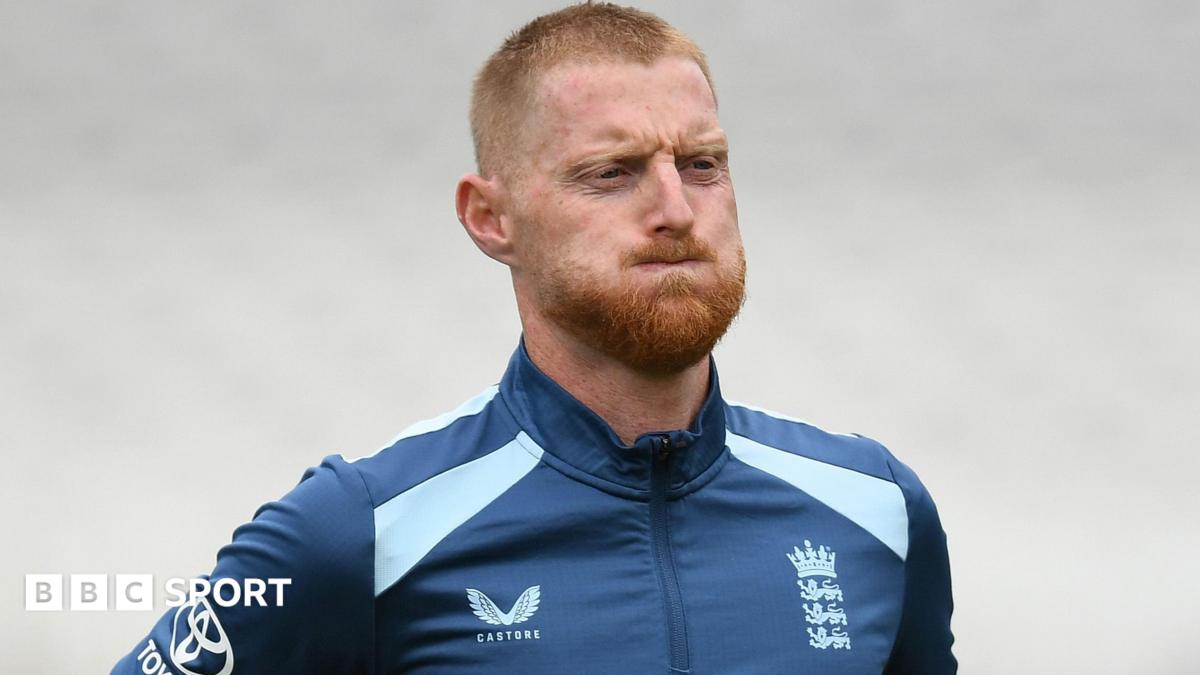
Ben Stokes’ latest off-field issue has quickly become more than a disciplinary footnote. When a figure as influential as Ian Botham publicly questions the England captain’s judgement, the conversation shifts from one isolated breach to a broader debate about standards, leadership and accountability in elite sport.
According to BBC Sport, Stokes was dropped after breaking a team curfew, prompting Botham to say he could not see “how you justify what happened.” That reaction matters because Botham is not just another former player offering an opinion; he is one of English cricket’s most recognisable voices, and his criticism will resonate with supporters who expect senior professionals to set the tone.
Why the curfew breach matters
Curfews are rarely about punishment for its own sake. They are usually part of a wider attempt to protect preparation, recovery and team discipline, especially in high-pressure environments where marginal gains can decide results. For a player of Stokes’ stature, any breach carries extra weight because captains and senior leaders are expected to model the standards they ask of others.
That is why the issue has become so sensitive. Stokes has long been viewed as one of England’s most important players, not only for his all-round ability but for the authority and edge he brings to the side. When that profile is paired with a disciplinary lapse, the scrutiny is inevitably harsher than it would be for a squad player.
Botham’s criticism and the leadership question
Botham’s comments also underline how quickly public perception can turn when discipline becomes the story. England’s management will now be judged not only on the decision to drop Stokes, but on whether the response is seen as proportionate and consistent. In modern international sport, that consistency is crucial: players and supporters alike want to know that standards apply to everyone.
For Stokes, the immediate challenge is reputational as much as practical. Even when a player’s on-field value is unquestioned, repeated headlines about conduct can affect how leadership is viewed inside and outside the dressing room. For England, the episode is a reminder that team culture is built as much on behaviour away from the pitch as on performances during it.
Supporters will also recognise the wider implication: this is not simply about one missed curfew, but about the tension between individuality and discipline in a team environment. England have often relied on Stokes’ intensity and competitive instinct, yet those same qualities can become a problem if they are not matched by control and responsibility.
Botham’s intervention ensures the story will not fade quickly. It has become a test of how England handle standards around one of their biggest names, and whether the captain can move beyond the incident without it defining the next phase of his leadership.
Source note: This article was prepared using publicly available information from BBC Sport and expanded with editorial context.
Share this content: