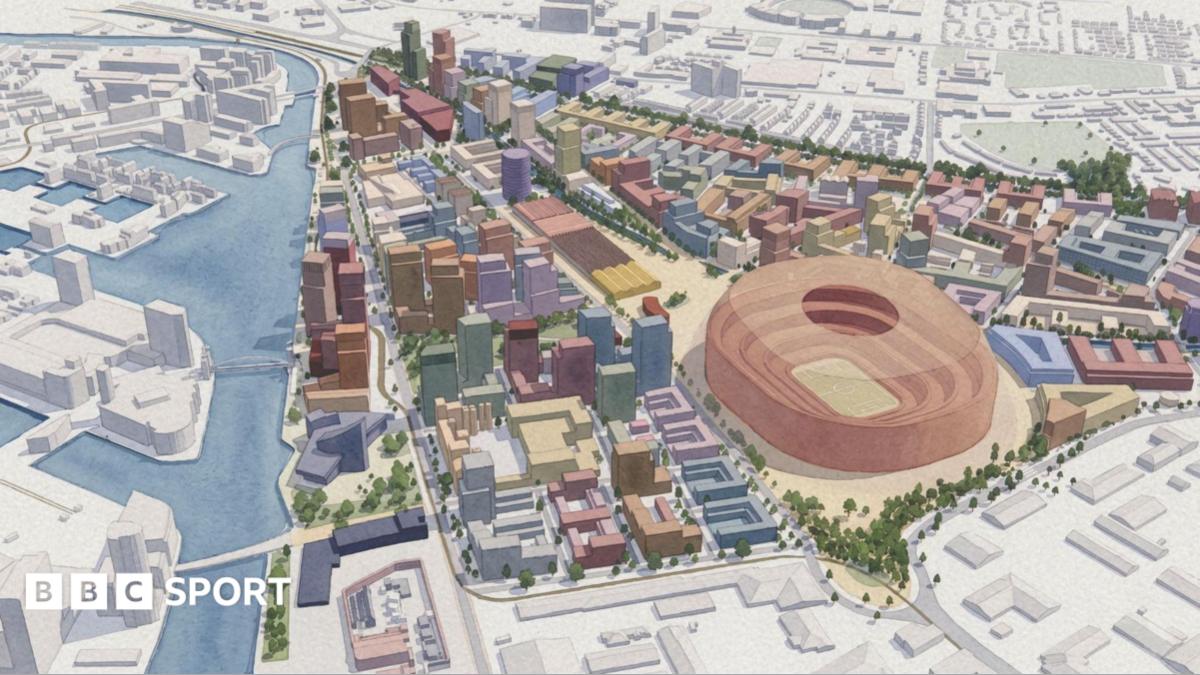
Manchester United have taken another visible step in their long-term stadium plans by revealing where their proposed 100,000-seater ground is expected to be built. The club says the new venue would sit approximately 350 metres north west of Old Trafford, placing it firmly within the club’s existing footprint rather than on a distant new site.
That detail matters. For supporters, it suggests continuity as much as change: a new stadium close to Old Trafford would preserve the club’s historic connection to the area while opening the door to a modern matchday experience. For a club of United’s size, the location is not just a planning issue but a statement about identity, access and ambition.
What the location means for Manchester United
Building so close to Old Trafford could help United keep the emotional link with the ground that has defined generations of fans, while also allowing the club to imagine a larger, more commercially powerful home. A 100,000-capacity stadium would place United among the biggest football venues in Europe and would underline the scale of the project the club is pursuing.
From a football perspective, the move reflects how top clubs increasingly view stadium infrastructure as part of competitive strategy. Matchday revenue, corporate facilities, fan experience and long-term redevelopment all feed into the modern game, and United’s announcement shows the club is thinking beyond the pitch. Even without a final build timeline in the source, the location reveal is an important milestone because it turns a broad ambition into something more concrete.
Why supporters will be watching closely
For United fans, any stadium project carries obvious emotional weight. Old Trafford is one of the most recognisable grounds in world football, but it has also become a symbol of the club’s need to modernise. A new stadium nearby would raise immediate questions about what happens to the current ground, how the transition would be managed and what the new matchday atmosphere might feel like.
There is also a wider sporting implication. Clubs that upgrade their stadiums often do so with an eye on future growth, and United’s proposed capacity suggests a desire to match their global support with infrastructure on a similar scale. The location announcement does not answer every question, but it does show the project is moving from concept to planning detail.
For now, the key takeaway is simple: Manchester United have identified where they want their next era to begin, and it is close enough to Old Trafford to keep the club’s history in view while signalling a new chapter ahead.
Source note: This article was prepared using publicly available information from BBC Sport and expanded with editorial context.
Share this content: