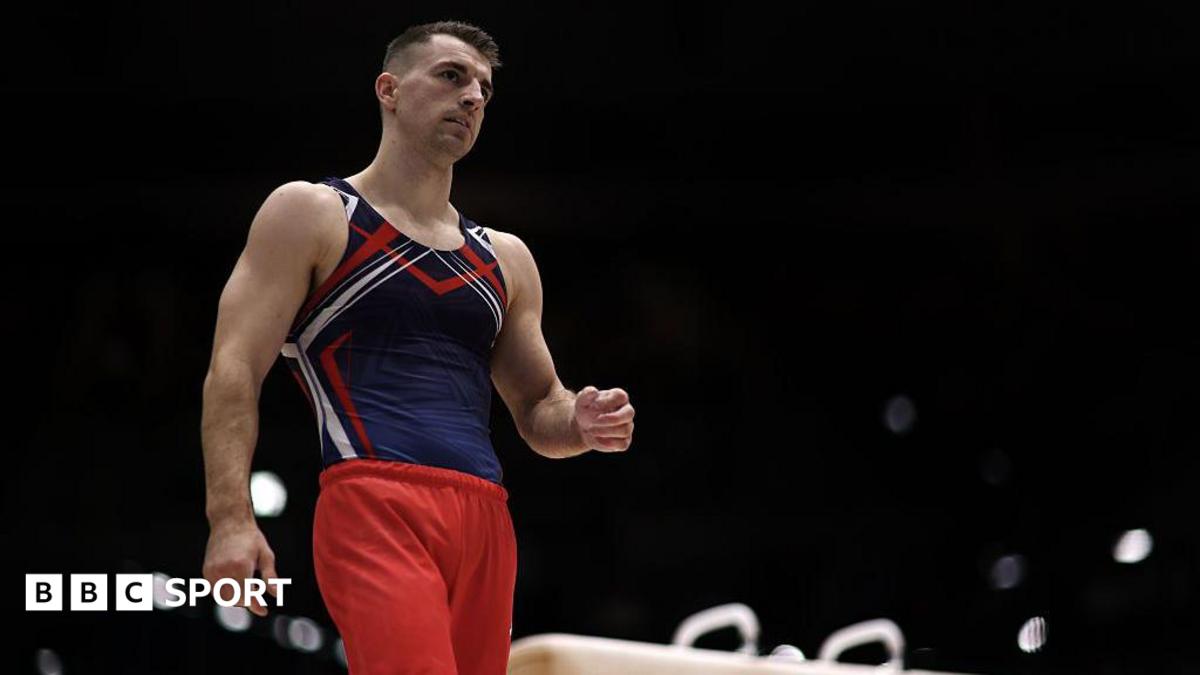
Max Whitlock’s withdrawal from the Commonwealth Games is a significant blow for the event and a reminder of how quickly elite preparation can be disrupted in the final stretch before major competition. The three-time Olympic gold medallist has pulled out after injuring his hand in training, leaving one of Britain’s most recognisable gymnastics figures on the sidelines.
For Whitlock, the timing is especially frustrating. At this stage of the build-up, athletes are usually focused on sharpening routines, managing load and protecting the small margins that decide podium finishes. A hand injury can be particularly disruptive in gymnastics because it affects grip, support work and the confidence needed on apparatus. Even a relatively minor issue can make competition unsafe or unwise if it compromises execution.
A major absence for the Games
Whitlock’s absence matters beyond one athlete’s personal disappointment. He has been one of the defining names in British gymnastics for more than a decade, and his presence at a multi-sport event often carries weight well beyond medal prospects. For supporters, his withdrawal removes a headline act and a familiar figure whose performances have helped shape the profile of the sport in the UK.
The BBC report also places Whitlock’s exit in a wider context of high-profile withdrawals from the Games in Scotland. Australian five-time Olympic backstroke champion Kaylee McKeown had already pulled out last week after being diagnosed with glandular fever. While the sports are different, the pattern is the same: major championships can lose star power quickly when health issues intervene.
What it means for Britain and the competition
From a British perspective, Whitlock’s withdrawal changes the competitive picture and the emotional tone around the gymnastics programme. His experience and reputation often bring a sense of stability to a team environment, and his absence creates an opening for other athletes to step forward and take on greater responsibility.
It also underlines a broader truth about elite gymnastics: success depends not only on talent, but on availability. Training injuries can derail carefully planned campaigns, and the physical demands of the sport leave little room for compromise. For fans, the disappointment is obvious, but so is the reality that protecting an athlete’s long-term health has to come before one event.
Even without Whitlock, the Commonwealth Games will still offer a chance for emerging gymnasts to make a name for themselves. But the loss of a proven champion changes the narrative. Instead of watching one of Britain’s most decorated gymnasts chase more international success, supporters will now be left hoping for a quick recovery and a return to competition when the injury allows.
Source note: This article was prepared using publicly available information from BBC Sport and expanded with editorial context.
Share this content: