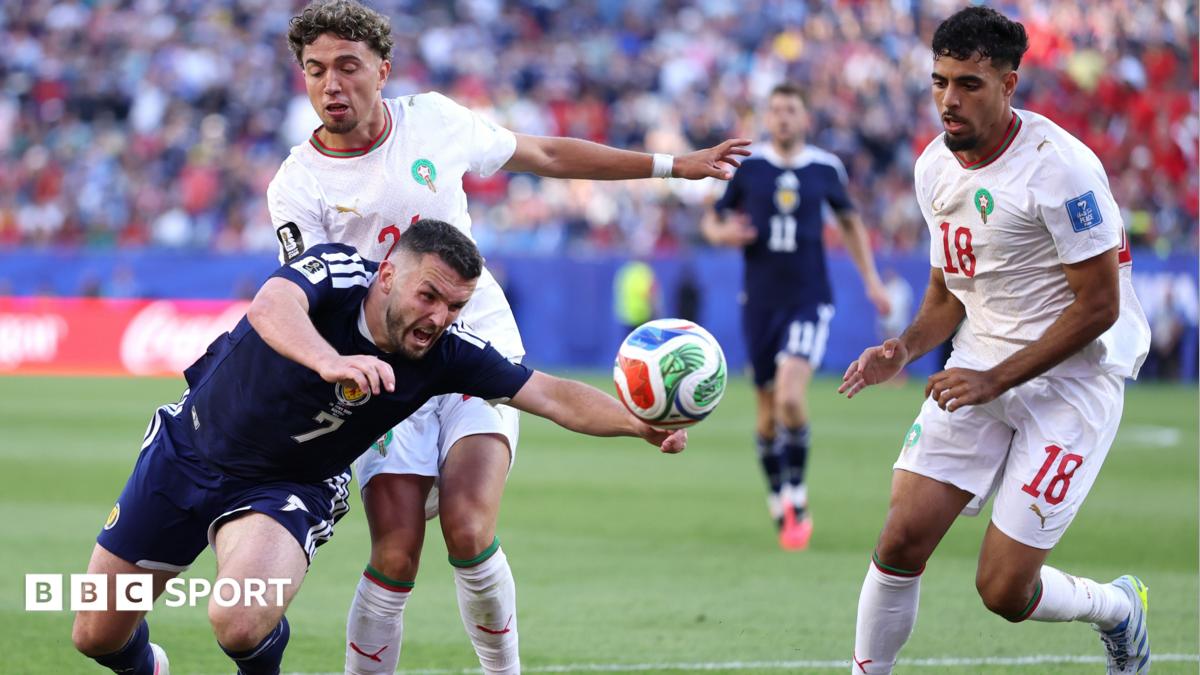
John McGinn’s penalty appeal against Morocco has become a talking point not just because of the challenge itself, but because of the explanation reportedly given by referee Ilgiz Tantashev. According to Stephen McGinn, the Scotland midfielder was told the decision went against him because the ball was already heading out of play when he was challenged by Neil el Aynaoui.
That detail matters because it shifts the discussion away from a simple yes-or-no penalty debate and into the wider interpretation of advantage, control and whether an attacking move is still alive when contact is made. For supporters, those are the kinds of marginal calls that can define a tournament moment, especially when Scotland are looking for every possible edge on the international stage.
Why the explanation matters
Penalty decisions are often judged in isolation, but referees frequently weigh up the full context of the incident. If the ball is already drifting out of play, an official may view the attacking phase as effectively over, even if contact has occurred. That appears to be the reasoning Stephen McGinn relayed from the conversation between the referee and John McGinn.
For Scotland fans, the frustration is obvious. McGinn is one of the team’s most influential midfielders, a player whose energy, timing and late runs into the box can change the rhythm of a match. When he is denied what looks like a strong claim, it naturally fuels debate about consistency and the fine margins that separate progress from disappointment in major international football.
What it means for Scotland
Beyond the immediate controversy, the incident is another reminder of how small details can shape Scotland’s tournament narrative. In knockout-style competition, or even in tightly contested group matches, one refereeing call can alter momentum, affect confidence and force a team to chase a game in a different way.
There is also a broader tactical lesson. Teams that rely on wide play, second balls and box entries know that refereeing interpretations can influence how aggressively they attack the byline. If officials are inclined to see a move as dead once the ball is heading out, attackers may need to be even more decisive in those final moments.
For now, the key fact is the explanation attributed to Tantashev: the challenge on McGinn was not punished because the ball was considered to be going out of play. Whether supporters agree with that reading or not, it is the kind of decision that will be revisited whenever Scotland’s tournament story is discussed.
Source note: This article was prepared using publicly available information from BBC Sport and expanded with editorial context.
Share this content: