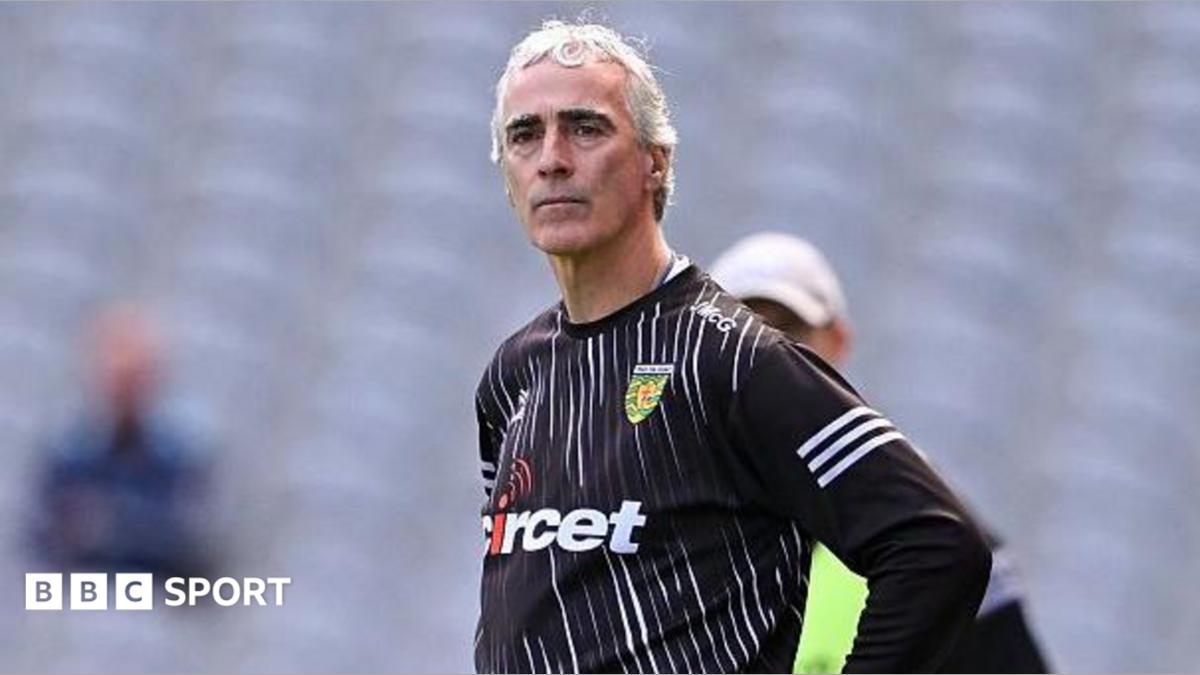
Donegal’s All-Ireland Senior Football Championship campaign came to a painful end at Croke Park, where Dublin edged them out after extra time in a result that underlined how fine the margins can be at this stage of the season. For Jim McGuinness, the verdict was blunt: his side “didn’t do enough”.
The Donegal manager’s assessment points to more than a single missed chance or a late lapse. In championship football, especially in knockout matches that stretch into extra time, consistency across the full contest is often the difference between progression and elimination. Donegal were close enough to force the game beyond normal time, but not consistent enough to finish the job against a Dublin side that found a way through when it mattered most.
What the defeat means for Donegal
The immediate consequence is simple: Donegal’s season is over. That makes the disappointment sharper, because championship exits are judged not only by the result but by the sense of whether a team has maximised its opportunities. McGuinness’ comments suggest a frustration that Donegal were not able to sustain the level required for the full duration of the tie.
For supporters, the loss will sting because extra-time defeats often leave the feeling that the contest was there to be won. Yet the broader lesson is familiar in elite Gaelic football: strong spells are not enough if they are not backed by control, discipline and composure across all four quarters and beyond. Donegal will now have to reflect on where the performance drifted and how they can turn competitive moments into winning ones next time out.
Dublin keep their championship momentum
For Dublin, the victory keeps their championship alive and sends them into Monday’s quarter-final draw. That matters not just as a result, but as a sign that they continue to possess the resilience and game management that have long defined their best championship runs. Winning an extra-time contest at Croke Park is rarely straightforward, and Dublin’s ability to close it out will strengthen belief inside the camp.
From a tactical perspective, the outcome also reinforces a central truth of modern championship football: teams that can stay composed when the game becomes fragmented, physical and emotionally charged usually give themselves the best chance of advancing. Donegal were left to rue a lack of consistency; Dublin, by contrast, found enough control at the decisive moments to survive and move on.
McGuinness’ post-match message was not about excuses. It was a candid acknowledgement that Donegal fell short of the standard required to keep their season alive. For a county with ambitions of going deep in the championship, that honesty may be the starting point for the next rebuild.
Source note: This article was prepared using publicly available information from BBC Sport and expanded with editorial context.
Share this content: