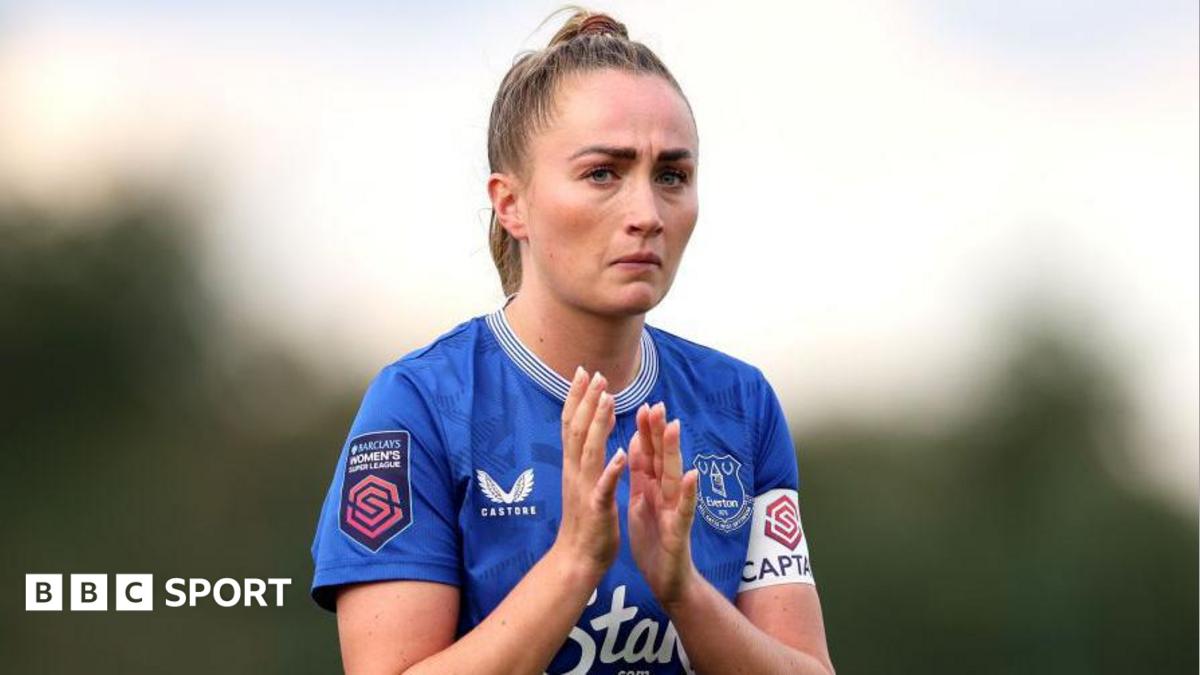
Everton have secured a timely piece of continuity by extending captain Megan Finnigan’s contract for another year. The move keeps one of the club’s most recognisable leaders tied to the Women’s Super League side and underlines the value Everton place on stability at a time when squad planning matters as much as results.
Finnigan’s extension is important not only because she wears the armband, but because captains in the women’s game often carry a broader role than simple on-pitch leadership. They are reference points in dressing rooms, standards-setters in training and, in a season where margins can be tight, a reassuring presence for younger players and supporters alike. Everton’s decision suggests the club want to preserve that structure rather than face a leadership reset.
Why this matters for Everton
For Everton, keeping a captain in place is about more than sentiment. It signals that the club sees value in continuity while building toward the next phase of its WSL campaign. In a league where cohesion can separate mid-table security from a difficult season, retaining a trusted figure can help maintain tactical discipline and dressing-room clarity.
Finnigan’s presence should also help Everton manage the demands of a league that is increasingly competitive. The WSL has become a division where organisation, set-piece reliability and game management are often decisive, and experienced players are central to all three. A captain who already understands the club’s expectations can be especially useful when performances need steadying or when younger teammates are being integrated into the side.
What supporters can take from the deal
For Everton supporters, the extension offers a familiar positive: a club captain staying on board rather than becoming a summer uncertainty. In transfer windows, fans often focus on arrivals and departures, but retaining a leader can be just as significant, particularly when a team is trying to protect its identity and avoid unnecessary turnover.
There is also a broader message in the timing. A one-year extension keeps options open for both player and club, allowing Everton to reassess after another season while ensuring the team does not lose a key figure in the short term. That balance between flexibility and stability is often how clubs manage the modern women’s game, where contracts and squad planning can shape momentum as much as matchday form.
BBC Sport reported the extension, and while the announcement is straightforward, the footballing significance is clear: Everton have kept hold of a captain who represents continuity, leadership and familiarity at a crucial level of the squad.
Source note: This article was prepared using publicly available information from BBC Sport and expanded with editorial context.
Share this content: