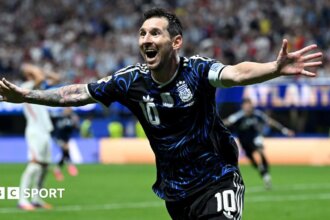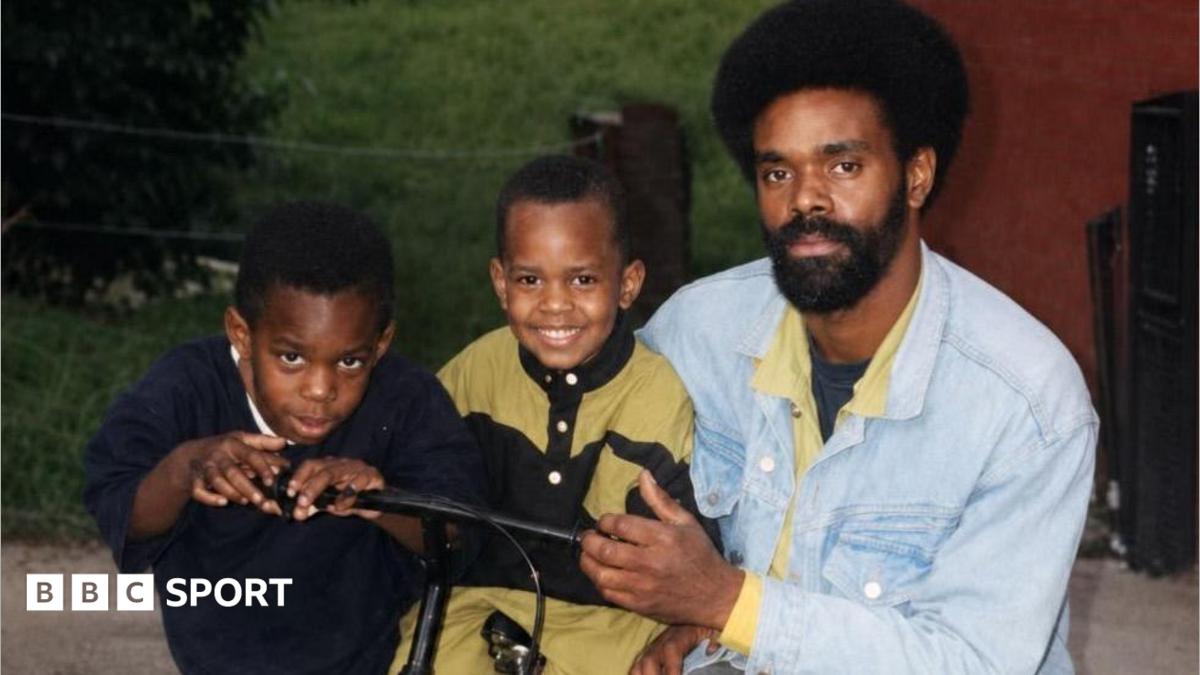
Micah Richards has paid an emotional tribute to his father Lincoln, who died shortly before the former England defender went on air for BBC coverage of the World Cup semi-final defeat to Argentina. The timing adds a deeply personal layer to a night already defined by pressure, disappointment and the scrutiny that comes with major tournament broadcasting.
Richards is one of the most recognisable voices in BBC football coverage, and the news places his work in a different light for supporters who have followed his transition from Premier League defender to pundit. In football media, the public often sees the polished analysis and the live broadcast moments; what this story underlines is the human reality behind them. Richards was not only preparing to discuss a high-stakes England match, but doing so while processing a family bereavement.
A personal loss behind a major England night
England’s semi-final exit to Argentina was one of the defining moments of the tournament, and BBC coverage of such matches carries a wide audience and intense attention. Richards’ tribute to his father gives context to the composure and professionalism expected of pundits in those situations. For viewers, it is a reminder that football coverage is shaped by people dealing with the same life events as anyone else, even while they are on live television.
Lincoln Richards was described by his son as his biggest fan, a detail that speaks to the family support that often sits behind a player’s or pundit’s career. That support matters in football more than it is sometimes acknowledged. From academy days through to the top level, and then into broadcasting, the backing of family can be central to a career built in the public eye.
Why this matters to supporters
For England supporters, the story adds a reflective note to a tournament memory already shaped by disappointment. It also reinforces why Richards has remained such a popular figure: he combines elite-level football experience with an approachable style and a clear connection to the game’s emotional side. That authenticity is part of what has made him a trusted presence on BBC Sport.
While the source does not provide further details about the family or the circumstances beyond Lincoln Richards’ death and the tribute, the significance of the moment is clear. It is a reminder that football’s biggest broadcasts are still carried by people whose lives continue beyond the studio, and that the sport’s emotional weight does not stop when the cameras start rolling.
Source note: This article was prepared using publicly available information from BBC Sport and expanded with editorial context.
Share this content: